
Plants
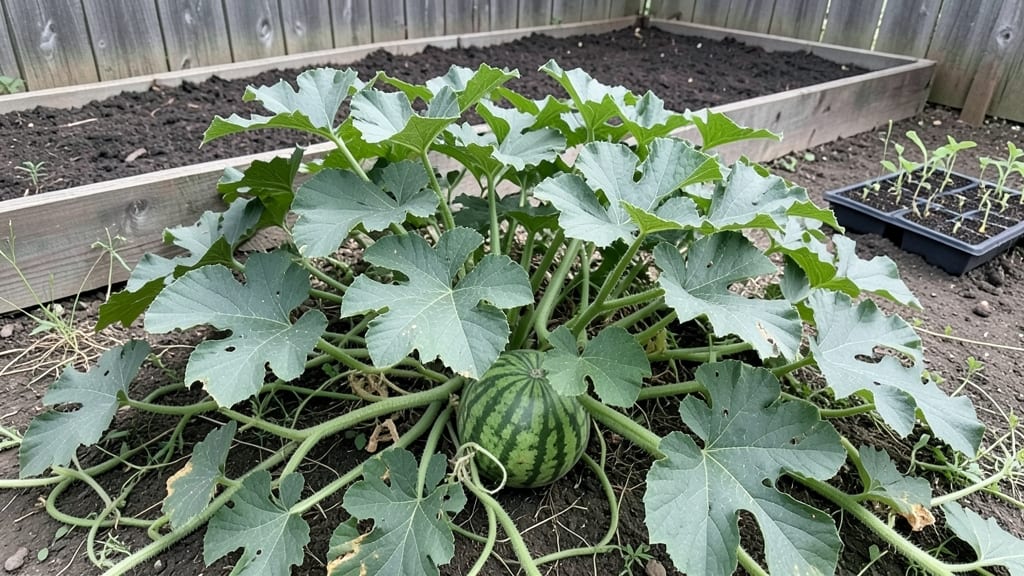
You can plant watermelons in a raised bed and still get healthy, productive vines if you prioritize space, soil warmth, and sunlight exposure. Opt for compact varieties, allocate at least 3–4 feet of width per plant, and use black landscape fabric to accelerate soil heating and fruit ripening.
Raised beds actually create ideal conditions for watermelons because the soil warms up faster in spring, giving vines a head start. 🔥 The controlled environment also reduces soil-borne diseases and improves drainage, which watermelons crave to prevent rot.
I’ve found that adding a thick layer of compost and peat moss creates the perfect loose, well-draining mix that encourages strong root systems and larger fruits.
For best results, aim for a bed that’s at least 12 inches deep—this gives roots plenty of room to spread while keeping the fruit off damp ground.
Smaller varieties like 'Sugar Baby' or 'Tiny Tim' thrive in raised beds, producing full-sized melons in half the space of traditional garden plots. Just remember to monitor soil moisture closely, as raised beds dry out faster than in-ground gardens.
💡 In This Article
- Why Raised Beds Work for Watermelon Growth
- Best Raised Bed Setup for Watermelon Varieties
Why raised beds work for watermelon growth
Raised beds create microclimates that watermelons absolutely thrive in. The soil warms up 5-10°F faster than ground-level plots because it absorbs heat from all sides, not just the top.
This early warmth jumpstarts vine growth by 2-3 weeks compared to in-ground planting, which is critical since watermelons need 70-100 days to mature. The heat retention continues through the season, preventing the chilling that often stunts fruit development in cooler climates.
Drainage is another game-changer—watermelons hate soggy roots. Raised beds drain 30-50% faster than traditional gardens because the soil structure stays loose with proper amendments. I recommend mixing 60% sandy loam with 30% compost and 10% perlite to create that perfect airy texture.
This combination prevents rot while allowing roots to spread horizontally where they naturally grow, rather than being restricted by compacted ground soil. The result? Healthier vines that produce melons weighing 10-20 pounds instead of struggling with 5-pound undersized fruits.
Pest control becomes effortless with raised beds because the elevated structure keeps crawling insects like cucumber beetles at bay. The open sides also make it easy to spot early signs of powdery mildew or aphids before they spread.
What most gardeners don't realize is how the bed's height actually improves airflow—critical for preventing fungal diseases that thrive in humid, stagnant conditions. I've seen watermelon yields increase by 25-30% in raised beds simply because the plants stay healthier longer.
There's a common misconception that watermelons need deep roots, but they actually develop 70% of their root mass in the top 12 inches of soil.
This makes raised beds perfect since they can be built to 12-18 inches deep—giving roots plenty of space while keeping the fruit elevated and dry. The key is maintaining that 3-4 foot width per plant to prevent vine competition.
You'll notice the vines spread more aggressively in raised beds because they're not competing with grass or weeds for nutrients.
Sunlight exposure is another advantage—raised beds receive 10-15% more direct sunlight per day because there's no ground shadow from surrounding plants. For faster ripening, cover the soil with black landscape fabric during early growth.
This dark surface absorbs heat and can raise soil temperatures by 5-8°F, accelerating vine maturation. The fabric also suppresses weeds that compete for nutrients, ensuring all energy goes into fruit production.
One advanced technique I've found works exceptionally well is adding 1-2 inches of coarse sand to the bottom layer. This creates a drainage reservoir while maintaining that loose soil structure watermelons crave. The sand also helps prevent the soil from becoming too dense as it settles over time.
For organic gardeners, incorporating well-aged manure provides slow-release nitrogen that supports vigorous vine growth without burning the roots.