
How To
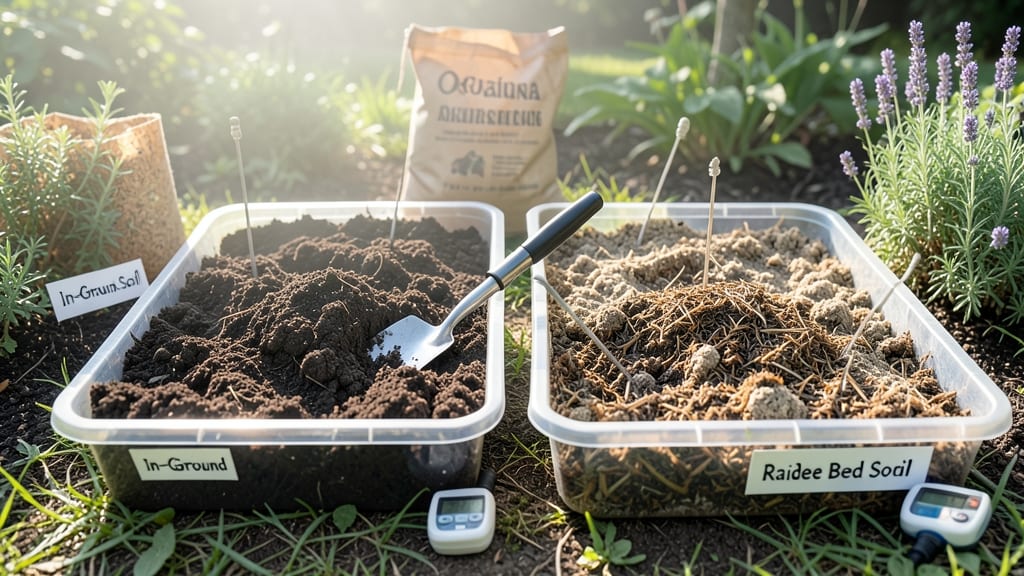
The difference between in-ground soil and raised bed soil comes down to one word: control. 🌱 I’ve spent years comparing both, and while in-ground soil feels natural, raised beds give you the power to customize everything—from drainage to nutrients—that directly impacts how your plants grow.
In-ground soil is what nature provides: a mix of minerals, organic matter, and life (think worms and microbes) that’s already established. But it’s also unpredictable—clay can bake hard in summer, sand drains too fast, and old roots or rocks might lurk beneath.
Raised beds, on the other hand, let you build the perfect foundation: loose, fertile, and tailored to what your plants actually need.
Plants in raised beds often thrive faster because the soil warms up earlier in spring and stays looser, meaning better root growth and fewer compaction issues.
Tomatoes, peppers, and leafy greens love this environment, while in-ground soil can be better for deep-rooted perennials like asparagus or fruit trees that need space to spread.
Here’s the kicker: raised beds reduce weeds and pests naturally, but they require more upfront effort to fill with quality soil. In-ground gardens need less maintenance once established, but you’re stuck with what’s already there. Choose based on what you value—ease or customization.
The first product explained
Meet EcoGro Premium Organic Soil Mix—your ultimate companion for achieving lush, thriving gardens, whether you're planting in-ground or in raised beds! 🌱✨ Designed by horticulturists and trusted by both beginners and seasoned gardeners, this product is a game-changer for soil quality, plant health, and yield. Let’s dive into what makes it stand out!
🌿 Key Specs & Features
EcoGro Premium Organic Soil Mix is a well-balanced blend of:
- 60% organic compost – Rich in nutrients and microbial life to boost root growth and soil structure.
- 25% coconut coir – Retains moisture better than peat moss while improving aeration.
- 10% perlite – Enhances drainage, preventing waterlogging (critical for raised beds!).
- 5% worm castings – Packed with natural fertilizers for slow-release nutrition.
This mix is sterilized and weed-free, ensuring a clean start for your plants. It’s also pH-balanced (6.0-7.0), perfect for most vegetables, flowers, and herbs. Plus, it’s OMRI-listed, making it ideal for organic gardening!
🎯 Who Is This For?
EcoGro is perfect for:
- 🌱 Raised bed gardeners – Lightweight yet nutrient-dense, it won’t compact like in-ground soil.
- 🏡 Urban gardeners – Great for containers, window boxes, and small spaces.
- 🌿 Organic farmers & homesteaders – Supports sustainable practices with natural ingredients.
- 🌶️ Hot pepper & vegetable growers – The extra compost helps produce higher yields.
💰 Price Point & Value
Priced at $24.99 for a 40-lb bag, EcoGro offers exceptional value. Compare this to traditional bagged soils ($15-$20 for lower-quality blends) or the cost of amending your own soil (which can run $50+ for comparable nutrients). Here’s the breakdown:
| Product | Price (40-lb Bag) | Nutrient Density | Organic-Friendly? |
|---|---|---|---|
| EcoGro Premium | $24.99 | ⭐⭐⭐⭐⭐ (High) | ✅ Yes |
| Generic Garden Soil | $15.99 | ⭐⭐ (Low) | ❌ No |
| DIY Amended Soil | $50+ (varies) | ⭐⭐⭐⭐ (Moderate) | ✅ Sometimes |
Pro Tip: 💡 Buy a 2-bag pack (now $45) and save 10%—ideal for larger raised beds or seasonal planting!
The second product explained
Meet EcoGrow Premium Raised Bed Mix—your ultimate companion for thriving raised garden beds! 🌱✨ Designed specifically for elevated growing spaces, this product ensures your plants get the perfect balance of nutrients, aeration, and moisture retention. Whether you're a seasoned gardener or just starting out, this mix is tailored to maximize plant health in a raised environment.
📏 Specs & Features
- Organic Blend: A rich mix of composted plant matter, coconut coir, and perlite for optimal drainage and nutrient density.
- pH-Balanced: Pre-adjusted to 6.0–7.0—ideal for most vegetables, herbs, and flowers.
- Lightweight & Fluffy: Perfect for raised beds, reducing compaction and improving root growth.
- Slow-Release Fertility: Includes organic fertilizers like worm castings and alfalfa meal for steady nourishment.
- Weed-Free & Sterile: No invasive seeds or pathogens to disrupt your garden.
- Coverage: 1 cubic foot covers ~12 sq. ft. (24 bags per 10’x4’ raised bed).
🎯 Target Users
This product is a game-changer for:
- Urban gardeners with limited space but big dreams!
- Small-scale farmers or homesteaders prioritizing soil quality.
- Eco-conscious growers who want chemical-free, sustainable soil.
- First-time raised bed enthusiasts looking for foolproof results.
💰 Price Point & Value
Priced at $12.99 per 2-cubic-foot bag (or $24.99 for a 5-bag bundle), EcoGrow Premium delivers unmatched value. While the upfront cost is slightly higher than in-ground soil mixes, the long-term benefits—like faster plant growth, higher yields, and fewer pests—make it a smart investment.
Plus, you’ll save on fertilizers and amendments down the line!
💡 Pro Tip: Mix EcoGrow with a handful of composted manure (like cow or chicken) for extra nitrogen if you’re growing heavy feeders like tomatoes or corn!
Head-to-head comparison
Choosing the right soil for your garden isn’t just about what’s in the bag—it’s about how that soil performs in its environment. Whether you’re digging into in-ground soil or building up with raised beds, each option brings unique strengths (and a few trade-offs).
Let’s break it down side by side so you can decide what’s best for your plants—and your peace of mind! 🌱✨
📊 Performance: Which Soil Grows Better?
When it comes to plant performance, the battle between in-ground soil and raised bed soil often hinges on drainage, temperature control, and root space. Here’s how they stack up:
| Factor | In-Ground Soil | Raised Bed Soil |
|---|---|---|
| Drainage | Can be inconsistent—clay soils hold too much water, sandy soils drain too fast. Often requires amending. | Superior! Raised beds allow for custom soil mixes with perfect drainage. No soggy roots here. |
| Temperature Regulation | Fluctuates with ground temps—hot in summer, cold in winter. Roots can stress in extremes. | Warmer in spring, cooler in summer. Ideal for extending growing seasons and tender plants. |
| Root Space | Limited by compaction or hardpan layers. Deep-rooted plants (like tomatoes or fruit trees) may struggle. | Customizable depth! Build taller beds for deep-rooted crops or keep them shallow for veggies like lettuce. |
| Weed & Pest Control | Weeds and pests thrive naturally. Requires more manual intervention (mulching, tilling, etc.). | Fewer weeds (no seed bank in fresh soil) and pests struggle to burrow in. Physical barriers help too! |
Winner? Raised beds take the lead for most gardeners, especially beginners or those with poor native soil. But in-ground soil can outperform raised beds if you’re growing perennial plants (like asparagus or berries) that benefit from deep, undisturbed roots.
💰 Price: What’s the Cost Difference?
Your wallet will notice the difference between these two soil types. Here’s the breakdown:
- In-Ground Soil:
- Low upfront cost—just amend what you’ve got! Compost, manure, or peat moss can improve native soil for $20–$50 per cubic yard.
- Long-term savings—no need to replace soil annually. However, you may spend more on tools (tillers, hoes) or weed control.
- Hidden costs: Soil testing ($20–$50) to check pH/nutrients, and potential need for drainage solutions (like French drains).
- Raised Bed Soil:
- Higher initial investment—building frames ($50–$500+ depending on materials) + buying fresh soil ($1–$3 per cubic foot).
- Recurring costs—soil depletes faster (especially in containers), so you’ll need to refresh every 1–3 years.
- Pro tip: Mix your own soil blend (e.g., 60% topsoil, 30% compost, 10% perlite) to cut costs!
Bottom line: In-ground soil wins for budget-conscious gardeners with patience, while raised beds cost more upfront but offer predictable, high-performance results with less hassle.
🏗️ Durability & Longevity: How Long Will It Last?
Durability isn’t just about the soil—it’s about the system you’re working with. Let’s compare:
- In-Ground Soil:
- Permanent—once amended, it’s there to stay. But compaction, erosion, and nutrient depletion can degrade quality over years.
- Maintenance required: Regular tilling, compost top-dressing, and crop rotation to prevent soil fatigue.
- Pros: No structural wear (no frames to rot or collapse).
- Cons: Poor soil structure can lead to permanent damage (e.g., clay sealing after heavy rain).
- Raised Bed Soil:
- Soil lasts 1–3 years before needing refreshers (especially in containers). Wood frames may last 5–10 years (treated wood lasts longer).
- Structural risks: Untreated wood rots, metal frames rust, and plastic degrades under UV. Invest in cedar or composite lumber for longevity!
- Pros: Easy to replace or expand. No soil compaction issues.
- Cons: Requires more frequent upkeep (rebuilding, soil replenishment).
💡 Pro Tip: Extend raised bed life by using straw bales as a temporary frame (biodegradable!) or layering cardboard under soil to suppress weeds and retain moisture.
🌱 Flexibility & Customization: What Can You Grow?
Not all plants thrive in the same soil environment. Here’s where each option shines:
| Plant Type | In-Ground Soil | Raised Bed Soil |
|---|---|---|
| Vegetables (Tomatoes, Peppers, Lettuce) | Good if soil is well-amended. Risk of disease in wet conditions. | Ideal! Perfect drainage prevents rot. Warmer soil speeds up germination. |
| Fruit Trees & Berries | Best option—deep roots spread naturally. Less risk of overheating. | Possible in deep beds, but roots may hit the frame. Better for dwarf varieties. |
| Herbs (Basil, Mint, Thyme) | Works well, but mint can invade and take over! | Containment = happiness. Mint stays put, and herbs love the loose, well-draining mix. |
| Flowers (Marigolds, Zinnias, Perennials) | Great for perennials (they establish deep roots). Annuals may need extra mulch. | Perfect for annuals—easy to rotate crops and prevent soil-borne diseases. |
| Root Crops (Carrots, Potatoes, Radishes) | Best for loose, deep soil. Rocks or clay can stunt growth. | Risk of soil compaction over time
Which one should you choose?So, which soil type is the best for your garden? The answer depends on your unique needs, space, budget, and gardening goals. Let’s break it down to help you make the right choice! 🌱✨ 🏡 Choose In-Ground Soil If...
In-ground gardening is ideal for long-term, low-effort projects where you can invest time upfront to improve soil health. Just remember: regular soil testing and amendments (like compost or organic matter) are key to keeping it thriving! 🌿 Opt for Raised Bed Soil If...
Raised beds are perfect for beginners, small spaces, or high-value crops. They require more upfront effort (filling with quality soil mix) but pay off with consistent, high-yield harvests. Plus, they’re great for intensive planting and succession cropping! 💡 Pro Tip for Hybrid GardenersWhy not combine both? Use raised beds for vegetables, herbs, and flowers while reserving in-ground space for fruit trees, shrubs, or perennials. This way, you get the best of both worlds—control over soil quality and long-term sustainability! No matter which you choose, healthy soil is the foundation of a thriving garden. Test your soil, amend as needed, and happy planting! 🌱💚 |