
Tools
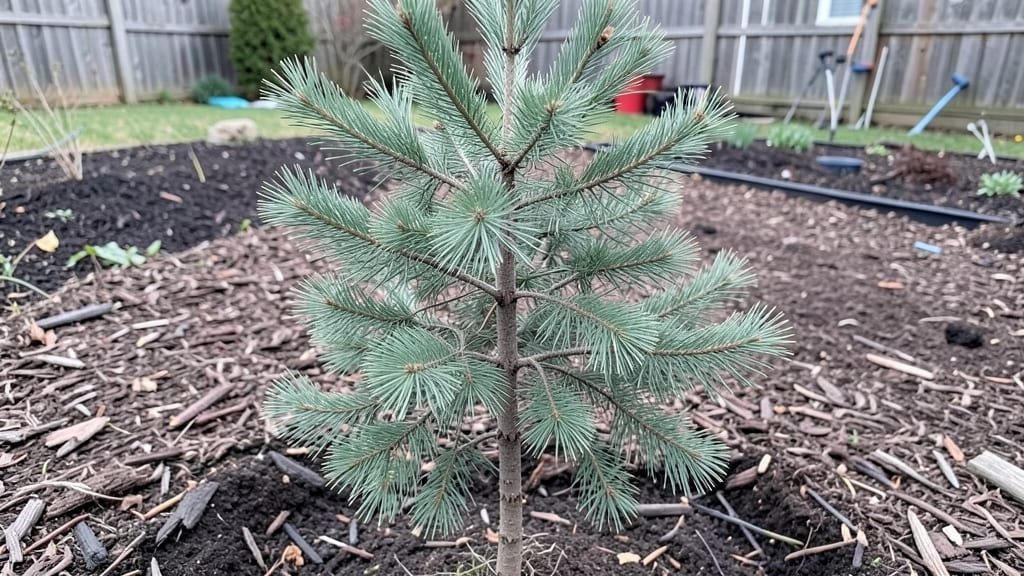
Douglas fir trees for garden beds create striking visual interest year-round with their textured bark and aromatic foliage, performing well in varied light conditions and poor soils while acting as natural weed barriers.
These trees excel as foundational plants because their slow-to-moderate growth habit makes them ideal for long-term garden structure without overwhelming smaller beds. 🌲 The fragrant needles release a subtle pine scent that deters pests while providing shade for understory plants, and their deep root systems improve soil aeration over time.
For best results, space them 15-20 feet apart in larger beds or use dwarf varieties for tighter spaces.
Douglas firs also serve as excellent wildlife habitat, attracting birds and beneficial insects while their evergreen presence maintains visual appeal during winter months when many other plants have gone dormant.
The key to their success lies in their adaptability—whether you're creating a formal garden layout or a natural woodland edge, these trees deliver both aesthetic and functional benefits with minimal maintenance once established.
💡 In This Article
- Douglas Fir Growth Habits and Garden Bed Adaptations
- Planting and Maintaining Douglas Fir in Landscaping
Douglas fir growth habits and garden bed adaptations
Douglas firs grow with a pyramidal shape that matures into a broad, conical canopy, reaching heights of 60-100 feet with a spread of 20-30 feet at maturity. Their growth rate is moderate—about 1-2 feet per year—which makes them excellent long-term structural plants for garden beds.
The key to their adaptability lies in their deep taproot system, which can extend 6-10 feet below the surface, allowing them to access moisture and nutrients in dry or nutrient-poor soils. This root structure also provides natural erosion control and improves soil aeration over time. 🌲
Their rugged, cinnamon-colored bark develops deep vertical grooves as they age, adding visual texture to garden beds. The needles, 1-inch long and soft to the touch, grow in spirals around the branches and release a pleasant pine scent when crushed.
This fragrance isn't just pleasant—it acts as a natural pest deterrent, keeping insects like aphids and spider mites at bay. Douglas firs also produce 1- to 2-inch-long cones that add seasonal interest, though they're not as showy as some ornamental conifers.
The combination of these features makes them ideal for creating layered garden designs.
One of their biggest advantages in garden beds is their drought tolerance once established. Mature trees can survive with minimal supplemental watering, making them perfect for xeriscaping or low-maintenance landscapes. They also thrive in partial shade to full sun, adapting to light conditions that would stress many other trees.
This flexibility means they can be planted along property lines, in woodland gardens, or even as focal points in sunny meadows. Their ability to suppress weeds naturally comes from their dense canopy, which blocks sunlight from reaching the ground, reducing competition for other plants. 🌿
When planning spacing for garden beds, consider the tree's mature size. In larger landscapes, plant Douglas firs 20-30 feet apart to allow their canopies to fill out without crowding.
For smaller beds or hedgerows, use dwarf varieties like 'Glauca' or 'Compacta,' which stay under 10 feet tall and can be spaced 5-10 feet apart. Pruning is minimal—focus on removing dead or crossing branches in late winter or early spring to maintain their natural shape.
Avoid heavy pruning, as these trees respond best to minimal intervention.
Douglas firs also play a crucial role in wildlife ecosystems. Their dense foliage provides shelter for birds, squirrels, and small mammals, while the seeds in their cones attract a variety of wildlife.
The evergreen nature of the trees ensures food and habitat are available year-round, making them a valuable addition to wildlife-friendly garden designs. Additionally, their shade helps create microclimates that support understory plants, which can thrive in the cooler, more humid conditions beneath the canopy. 🦉
For gardeners looking to maximize their use, Douglas firs can be paired with shade-tolerant perennials like ferns, hostas, or wild ginger. Their deep roots also make them excellent companions for surface-rooted plants that might struggle in drier conditions.
Whether used as a solitary specimen or in groups, these trees bring year-round structure, fragrance, and ecological benefits to any garden bed. Their slow growth ensures they won't outpace smaller plants, making them a reliable choice for long-term landscaping.