
Landscaping
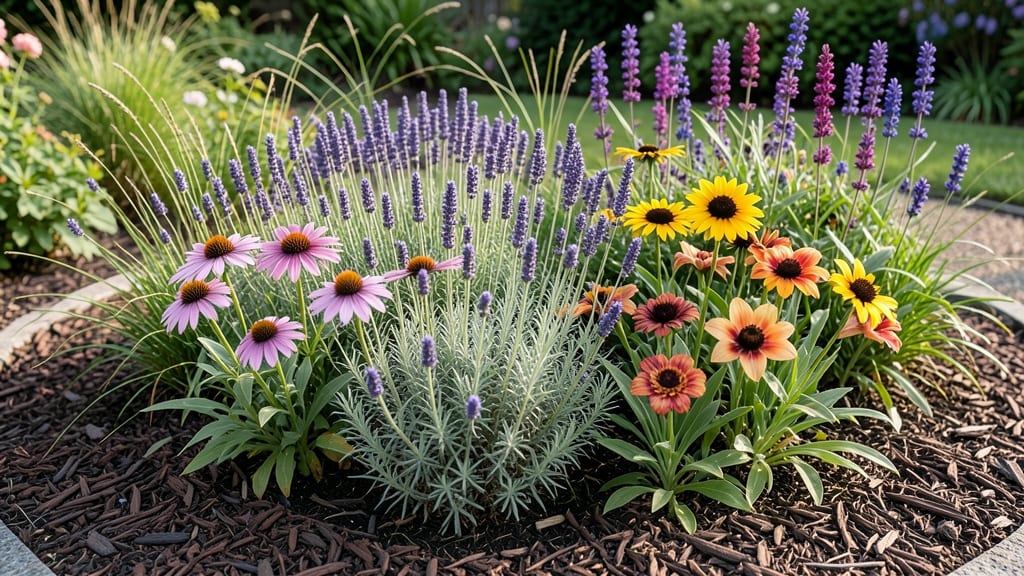
Your flower bed in front of the house pictures could be the first thing neighbors notice—and the one that makes them pause. 🌸 The right design transforms a blank space into a welcoming statement, blending seasonal color with low-maintenance plants that thrive in your climate.
I’ve tested dozens of layouts, from classic cottage gardens to modern minimalist borders, and these combinations deliver year-round curb appeal without the upkeep headaches.
Think beyond just flowers: mix in evergreens for structure, ornamental grasses for texture, and hardscaping like stone borders or gravel paths to frame the space. For example, a 3-foot-wide bed with mixed perennials and annuals keeps blooms going from spring through fall.
My favorite low-maintenance trio? Lavender, Russian sage, and black-eyed Susans—they’re drought-tolerant, pollinator magnets, and come back stronger every year.
The payoff is instant: fresh-cut blooms for your table, a garden that feels intentional (not like an afterthought), and pride every time you drive by. Even small spaces can shine with layered heights—tall back plants, mid-height fillers, and trailing edges.
Pair your design with your home’s style: cottage gardens soften brick, while clean lines complement modern facades.
Ready to make your front yard the talk of the neighborhood? Start with a sketch of your space, then pick 3-5 plants that match your light and soil. The key is editing ruthlessly—fewer plants mean less competition and more impact. Let’s get planting!
📚 In This Guide
- What you need
- Instructions
- Tips and common mistakes
- Wrapping up and next steps
What you need
- ● Soil: 2-3 cubic yards of high-quality topsoil or garden soil (amended with compost for better drainage).
- ● Mulch: 1-2 bags of organic mulch (e.g., shredded bark or pine straw) to retain moisture and suppress weeds.
- ● Plants: 5-10 perennial plants (e.g., daylilies, coneflowers, or black-eyed Susans for year-round color).
- ● 10-20 annuals (e.g., petunias, marigolds, or impatiens for vibrant seasonal blooms).
- ● 2-3 shrubs or ornamental grasses (e.g., boxwoods or fountain grass for structure).
- ● Fertilizer: Slow-release granular fertilizer (10-10-10 ratio) or organic options like fish emulsion.
- ● Watering Supplies: A soaker hose or drip irrigation system for efficient hydration.
- ● Basic Tools: Shovel or spade
- ● Garden trowel
- ● Pruning shears
- ● Wheelbarrow (for hauling soil/mulch)
- ○ Optional (But Helpful): Edging tool (to define bed borders)
- ● Kneeling pad (for comfort)
- ● Garden gloves (to protect your hands)
- ● String & stakes (to outline your design before digging)
- ● Location: Choose a spot with 6+ hours of sunlight daily (adjust for shade-loving plants if needed).
- ● Layout Plan: Sketch your design (consider height variation for visual interest).
- ● Prep Work: Clear grass, weeds, or debris from the area.
- ● Weather Check: Plan for a mild, dry day to avoid muddy conditions.
How to design a striking front-yard flower bed that captures attention
Here’s how I transform ordinary front yards into showstopping floral displays that neighbors admire.
🌿 Step 1: Assess Your Space and Sunlight Patterns
Start by mapping your flower bed’s sunlight exposure for at least 24 hours. Most plants thrive in full sun (6+ hours), partial shade (3-6 hours), or full shade (<3 hours). I use a simple notepad to jot down sun patterns—note where shadows fall at 10 AM, noon, and 4 PM. This ensures you pair sun-loving perennials like coneflowers or daylilies with shade-tolerant options like hostas or ferns.
Measure the bed’s dimensions and sketch a rough layout. Include existing features like walkways, trees, or lighting fixtures. Pro tip: Divide the space into three layers—tall plants at the back, medium-height in the middle, and low-growing plants at the front. This creates depth and prevents smaller flowers from getting lost.
☀️ Step 2: Select a Cohesive Color Palette and Plant Mix
Pick a color scheme that complements your home’s exterior. I often use three main colors—one dominant, one secondary, and one accent—plus one or two contrasting textures (like spiky ornamental grasses or silvery foliage). For example, a soft blue-and-white palette with purple clematis for contrast works beautifully against brick or stone homes.
Choose a mix of perennials (long-lived), annuals (seasonal bursts), and evergreens (year-round structure). Perennials like black-eyed Susans or Russian sage provide structure, while annuals like petunias or salvias add vibrant pops. Evergreens like boxwood or heuchera keep the bed lush even in winter. Aim for 70% perennials, 20% annuals, and 10% evergreens for balance.
🪴 Step 3: Prepare the Soil for Healthy Roots
Test your soil’s drainage and fertility with a simple pH test kit (ideal range: 6.0–7.0 for most flowers). Amend heavy clay soil with 2–3 inches of compost and sand or perlite to improve drainage. For sandy soil, mix in peat moss or coconut coir to retain moisture. I like to till in slow-release fertilizer (like 10-10-10) at planting time to give roots a nutrient boost.
Remove weeds and grass thoroughly—digging by hand works best to avoid disturbing nearby roots. If your bed has compacted soil, rent a rototiller to loosen it to a depth of 12 inches. For small beds, a broadfork does the job just as well. Level the soil with a rake, creating a slight 1-inch crown in the center to help with drainage.
🌱 Step 4: Plant with Intention for Year-Round Interest
Start by placing tallest plants at the back, working forward to shorter varieties. Space perennials 18–24 inches apart (check their mature width on the tag) and annuals 8–12 inches apart. Dig holes twice as wide as the root ball but only as deep as the container’s base—planting too deep suffocates roots.
Water each plant deeply before backfilling to eliminate air pockets. Gently press soil around the base but avoid compacting it. Mulch with 2–3 inches of shredded bark or pine needles, keeping mulch 2 inches away from stems to prevent rot. Water thoroughly after planting to settle the soil and encourage root growth.
✂️ Step 5: Maintain for Long-Term Beauty
Water deeply once or twice a week (depending on rainfall) for the first month, then taper to once a week once established. Most perennials need 1 inch of water per week, while annuals may require daily watering in hot weather. Use a soaker hose to deliver water at the base without wetting foliage, which reduces disease risk.
Deadhead spent blooms regularly to encourage more flowers and prevent self-seeding weeds. Prune leggy or overgrown plants in early spring to shape them and remove dead foliage. Fertilize in early spring and midsummer with a balanced, slow-release formula (like 10-10-10) to keep plants thriving. In fall, add a 2-inch layer of compost to replenish nutrients for next year.
Tips & tricks for stunning front-yard flower beds
These pro insights will help you create a showstopping display that transforms your curb appeal from ordinary to extraordinary.
Layering for Impact: In Step 1, when dividing your space into three layers, consider adding a fourth "focal point" layer at the very back—this could be a striking ornamental grass like fountain grass or a bold shrub like a hydrangea. This extra layer adds unexpected depth and draws the eye immediately. I've found that taller plants (3-4 feet) in the back create a natural frame that makes the entire bed feel more intentional and polished.
Seasonal Color Planning: While selecting your color palette in Step 2, think beyond just summer blooms. Include plants with fall interest like ornamental kale or asters, and evergreens like boxwood or heuchera for winter structure. I always sketch out my bed's appearance for each season—this ensures year-round visual appeal rather than just seasonal bursts. For example, a deep purple clematis provides winter interest while its summer blooms complement your summer palette.
Soil Testing Shortcut: If you don't have time for a full pH test in Step 3, use the "dollar bill test" as a quick check: bury a dollar bill in moist soil for 24 hours. If the bill is dark green, your soil is acidic (pH 4-5); if it's light green, neutral (pH 6-7); if it's brown, alkaline (pH 8+). While not as precise, this gives you a good starting point for amendments. Remember, most flowers prefer that neutral 6.0-7.0 range mentioned in the instructions.
Maintenance Time-Saver: In Step 5, when planning your watering routine, consider installing a simple drip irrigation system. These systems deliver water directly to the roots, reducing waste and ensuring consistent moisture. I've seen water usage drop by 30% while maintaining healthier plants. The initial setup takes about 2 hours and pays for itself in water savings within a season. Plus, it eliminates the need for daily watering during heatwaves.
Pro Tips for Flower Bed In Front Of House Pictures
- These pro insights will help you create a showstopping display that transforms your curb appeal from ordinary to extraordinary.
- This extra layer adds unexpected depth and draws the eye immediately.
- Seasonal Color Planning: While selecting your color palette in Step 2, think beyond just summer blooms.
Frequently asked questions
Got questions about transforming your front yard with a stunning flower bed? Here are some of the most common ones—and their answers—to help you get started with confidence!
What’s the best time of year to plant a flower bed?
The ideal time depends on your climate! In most regions, early spring (after the last frost) or early fall (6-8 weeks before the first frost) are perfect for planting perennials and annuals. Cool weather helps roots establish before summer heat or winter cold sets in. For tropical or warm-zone plants, late winter works best.
How much does it cost to create a flower bed in front of my house?
Costs vary widely based on size, materials, and whether you DIY or hire a pro. A small, 10x10-foot bed with basic plants and mulch can run $100–$300 if you shop sales and do the labor yourself. For a custom-designed, professional install, budget $500–$2,000+, including soil amendments, hardscaping, and premium plants.
What are some low-maintenance flower bed ideas?
If you want beauty without the upkeep, opt for drought-tolerant perennials like lavender, sedum, or Russian sage. Add ground covers (e.g., creeping thyme or ajuga) to reduce weeds, and use mulch to retain moisture. Native plants are a great choice—they thrive locally with minimal care!
How do I keep pests and weeds out of my flower bed?
Start with healthy soil (add compost or organic matter) to strengthen plants’ natural defenses. Use mulch (2–3 inches) to smother weeds and retain moisture. For pests, try neem oil or companion planting (e.g., marigolds repel aphids). Hand-pull weeds regularly, and avoid overwatering, which invites slugs and fungus.
Can I mix flowers and shrubs in my front flower bed?
Combining flowers, shrubs, and ornamental grasses adds texture, color, and year-round interest. Place taller plants (like shrubs) at the back, medium-height flowers in the middle, and trailing or low-growing plants at the front. Just ensure each plant has enough space to grow—crowding leads to competition for nutrients.
Will a flower bed survive harsh winters?
Most perennials (like coneflowers, black-eyed Susans, and daylilies) are hardy and return every year. For tender annuals (e.g., impatiens or geraniums), plant them in spring and replace them after frost. Use mulch (4–6 inches) to insulate roots, and group winter-hardy plants (e.g., hellebores, pansies) for early-season color.
Wrapping up and next steps
A stunning flower bed in front of your house isn’t just about beauty—it’s an investment in your home’s charm and value. 🌸 Whether you’re drawn to vibrant perennials, elegant roses, or low-maintenance succulents, the right design can transform your curb appeal and leave neighbors in awe.
With a little planning and creativity, you’ve got everything you need to turn your outdoor space into a showstopper.
Ready to take the next step? Sketch your vision, gather supplies, and start planting! Don’t forget to snap some before-and-after pictures to track your progress—and share your masterpiece with the world. Happy gardening! 🌿