
Diseases
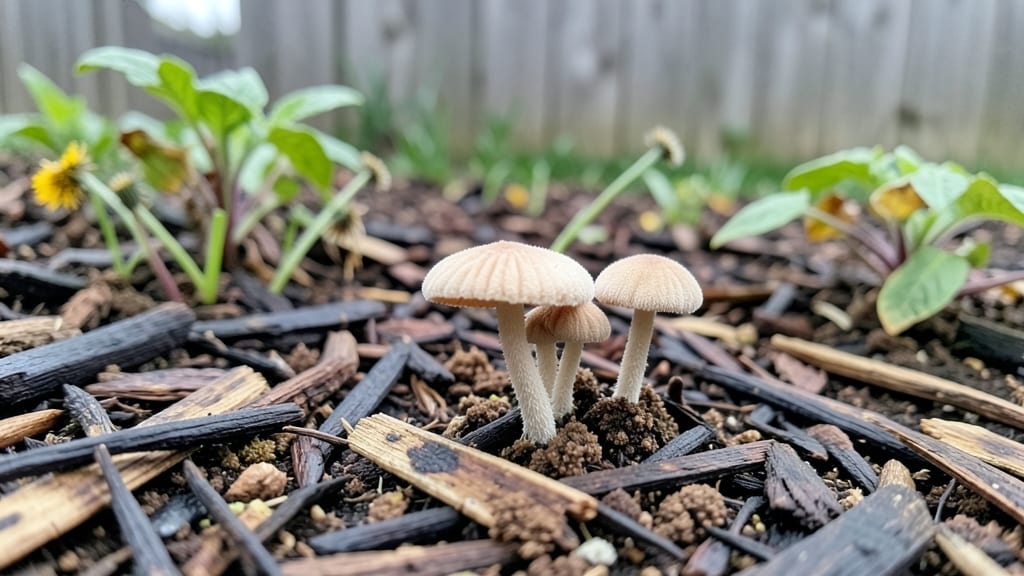
Fungus in mulch beds isn’t just unsightly—it’s a silent thief of soil health and plant roots. 🌱 I’ve seen thick mats of mold turn vibrant gardens into soggy, smelly messes, but there’s always a fix.
The key is understanding whether you’re dealing with harmless mushrooms or something more damaging like pathogenic rot.
Most fungus problems stem from too much moisture, poor airflow, or mulch piled too thick. My first step? Checking drainage and adjusting mulch depth—often, simply spreading it thinner solves half the battle.
Organic mulches like straw or shredded leaves break down differently than pine bark, so choosing the right type matters.
You can revive your beds by improving airflow, adding compost to balance the soil, or even replacing contaminated mulch. The goal isn’t just to kill the fungus but to create conditions where it can’t thrive. With the right approach, your mulch will protect roots instead of rotting them.
This works for vegetable gardens, flower beds, or even shrubbery—just adapt the method to your plants’ needs. Let’s turn that fungus problem into healthier soil and stronger growth.
The Hidden Triggers Behind Fungal Growth
Fungal growth in mulch beds isn’t just a random inconvenience—it’s often the result of specific environmental and management factors that create the perfect breeding ground for pathogens. Understanding these triggers is the first step to preventing unsightly rot and preserving your garden’s health.
Let’s break down the key culprits and why they turn mulch into a fungal hotspot.
Fungi thrive in damp conditions, and mulch beds are prime real estate when moisture levels spike. Here’s why:
- Poor Drainage: If your mulch bed sits in a low-lying area or lacks proper soil drainage, water pools instead of draining away. Fungi like Phytophthora and Pythium love this soggy environment, leading to root rot and mold.
- Overwatering: Mulch should retain some moisture, but too much—especially from frequent or heavy watering—creates a waterlogged layer where fungal spores germinate rapidly.
- Condensation Traps: Thick mulch layers (over 4 inches) can trap heat and moisture, mimicking a greenhouse. This warmth accelerates fungal metabolism, turning mulch into a breeding ground.
💡 Pro Tip: Test your mulch’s moisture by squeezing a handful—if water drips out, it’s too wet. Aim for consistently damp, not soaked.
Mulch is essentially decomposed plant material, but when decomposition speeds up uncontrollably, it fuels fungal explosions. Here’s how:
- Fresh Mulch Overload: Adding large chunks of untreated wood, leaves, or grass clippings introduces high levels of cellulose and lignin—favorite fungal food. These materials break down slowly, creating a feast for decomposers like Armillaria (shroom) and Rhizoctonia.
- Lack of Balance: Mulch needs a mix of browns (carbon-rich, like straw) and greens (nitrogen-rich, like compost) to decompose evenly. Too many greens? Ammonia builds up, stressing plants and inviting fungal invaders.
- Stagnant Mulch: Old, compacted mulch loses air pockets, cutting off oxygen. Anaerobic (oxygen-free) conditions trigger facultative fungi, which shift from harmless decomposers to pathogens.
✨ Actionable Fix: Fluff mulch annually with a rake to aerate it, and top-dress with coarse wood chips (like cedar or pine) to slow decomposition and deter fungal spread.
Fungi spread via spores, which hitchhike on air currents. When mulch beds suffocate, spores linger—and multiply. Key offenders:
- Thick, Undisturbed Layers: Mulch over 3 inches deep blocks airflow, trapping spores near plant roots. Fungi like Botrytis (gray mold) thrive in these stagnant zones.
- Dense Planting: Crowded plants create microclimates with high humidity and limited airflow. Fungal spores drift between leaves and mulch, creating a feedback loop of infection.
- Shady Conditions: Low light reduces evaporation, keeping mulch damp longer. Shady beds are 30% more likely to develop fungal mats than sunny ones.
🌬️ Quick Fix: Space plants 12–18 inches apart, and avoid piling mulch against stems. For shady beds, opt for porous mulches like straw or shredded bark.
Not all mulch is created equal—and neither are gardening tools. Here’s how outside sources introduce fungi:
- Infested Mulch Products: Cheap, untreated wood chips or straw from infected sources (e.g., diseased trees or compost piles) can harbor mycorrhizal networks of pathogenic fungi. Brands that don’t specify "sterilized" or "disease-free" are risky.
- Dirty Tools: Pruners, rakes, and shovels carry fungal spores from other gardens. A single swipe through contaminated mulch can inoculate your bed.
- Animal or Insect Vectors: Slugs, snails, and even ants spread fungal spores as they move through mulch. Their slime trails create moist highways for infection.
🔪 Prevention Checklist:
- Buy mulch from reputable suppliers (ask for heat-treated options).
- Sanitize tools with a 10% bleach solution or rubbing alcohol between uses.
- Remove slugs/snails with beer traps or diatomaceous earth.
By addressing these root causes—moisture, decomposition imbalances, airflow, and contamination—you’ll disrupt the fungal lifecycle before it takes hold. The key is proactive management: monitor, adjust, and intervene early. Your mulch bed’s health (and your plants’) will thank you!
Fixing Fungus Issues in Mulch Beds
Fungus in mulch beds can feel like a stubborn houseguest—once it moves in, it’s hard to evict without the right tools. But don’t stress! With a few targeted fixes and preventive habits, you can restore balance to your garden soil and keep fungal overgrowth at bay.
Below, we’ll map common causes to practical solutions, so you can tackle the problem head-on.
If your mulch is soggy, fungi thrive like they’re on a tropical vacation. Overwatering, poor soil drainage, or thick mulch layers create the perfect damp environment for mold, mushrooms, or slime mold.
How to Fix It:
- 🍳 Fluff It Up: Break up compacted mulch with a rake or garden fork to improve airflow. Aim for 2–3 inches of mulch—thicker layers trap moisture.
- 👨🍳 Redirect Water: Adjust irrigation to water deeply but less frequently. Use drip irrigation or soaker hoses to avoid surface puddles.
- 🥘 Amend the Soil: Mix in compost, perlite, or coarse sand to boost drainage. For heavy clay soils, consider raised beds.
- ⏰ Time It Right: Water in the early morning so excess moisture evaporates by nightfall.
💡 Pro Tip: If mushrooms pop up, remove them at the base (including roots) to prevent regrowth. Avoid composting them—they’ll just reinfect your pile!
Stagnant mulch beds act like a fungal sauna. Dense mulch, overcrowded plants, or lack of spacing block airflow, letting spores spread unchecked.
How to Fix It:
- 🔪 Thin It Out: Prune overgrown plants or weeds that smother mulch. Leave 3–4 inches of space between plants for circulation.
- 🌬️ Mulch Strategically: Use chop-and-drop mulch (e.g., straw or shredded leaves) instead of heavy bark, which can mat down. Never pile mulch against plant stems—keep it 2–3 inches away.
- ✨ Add a Mulch Barrier: Lay down landscape fabric under mulch in high-risk areas (like near fences or dense shrubs) to reduce moisture buildup.
💡 Pro Tip: Pine needles or cedar chips are naturally antifungal and improve airflow—great for problem areas!
Fungi love nitrogen-poor, carbon-rich mulch (like pure wood chips). While this is great for long-term soil health, it can tip the scales toward fungal dominance if not balanced.
How to Fix It:
- 📊 Test Your Soil: Use a DIY soil test kit to check pH and nutrient levels. Aim for a pH of 6.0–7.0—most fungi prefer slightly acidic to neutral soil.
- 💪 Boost Nitrogen: Mix in compost, worm castings, or a balanced fertilizer (10-10-10) to starve fungi of their favorite feast. Avoid high-phosphorus fertilizers, which can encourage fungal growth.
- 🍎 Rotate Mulch Types: Alternate between nitrogen-rich mulches (grass clippings, alfalfa) and carbon-rich (straw, leaves) to keep the soil ecosystem in check.
💡 Pro Tip: Coffee grounds (used sparingly) add nitrogen and have mild antifungal properties—sprinkle them lightly into mulch beds.
Once you’ve fixed the immediate issue, prevent future outbreaks with these habits:
- 🌱 Choose Resistant Plants: Opt for fungus-tolerant varieties (e.g., marigolds, thyme, or lavender) to act as natural deterrents.
- 🌡️ Monitor Moisture: Stick your finger into the mulch—if the top 1–2 inches stay damp for more than 24 hours, it’s too wet.
- 🔄 Refresh Mulch Annually: Replace old mulch with fresh, well-aged material every 6–12 months to break fungal cycles.
- 🐛 Encourage Beneficials: Attract nematodes, beneficial bacteria (like Trichoderma strains), or mycorrhizal fungi by adding compost tea or chicken manure (well-composted).
💡 Pro Tip: Baking soda spray (1 tbsp per gallon of water) can be a last-resort natural fungicide for surface mold—just spray lightly and avoid overuse.
By addressing the root cause—whether it’s moisture, airflow, or nutrition—you’ll not only banish fungus but also revitalize your mulch beds for healthier plants. Start with one fix, monitor progress, and adjust as needed. Your garden will thank you!
Frequently asked questions about mulch fungus
Why does my mulch keep growing mushrooms even after removing them?
Mushrooms often return because their underground mycelium networks stay intact. Simply cutting them off at the surface won’t work—dig out the roots or apply a 2-inch layer of fresh mulch (like pine straw) to smother regrowth. For stubborn cases, sprinkle copper fungicide or wood ash around the area.
Is all mulch fungus harmful to my plants?
Not always! Harmless fungi (like white mold or mushrooms) decompose mulch naturally, but pathogenic types (e.g., Phytophthora or Rhizoctonia) can rot roots. Look for wilting plants, yellowing leaves, or foul smells—these signal dangerous fungus. If in doubt, test soil moisture and adjust mulch depth to 2–3 inches.
Can I use vinegar to kill fungus in mulch?
Yes, but with caution! A 1:1 vinegar-water spray (white vinegar only) can kill surface mold, but it won’t reach deep mycelium. For best results, apply in early morning, avoid plants sensitive to acidity, and reapply after rain. For stubborn cases, mix with 1 tsp baking soda per gallon for extra antifungal power.
How do I choose mulch that resists fungus?
Opt for porous, slow-decomposing mulches like cedar chips, pine straw, or straw—they improve airflow and have natural antifungal properties. Avoid fresh wood chips (they decompose too fast) and never use untreated grass clippings (they mat down and trap moisture). Pre-mulched options labeled "sterilized" are also safer.
Will compost tea help prevent mulch fungus?
Compost tea introduces beneficial microbes (like Trichoderma) that outcompete harmful fungi. Brew it fresh (don’t use store-bought tea) and apply every 2–4 weeks during growing season. For extra protection, mix in 1 cup of coffee grounds per square foot—they add nitrogen and have mild antifungal effects.