
Pests
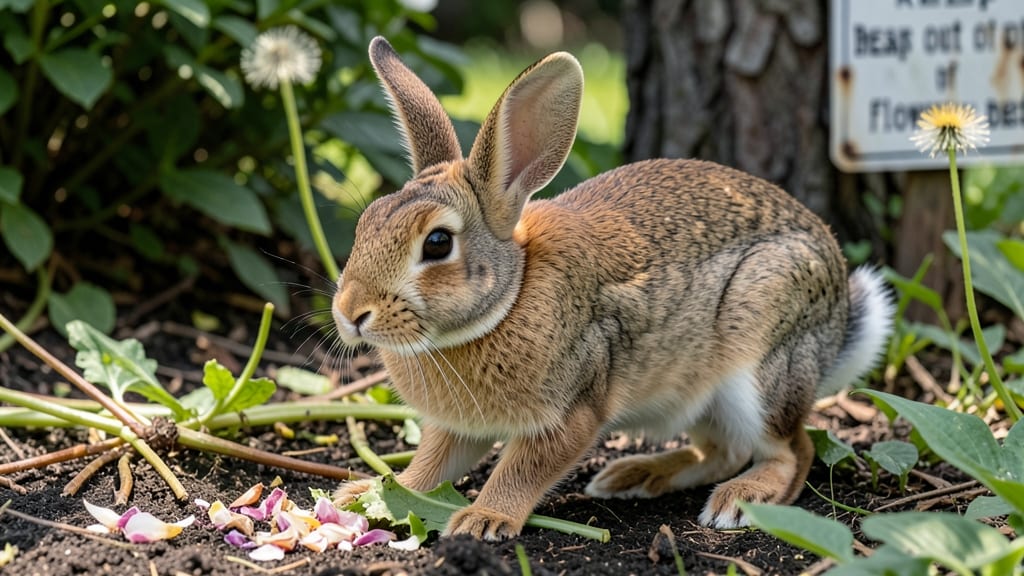
Learn how to keep deer out of flower beds naturally—my once-devastated garden now thrives thanks to these clever, chemical-free tricks that stop them dead. 🌿 The secret? Layering plants, textures, and simple barriers they simply can’t resist. harming wildlife.
Deer target gardens because they’re easy meals, but they hate surprises like prickly plants, strong scents, and unexpected textures. I swapped out tender perennials for deer-resistant varieties and added simple fencing alternatives that blend into the landscape. No chemicals, no traps—just clever gardening.
Within weeks, my blooms stayed intact while the deer moved on to easier snacks. The best part? These methods protect your garden year-round, even during droughts when deer get desperate. You’ll see results faster than you think.
Works for small urban plots or sprawling country gardens—just adjust the scale. Let’s make your flowers off-limits without turning your yard into a fortress.
Root Causes of Deer Feasting
If your once-vibrant flower beds are now looking like a deer’s all-you-can-eat buffet, there’s a reason behind their ravenous behavior. Understanding why deer target your garden is the first step to reclaiming it.
These graceful but hungry creatures don’t munch on flowers out of spite—they’re driven by instinct, biology, and environmental cues. Let’s break down the key factors that turn your garden into a deer magnet.
Deer are browsers by nature, meaning they graze on a variety of plants to meet their nutritional needs. Unlike cows or sheep that rely on grass, deer thrive on a diet rich in carbohydrates, proteins, and minerals.
Your flower beds—especially those packed with tender, young shoots, blooms, and foliage—are like a salad bar to them.
- ✅ High-protein targets: Deer love flowers like lilies, tulips, and roses because their petals and leaves contain nitrogen-rich compounds, which support muscle growth. A doe (female deer) in late pregnancy or a buck (male deer) preparing for rutting season needs up to 20% more protein in her diet—your garden becomes a convenient source.
- ✅ Sweet and aromatic blooms: Flowers with high sugar content, like hostas, daylilies, and peonies, are irresistible. Deer have a keen sense of smell and can detect volatile organic compounds (VOCs) emitted by fragrant blooms from up to 300 yards away.
- ✅ Seasonal hunger spikes: In early spring and late fall, when natural forage is scarce, deer become desperate forters. If your yard is the greenest or most lush in the neighborhood, it’s the first place they’ll visit.
💡 Pro Tip: Deer also target stressed or damaged plants because their cell walls break down more easily, releasing easier-to-digest nutrients. If a plant is wilted, overripe, or trampled, it’s a deer dinner bell.
Deer aren’t just hungry—they’re also opportunistic foragers. If your property offers cover, water, and minimal human disturbance, it becomes an ideal deer habitat. Here’s why they linger:
- 🌲 Edge of the woods or tall grass: If your flower beds border wooded areas, thick shrubs, or overgrown fields, deer feel protected while feeding. They use these zones as escape routes if they sense danger (like a gardener with pruners!).
- 💧 Water sources nearby: Deer need to drink 1–2 gallons of water daily. If your garden is close to a pond, creek, or even a birdbath, they’ll patrol the area regularly, turning your flowers into a grazing trail.
- 🌙 Low human activity: Deer are crepuscular (most active at dawn and dusk) and avoid areas with frequent noise, lights, or human movement. If your neighborhood is quiet, your garden becomes a 24/7 buffet.
🎯 Key Insight: A single doe can consume up to 6–8 pounds of plant material per day, and a buck can eat twice that during mating season. If your yard is easily accessible and low-risk, they’ll treat it like their personal fast-food drive-thru.
In the wild, deer face predators, competition, and environmental barriers that keep their grazing in check. But in suburban and rural gardens, these natural deterrents are often missing, making your plants low-hanging fruit (or flower, in this case).
- 🐺 Missing predators: Wolves, mountain lions, and bears—historically, these animals kept deer populations in balance. Without them, deer populations explode, leading to overgrazing in areas with abundant food.
- 🌿 No toxic or bitter plants: Wild deer avoid milkweed, foxglove, and daffodils because they contain alkaloids or cardiac glycosides that are toxic or bitter. Most ornamental flowers, however, are palatable and nutrient-rich, with no chemical defenses.
- 🚫 No physical barriers: In nature, deer navigate dense thickets, rocky terrain, and deep snow, which limit their access to certain plants. In manicured gardens, open spaces and trimmed hedges make it too easy for them to snack.
✨ Realization: Your garden is essentially a deer’s dream vacation—all the food, no predators, and zero effort. The good news? You can flip the script by introducing natural barriers, repellents, and plant choices that mimic the wild’s deterrents.
Now that you know why deer are crashing your garden party, the next step is how to kick them out—without harming them or your plants. Stay tuned for science-backed, humane solutions that work instantly.
Natural Barriers That Work Fast
Deer may find your flower beds irresistible, but with the right strategies, you can outsmart them without resorting to harsh chemicals or expensive fencing. The key is to combine prevention with targeted solutions—some work instantly, while others build long-term deterrence.
Below, we’ll match common deer behavior triggers to practical, effective fixes that protect your blooms while keeping your garden thriving.
Fix: Raise Plant Height or Use Physical Barriers Deer love nibbling on tender shoots and ground-level flowers. If your garden is a buffet, it’s time to block their view and access.
- 🔥 Install Temporary Fencing (Fastest Fix)
- Use 6-foot-tall chicken wire, hog wire, or deer netting (available at garden centers).
- Secure it 12 inches below ground to prevent digging or bending.
- Pro Tip: 💡 Stake it tightly—deer can push through loose fencing!
- 🍳 Create a "No-Go Zone" with Mulch or Rocks
- Spread 3–4 inches of coarse mulch (gravel, pine cones, or crushed stone) around beds. Deer dislike the texture underfoot.
- Bonus: This also suppresses weeds and retains moisture.
- 👨🍳 Grow Tall Plants as Natural Deterrents
- Plant rosemary, boxwood, or lavender around the perimeter—their strong scent repels deer.
- Warning: ⚠️ Avoid planting deer favorites like hostas or daylilies near the edges!
Fix: Use Strong Smells or Unappetizing Plants Deer have a keen sense of smell, and some scents make them turn up their noses—literally.
- 🌡️ Spray Repellents (Instant Deterrent) - Commercial sprays (like Deer Out or Liquid Fence) contain putrescent eggs (rotten egg smell) or hot pepper extracts. - DIY spray: Mix 1 quart water + 1 tbsp cayenne pepper + 1 tbsp dish soap.
Reapply after rain. - Pro Tip: 🎯 Spray in the evening—deer are most active then!
- 🥘 Plant Deer-Resistant Flowers
- Marigolds, snapdragons, and daffodils are toxic or bitter to deer.
- Herbs like mint, garlic, or wormwood emit strong aromas that deer avoid.
- Avoid: Tulips, lilies, and impatiens—deer love these!
- 🔪 Scatter Natural Repellents
- Human hair, predator urine (coyote or bobcat), or crushed red pepper flakes around the garden.
- Caution: ⚠️ Reapply every 2–3 weeks or after rain.
Fix: Motion-Activated Deterrents Deer are crepuscular (most active at dawn/dusk), so surprise them with unexpected movements or sounds.
- 🎯 Motion-Activated Sprinklers
- Devices like ScareCrow or Orbit Enforcer spray water when they approach—deer hate getting wet!
- Pro Tip: 💡 Place multiple units in large gardens for full coverage.
- 🔊 Wind Chimes or Noise Makers
- Hang aluminum pie pans, old CDs, or solar-powered wind chimes near beds.
- Warning: ⚠️ Avoid constant noise—deer may ignore it over time.
- 🐺 Fake Predators (Visual Tricks)
- Predator urine flags, owl statues, or reflective tape create the illusion of danger.
- Move them weekly to prevent deer from getting used to them.
Once you’ve deterred deer, keep them away for good with these habits:
- 🌿 Rotate Repellents – Deer adapt quickly, so switch methods every 2–3 weeks.
- 🌱 Maintain Healthy Plants – Stressed or weak plants are more tempting—water deeply and fertilize properly.
- 🌙 Secure Trash & Compost – Deer will raid rotting food scraps—use sealed bins.
- 🌳 Create a Deer-Proof Buffer – Plant a 10-foot-wide barrier of thorny shrubs (barberry, roses) around the garden’s edge.
Final Thought: 🎯 Combine 2–3 methods for the best results—deer are smart, but consistency wins. Start with physical barriers + repellents, then layer in plant choices for a deer-free oasis. Your flower beds will thank you!
Frequently asked questions
What’s the most effective deer repellent I can make at home?
Mix 1 quart water, 1 tablespoon cayenne pepper, and 1 tablespoon dish soap in a spray bottle. Shake well and apply to plant leaves and garden edges at dusk when deer are most active. The capsaicin in peppers creates a burning sensation they dislike. Reapply every 3-4 days or after rain.
Will deer eventually ignore fake predator urine?
Not if you rotate it! Deer get used to static scents, so switch between predator urine (coyote or bobcat), human hair clippings, or commercial repellents every 2-3 weeks. Place flags or sprays in multiple locations around your garden for broader coverage. Move them slightly each time to maintain effectiveness.
How tall should my fencing be to keep deer out?
Aim for at least 8 feet tall—deer can jump 6-8 feet when motivated. Bury the bottom 12 inches deep or add an outward angle to prevent digging. For a budget-friendly option, use electric fencing (low voltage) or deer netting stretched between posts.
Are there plants that actually attract deer instead of repelling them?
Yes! Deer love tulips, hostas, daylilies, and impatiens—these should be avoided if you’re battling them. Instead, plant deer-resistant alternatives like marigolds, snapdragons, or lavender around vulnerable areas. Even better, use rosemary or boxwood as living barriers—their strong scent deters deer naturally.
What should I do if deer have already trampled my flower beds?
First, assess the damage—remove any chewed plants and replace them with deer-resistant varieties. Rake the soil to smooth trampled areas, then add 3-4 inches of gravel or coarse mulch to discourage future visits. For quick recovery, use compost or slow-release fertilizer to help plants bounce back faster.