
Landscaping
Transforming empty spaces into lush garden beds doesn’t require expensive materials. These 10 budget-friendly garden bed ideas use repurposed items, natural elements, and clever designs to create stunning, functional spaces without breaking the bank.
Pallet Wood Raised Garden Beds
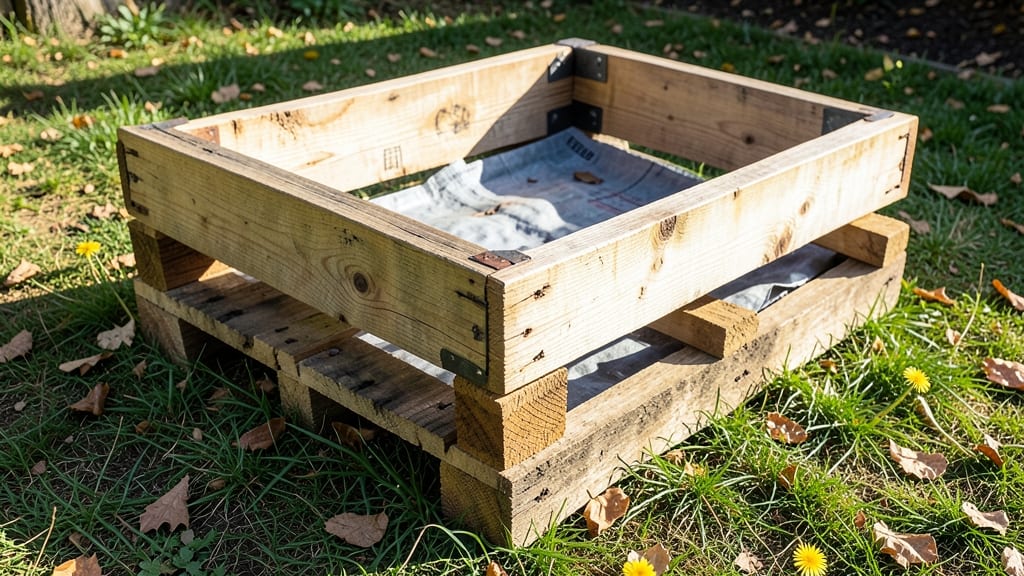
Skip the trip to the garden center—pallets are the ultimate free or low-cost building blocks for elevated garden beds. With just a few tools and some elbow grease, you can transform these sturdy wooden structures into weed-free, drainage-friendly planting spaces that last for years.
Start by stacking heat-treated pallets (avoid chemically treated ones) into a rectangular frame, securing them with screws or corner brackets. Line the bottom with landscape fabric to prevent soil from leaking out, then fill with a mix of topsoil and compost. The elevated design keeps roots cooler in summer and prevents soil compaction, while the natural wood adds rustic charm to any space.
Perfect for small urban gardens or beginner gardeners, these beds require minimal ground prep and can be moved easily. Plus, the height makes weeding and harvesting a breeze—no more kneeling in the dirt! 🌿
Cinder Block Frame Garden Beds
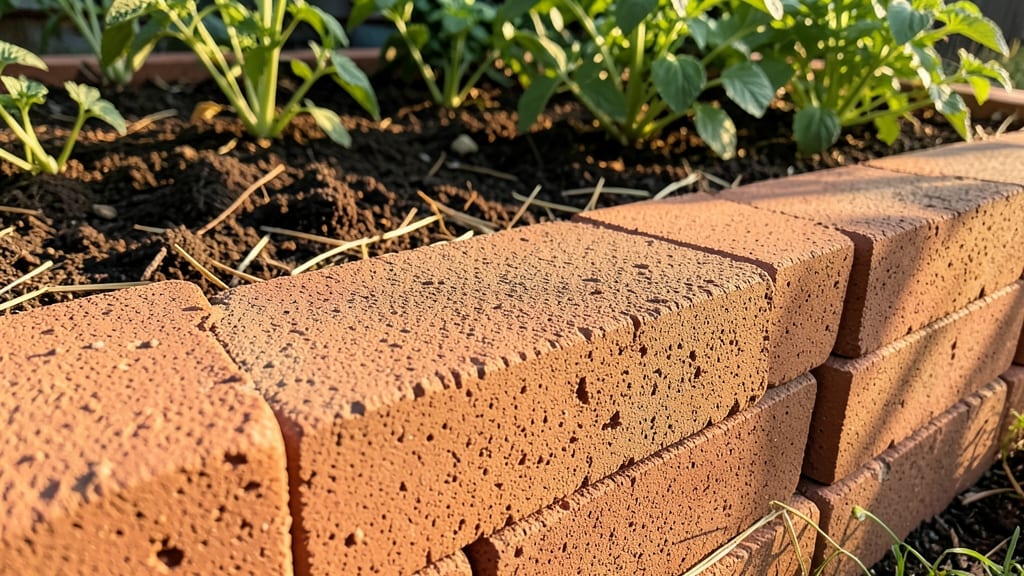
Skip the pricy lumber—cinder blocks are your secret weapon for sturdy, low-cost garden borders that last for years. These heavy-duty blocks create defined edges that keep soil in place, prevent erosion, and work perfectly for vegetable gardens or herb spirals without breaking the bank.
Start by laying blocks in a rectangular or circular pattern, using a level to ensure even height. Fill the center with a mix of topsoil and compost (about 6-8 inches deep) for optimal plant growth. For extra stability, interlock blocks by staggering them like brickwork—this prevents shifting over time. Cinder blocks also double as planters for drought-tolerant herbs like rosemary or thyme, which thrive in their slightly alkaline soil.
This solution is ideal for urban gardeners or anyone with limited tools—just a hammer, level, and gloves are needed. The blocks’ weight keeps critters out, and their neutral look blends seamlessly with any garden style. 💪
Tire Garden Beds With Vertical Layers
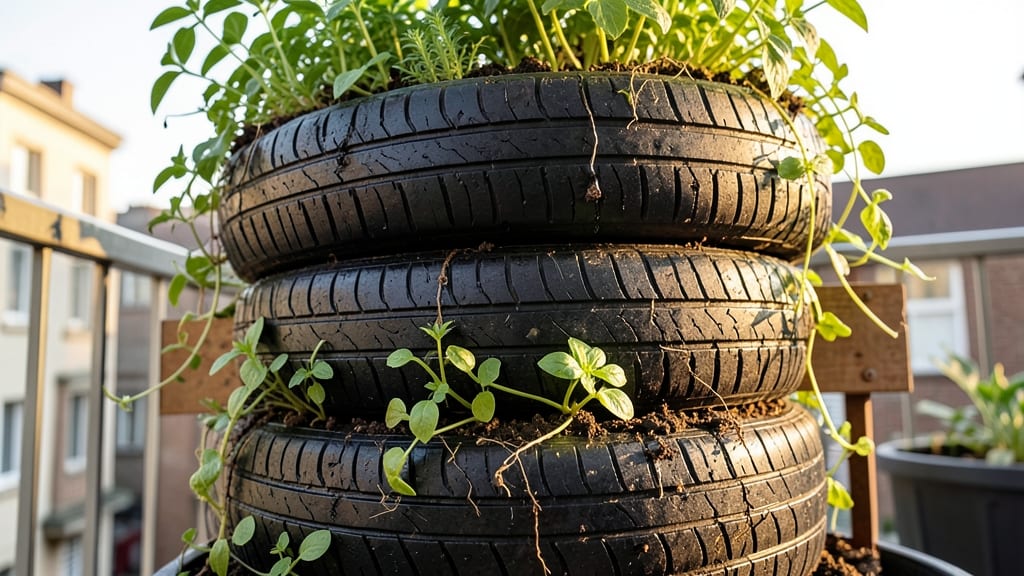
Turn your old tires into a vertical gardening powerhouse—perfect for urban balconies or small yards where space is limited. Stacking tires creates built-in tiered layers, allowing you to grow more plants in less footprint while adding visual interest to your outdoor space.
Start by cleaning and stacking tires in a stable pyramid, filling each with well-draining soil suited to your plants—herbs like basil thrive in the shallower upper tiers, while succulents or flowers can anchor the base. Paint the tires with non-toxic chalkboard paint for a stylish touch, or leave them natural for a rustic look. This design also makes watering easier: top tiers drain into lower ones, reducing waste.
Urban gardeners and renters will love this zero-waste solution—it’s lightweight, portable, and customizable. Plus, the vertical structure keeps pests like slugs at bay while maximizing your growing potential. 🌱
Straw Bale Garden Beds
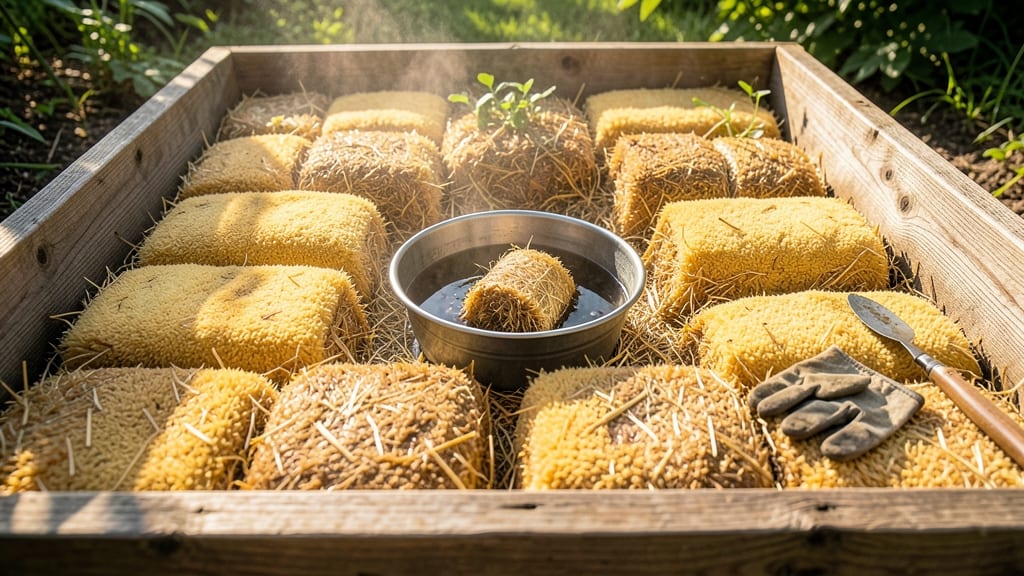
Skip the soil prep and heavy lifting—straw bale garden beds transform into planting spaces in days, not weeks. Simply arrange bales in a rectangular frame, soak them for 24 hours to kickstart decomposition, and you’ll have a nutrient-rich medium ready for planting vegetables, herbs, or flowers without digging or amending soil.
The magic happens as the bales break down, releasing nitrogen and creating an ideal environment for fast-growing crops like lettuce, radishes, or basil. Water the bales daily for the first week to maintain moisture, then plant directly into the sides or top. This method works perfectly for renters or anyone with limited access to traditional garden space—just move the bales when you relocate!
Perfect for quick-start gardens or small urban plots, straw bale beds also suppress weeds naturally and warm up faster in spring. No tools, no mess, just pure gardening potential. 🌱
Bricks Or Broken Concrete Edging
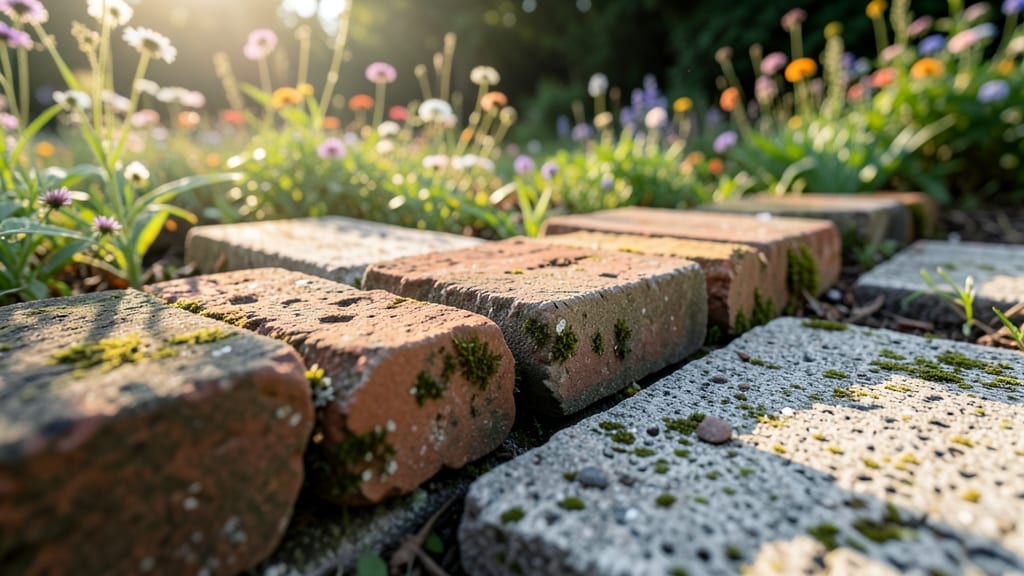
Skip the trip to the hardware store—salvaged bricks or broken concrete can transform your garden into a charming, low-maintenance retreat with zero cost. These rugged materials create natural-looking borders that blend into cottage gardens, wildflower patches, or even woodland edges, adding texture without the fuss of formal edging.
Start by collecting bricks from demolition sites, old walkways, or even your own property (clean them thoroughly first). Arrange them in an irregular pattern along your bed’s perimeter, letting their varied shapes and sizes create organic movement. For broken concrete, use larger chunks as anchors at the corners and smaller pieces to fill gaps—this mimics a natural stone border while keeping soil contained. Plant drought-tolerant perennials like lavender or sedum along the edges to highlight the rustic charm.
This approach is ideal for gardeners who love minimalist, natural aesthetics but hate high-maintenance borders. The materials last for years, suppress weeds naturally, and require no special tools—just a shovel and a little elbow grease. Plus, the irregular lines make your garden feel like a lived-in, beloved space rather than a perfectly manicured showpiece. 🌷
Log Or Branch Circles For Herb Gardens
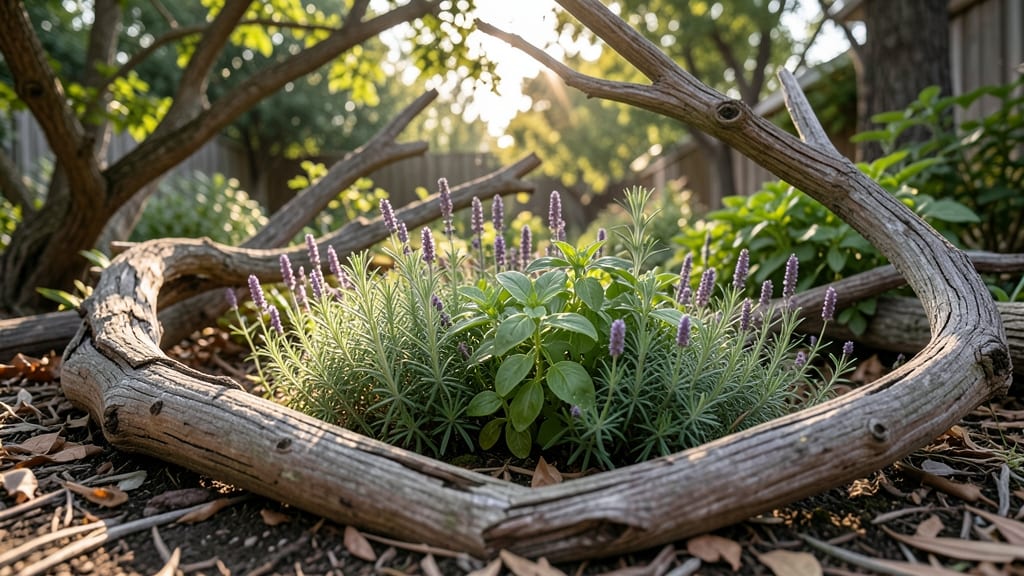
Skip the trip to the hardware store—your backyard is already stocked with the perfect material for a zero-waste herb garden. Simply arrange fallen branches or logs in a loose circle on the ground, creating a natural border that blends seamlessly with your landscape while highlighting your favorite culinary herbs like rosemary, thyme, or parsley.
No tools or measurements are needed—just place the logs or branches in a circular pattern, leaving a gap in the center for planting. Fill the space with well-draining soil mixed with compost, and tuck your herbs into the soil. The circular shape not only adds a whimsical touch to your garden but also makes it easy to access plants from all sides. This design works especially well in shaded or woodland areas, where the natural surroundings enhance the rustic charm.
Perfect for small-space gardeners or anyone who loves a low-maintenance, organic look, these beds require no upkeep beyond occasional watering. Plus, the logs or branches will eventually decompose, enriching the soil for future plantings. 🌿
Plastic Bottle Vertical Garden
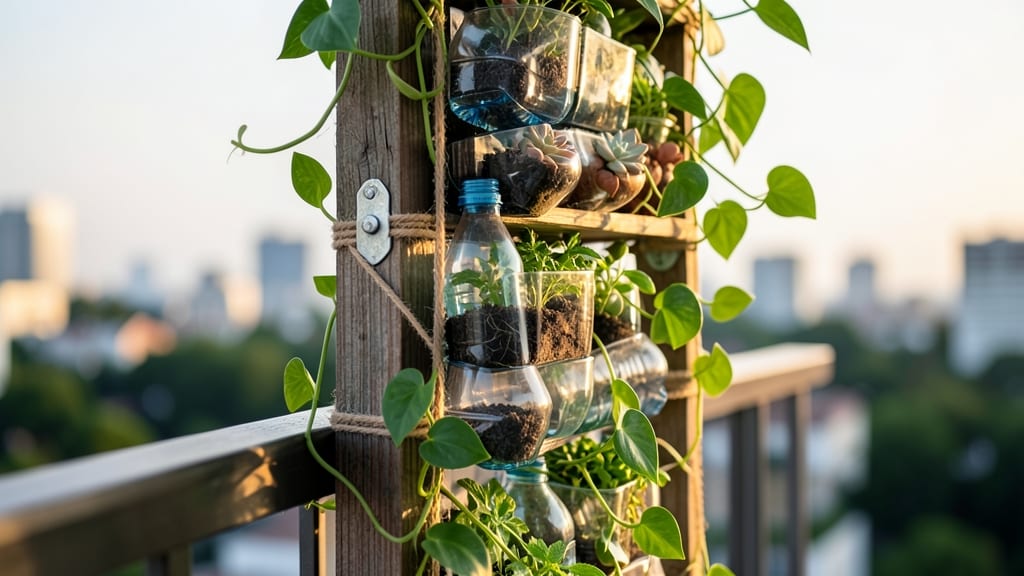
Turn your balcony or patio into a vertical oasis with a plastic bottle vertical garden—no digging, no soil prep, just creativity and repurposed materials. This space-saving solution lets you grow herbs, succulents, or trailing flowers in tight spots, using bottles that would otherwise clutter your recycling bin.
Start by cutting bottles in half (bottoms for planting) and drilling drainage holes. Mount them on a wooden frame or fence using zip ties, then fill with a mix of cactus soil (for succulents) or potting mix (for herbs). Choose plants like pothos, strawberries, or petunias—their trailing vines will cascade beautifully while thriving in the bottles’ contained environment. Water from the top to let excess drain into lower bottles, minimizing waste.
Perfect for urban gardeners, renters, or anyone with limited space, this project costs nearly nothing and can be customized in size or color. Plus, it’s a great way to teach kids about sustainability while growing fresh food. 🌿
Sheet Metal Or Corrugated Roofing Beds
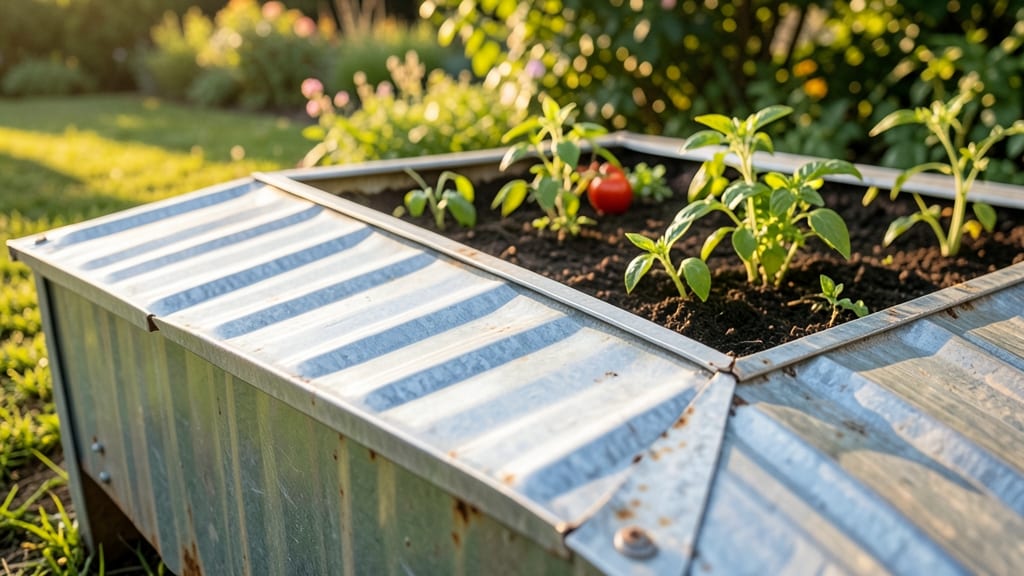
Turn your scrap metal into a high-performance garden bed that outlasts traditional wood while reflecting sunlight to boost heat-loving crops. Repurposed sheet metal or corrugated roofing creates a durable, low-maintenance planter that stays cool to the touch (perfect for hot climates) and resists rot or pests—ideal for peppers, tomatoes, or eggplants that crave warmth.
Start by cutting metal sheets to your desired bed size (4'x8' works well) and line the bottom with landscape fabric to prevent soil loss. Fill with a well-draining mix of compost and topsoil, then add a 2-inch layer of gravel at the base for extra drainage. The metal’s reflective surface can raise soil temperatures by 5-10°F, giving you a longer growing season for heat-sensitive plants. For extra stability, anchor the edges with concrete pavers or bricks.
This solution is a game-changer for urban gardeners with limited space or anyone tired of replacing rotting wood beds. The industrial-chic look also pairs beautifully with modern or minimalist landscapes—plus, it’s nearly 100% recyclable when you’re ready for an upgrade. 🌻
Wine Cork Mulch Garden Beds
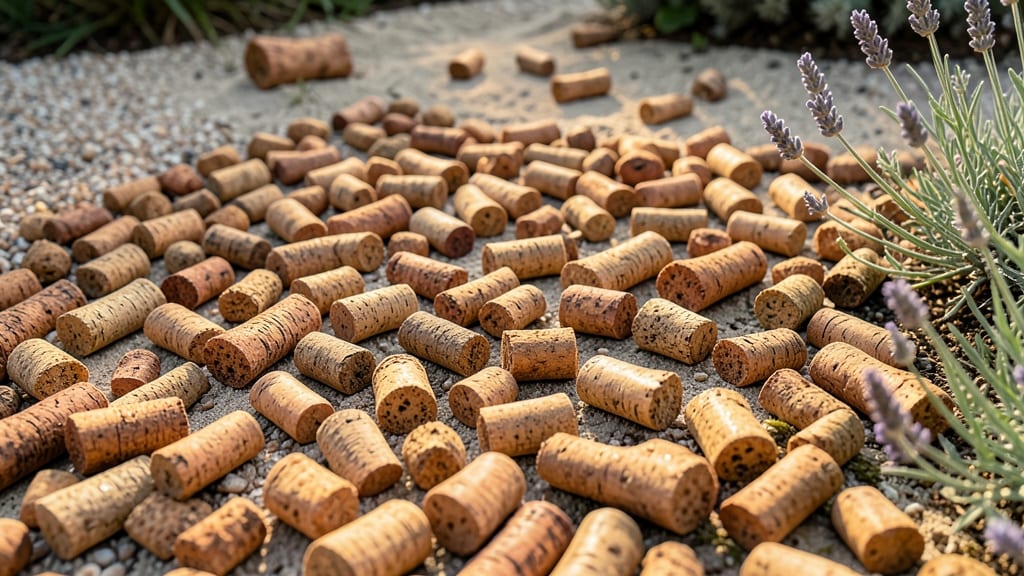
Turn your wine collection’s leftovers into a weed-suppressing, moisture-retaining garden masterpiece with wine cork mulch. This eco-friendly alternative breaks down slowly (3-5 years) while adding a striking, textured contrast to sandy or drought-prone soils—perfect for Mediterranean-style gardens or arid climates where water conservation is key.
Start by collecting clean, compressed corks (check local wineries or recycling centers for bulk donations). Spread them in a 2-3 inch layer over your garden bed’s surface, leaving a small gap around plant stems. The corks’ natural porosity regulates soil moisture, reducing irrigation needs by up to 40%, while their irregular shapes deter weeds by blocking sunlight. Pair them with drought-tolerant plants like lavender, rosemary, or sedum for a low-maintenance, high-impact look that thrives in full sun.
This zero-waste solution is ideal for urban gardeners or anyone with limited water resources—no special tools or skills required. Plus, the corks’ warm, earthy tones add a sophisticated touch to any garden design, proving sustainability can be both functional and beautiful. 🌻
Driftwood Or Branch Arches For Climbing Plants

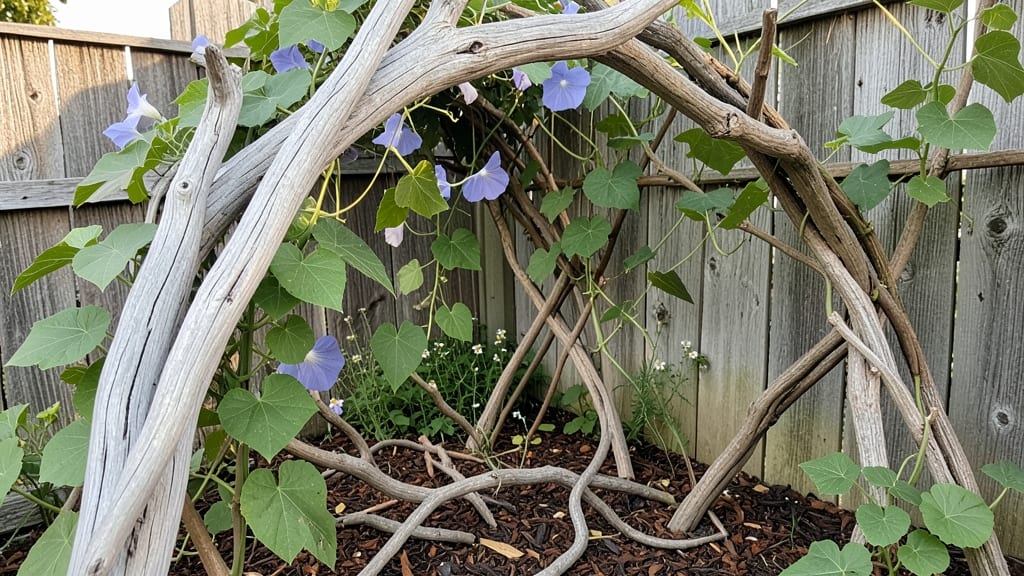
Turn your garden into a storybook scene with driftwood or branch arches—nature’s free trellis for climbing plants like morning glories or cucumbers. These whimsical structures add vertical drama while using zero budget, just repurposed materials you can find in your own yard or local park.
Start by selecting sturdy branches or driftwood (avoid anything brittle or diseased). Prop them up in an arch shape, securing the base with stakes or rocks for stability. Train fast-growing vines like pole beans or jasmine to climb the natural lattice, or let ivy soften the structure over time. The organic shapes create a magical focal point that blends seamlessly with cottage gardens or woodland edges.
This DIY project is perfect for small-space gardeners or anyone who loves rustic charm. The arches require no tools beyond basic plant ties, and the natural materials will eventually decompose, enriching the soil for future plantings. 🌱