
Tools
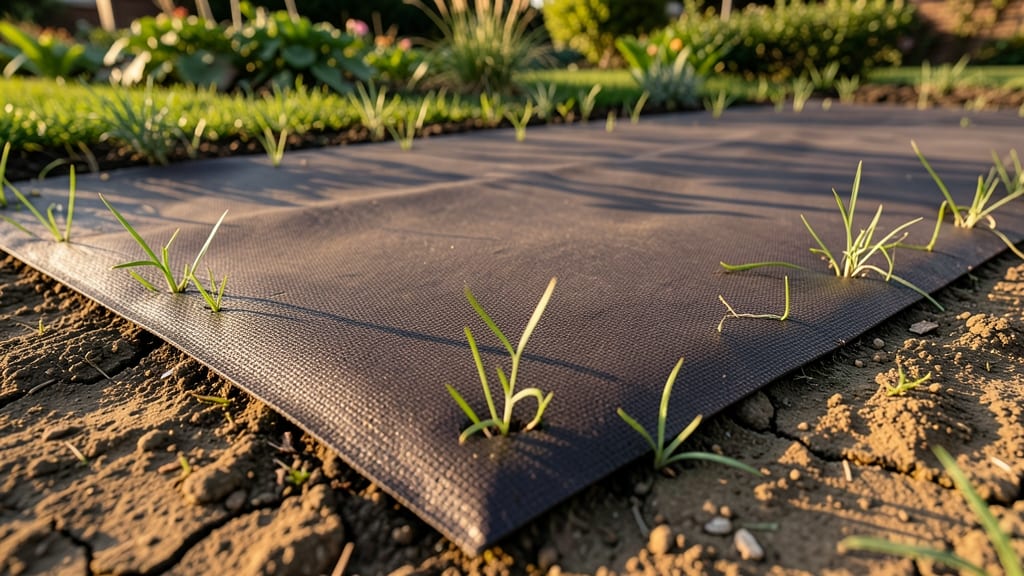
Creating a durable garden bed doesn’t require expensive materials or constant repairs. These ten low-maintenance options provide long-lasting solutions for raised beds, in-ground frames, and container gardens—each with unique benefits for soil health, weed control, and structural integrity.
Cedar Wood Garden Bed Frames
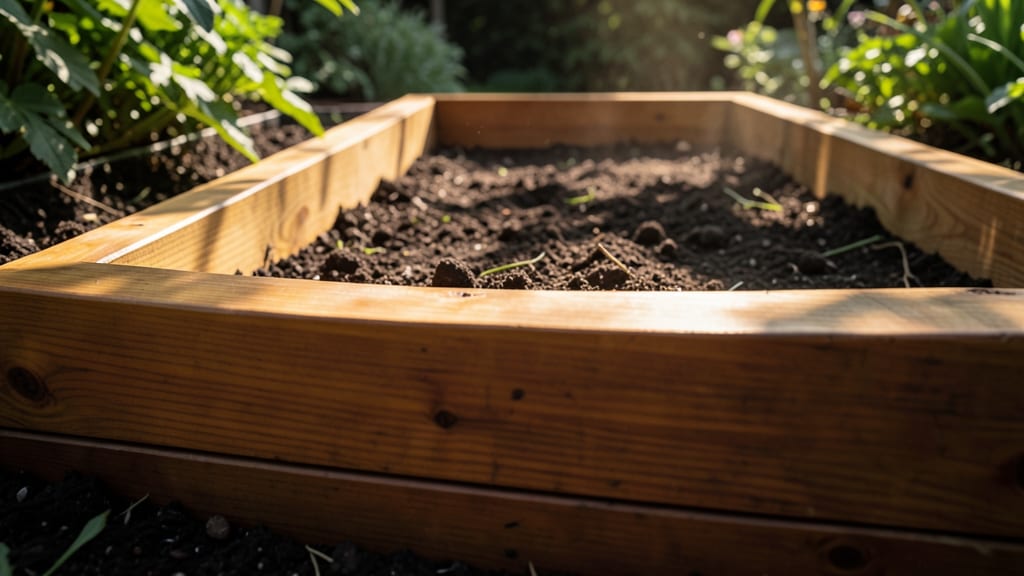
Want a garden bed that smells as good as it looks while lasting a decade or more? Cedar wood frames combine natural beauty with exceptional durability, making them the top choice for organic gardeners who avoid chemical treatments.
Cedar’s natural oils repel insects and fungi, preventing rot for 10+ years without sealants or stains. The warm, aromatic wood also enhances your garden’s aesthetic, blending seamlessly with plants while resisting moisture better than pine or fir. For best results, use 2x6 or 2x8 boards (at least 12" deep) and space them 1–2" apart for drainage.
This material is perfect for organic gardeners and those who love rustic charm—no toxic chemicals needed. Plus, cedar’s natural resistance means fewer repairs over time. 🌿
Composite Lumber for Long-Lasting Beds
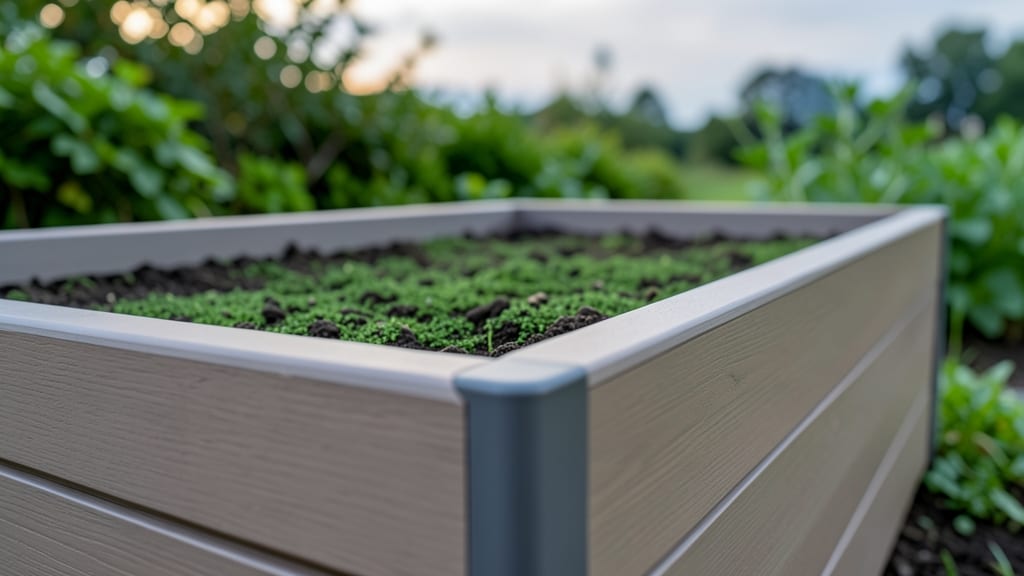
Tired of replacing rotting wood frames every few years? Composite lumber combines recycled wood fibers with plastic to create garden beds that resist warping, cracking, and pests—no sealing or staining required.
This low-maintenance material won’t fade, splinter, or attract termites, making it ideal for urban spaces where durability matters more than cost. Choose from colors that match your patio or leave it natural for a sleek, modern look. Simply cut to size and assemble with screws or hidden connectors for a clean finish.
Perfect for city gardeners or anyone who wants a long-term solution without the hassle of traditional wood. 💡
Galvanized Steel Edging for Heavy-Duty Beds
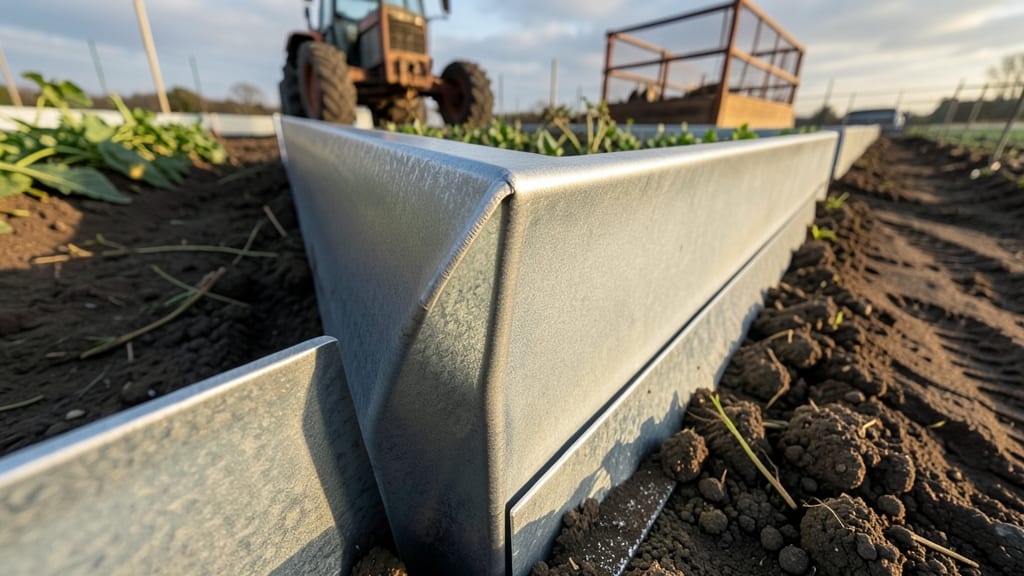
When your garden beds face foot traffic from livestock, machinery, or curious kids, galvanized steel edging is the unbreakable solution. Unlike wood or plastic, this heavy-duty material resists rust, warping, and even termites—making it the gold standard for commercial farms, market gardens, or perennial beds that demand longevity.
The zinc-coated steel provides sharp, clean edges that stay in place for decades, while its weight-bearing capacity supports mounded soil and prevents collapse. For high-traffic paths, pair it with gravel or pavers to create durable borders that won’t shift. It’s also recyclable at the end of its life, offering sustainability without compromising strength.
This is the go-to choice for gardeners who prioritize low-maintenance durability over aesthetics—ideal for large-scale operations or anyone tired of replacing flimsy edging every few years. 💪
Recycled Plastic Lumber Beds
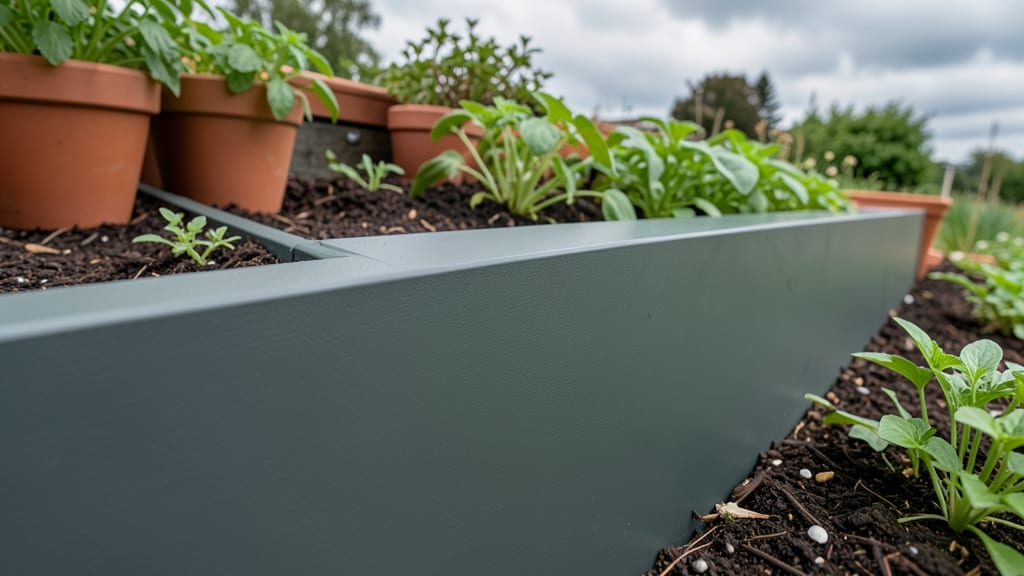
Tired of replacing rotting wood or battling termites in your garden beds? Recycled plastic lumber is the game-changer for eco-conscious gardeners who refuse to compromise on durability. Unlike traditional materials, these beds resist pests, moisture, and UV rays—guaranteeing a 20+ year lifespan with zero maintenance.
Made from 100% post-consumer plastic waste, these beds are termite-proof and won’t warp or splinter like wood. They’re also lightweight yet sturdy enough to support heavy plants, and their smooth surface prevents soil erosion. Plus, they won’t leach chemicals into your soil, making them ideal for organic gardens or family-friendly spaces.
Perfect for renters, urban gardeners, or anyone who wants a low-waste solution, recycled plastic lumber beds require no sealing, staining, or chemical treatments. Just assemble and plant—your garden’s new foundation will last for decades. 💚
Brick or Stone Retaining Wall Beds
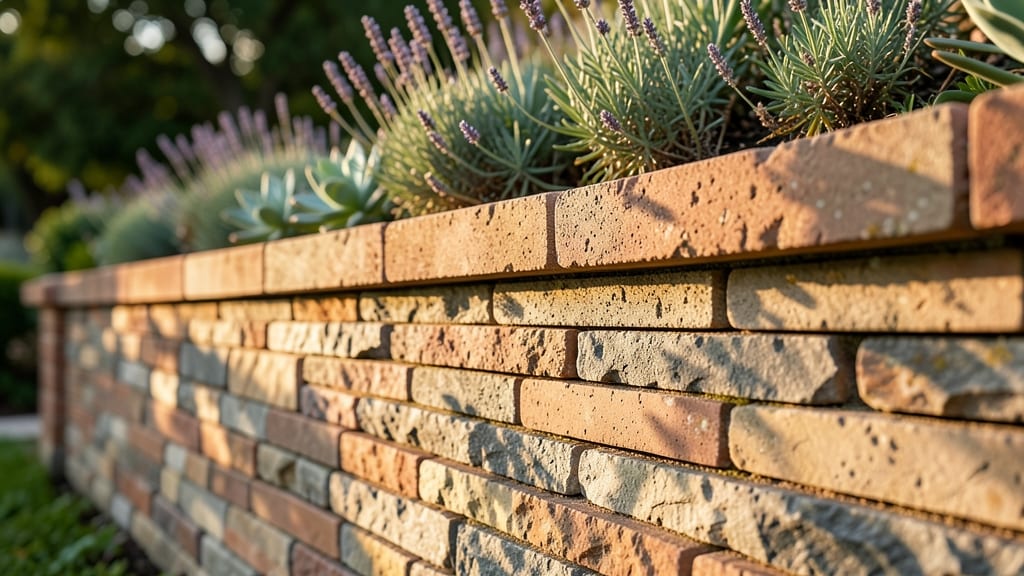
Want a garden bed that’s as beautiful as it is durable? Brick or stone retaining walls create stunning, heat-resistant borders that last decades while adding Mediterranean charm to your landscape. Unlike temporary materials, these permanent structures blend seamlessly with drought-tolerant plants like lavender and rosemary, thriving under full sun.
For installation, use mortar for bricks or gravel backfill for stones to ensure stability—especially on slopes. Choose sandstone or bluestone for natural texture or clay bricks for classic warmth. These materials also regulate soil temperature, protecting roots from extreme heat or cold. Perfect for gardeners who love low-maintenance, high-impact designs. ✨
PVC Garden Bed Kits
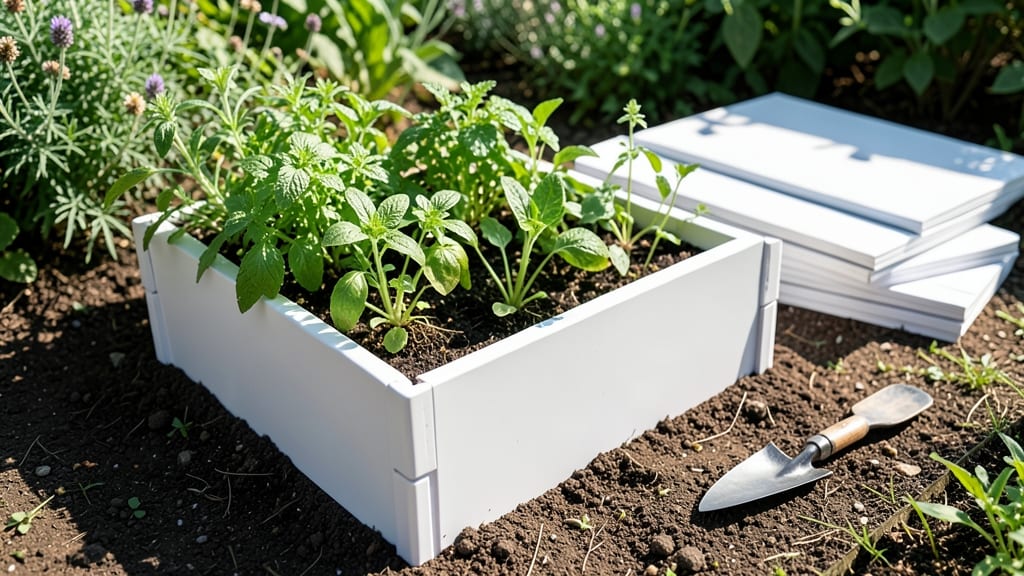
Moving your garden without uprooting plants? PVC garden bed kits let you create a portable, modular system that assembles in under an hour—no heavy lifting or permanent installation required. These kits use interlocking chemical-free PVC panels that resist rot, pests, and weather, making them ideal for renters or gardeners with limited space.
Most kits include pre-drilled holes for easy assembly with screws or stakes, and their lightweight design means you can disassemble and relocate them seasonally. The panels won’t warp like wood or corrode like metal, and their smooth surface prevents soil erosion. For extra mobility, add wheels or place them on a deck to create a rolling planter—perfect for patios or balconies.
This is the ultimate solution for budget-conscious gardeners who want flexibility without sacrificing durability. No tools? No problem—many kits use snap-together connections. 🌻
Hessian Fabric for Temporary Beds
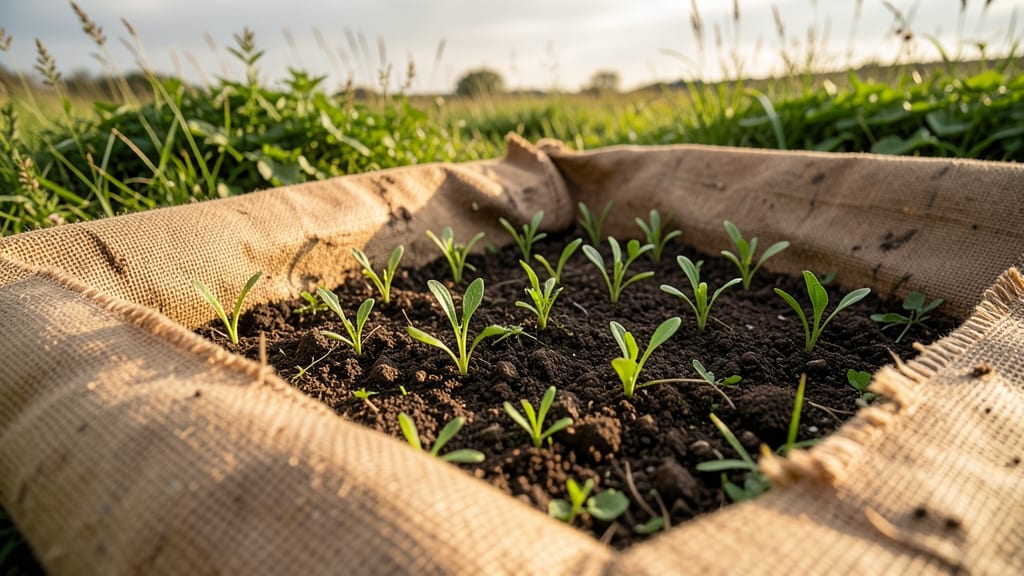
Need a garden bed that’s easy to set up but won’t leave behind plastic waste? Hessian fabric is the perfect temporary solution for short-term vegetable gardens, offering natural weed suppression while breaking down into nutrient-rich soil after just 2–3 years.
This biodegradable material blocks weeds without chemicals, allowing roots to penetrate while keeping your soil moist and loose. Simply lay it flat in your planting area, secure the edges with wooden stakes or rocks**, and fill with compost or soil. It’s especially useful for gardeners testing new layouts or preparing beds for spring planting without long-term commitment.
Ideal for urban gardeners, beginners, or renters, hessian eliminates the need for permanent borders while improving soil structure as it decomposes. Just plant directly through the fabric—no removal needed! 🌱
Corrugated Metal for Industrial Gardens
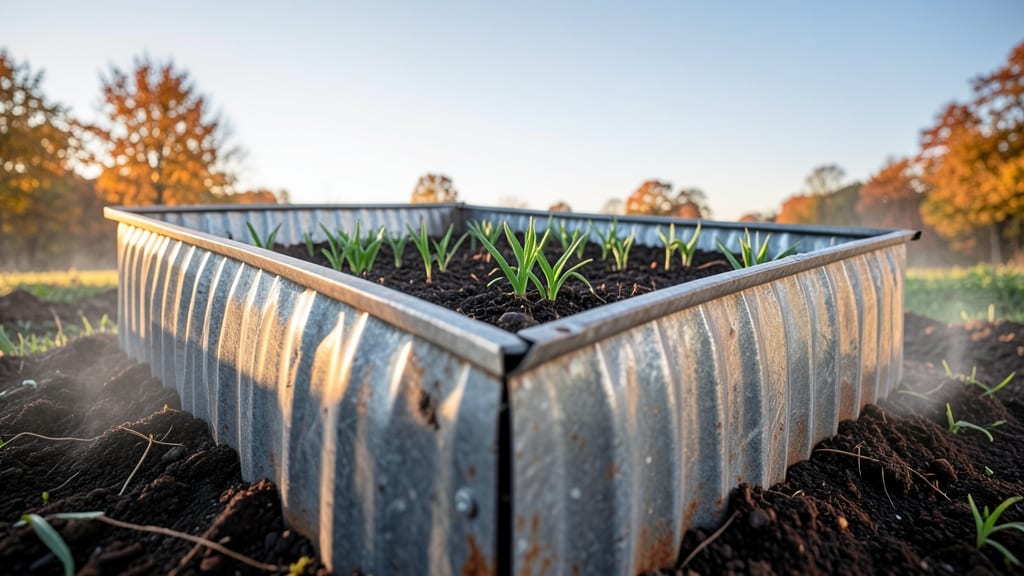
Looking for a garden bed that outlasts the seasons while keeping your plants happy in harsh climates? Corrugated metal beds combine industrial durability with a surprising gardening advantage: their reflective surface acts like a built-in heat absorber, extending growing seasons by trapping warmth near roots.
These affordable yet ultra-durable beds resist rust, rot, and pests—ideal for urban rooftops or cold-climate gardens where traditional materials fail. The corrugated design provides drainage while supporting heavy soil loads, and their sleek look fits modern or industrial-chic landscapes. Simply add soil and plants, then let the metal’s reflective properties work overtime to protect tender crops from late frosts.
Perfect for city gardeners, rooftop farmers, or anyone in Zone 3-5 who wants a long-term solution that outshines temporary materials. The reflective bonus means earlier springs and later falls for your harvests. 🌟
Bamboo Mat Edging for Natural Beds
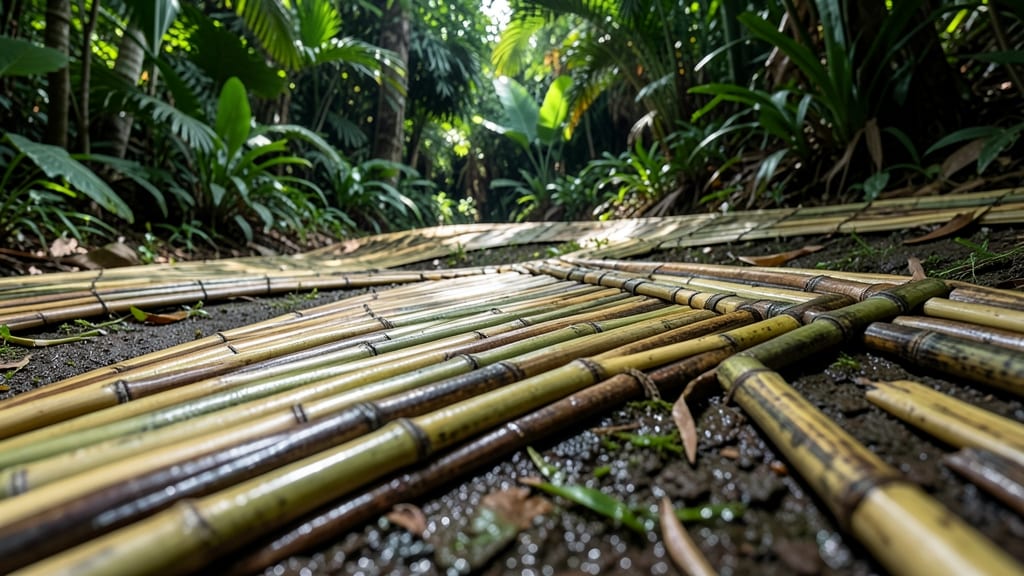
Looking for a garden bed edging that’s as eco-friendly as it is versatile? Bamboo mat edging offers the perfect blend of sustainability and flexibility, bending effortlessly to create organic curves while thriving in moisture-rich climates—ideal for tropical gardens, rainforest-inspired landscapes, or even damp backyard corners.
Unlike rigid materials, bamboo’s natural flexibility allows you to shape beds around trees, curved pathways, or uneven terrain without cutting or joining pieces. It also resists rot and pests, lasting 5–7 years with minimal care—simply secure it with landscape staples or rocks. The woven texture even adds a rustic, natural aesthetic that complements ferns, hostas, and other shade-loving plants.
This is the top choice for gardeners in humid climates who want a low-maintenance, biodegradable solution that blends seamlessly with nature. Plus, it’s lightweight and easy to replace if needed—no heavy tools required! 🌿
Preformed Landscape Fabric Layers

Fighting a never-ending battle with weeds in your garden beds? Preformed landscape fabric is the silent hero that saves time and energy by blocking weeds at their roots while stabilizing soil moisture and temperature. Unlike temporary solutions, this durable material stays in place for 5–10 years, making it ideal for ground-level beds where weeds thrive.
Made from woven polypropylene or polyester, this fabric allows water and air to penetrate while suffocating weeds, reducing hand-pulling by up to 80%. Simply lay it flat before adding soil, securing edges with landscape staples or rocks to prevent shifting. It also prevents soil erosion and keeps mulch in place, creating a cleaner, more professional look with minimal effort.
Perfect for high-weed areas, slopes, or large in-ground beds, this fabric is a game-changer for gardeners who want long-term weed control without chemicals. Just plant directly through the fabric—no removal needed! 💪