
Tools
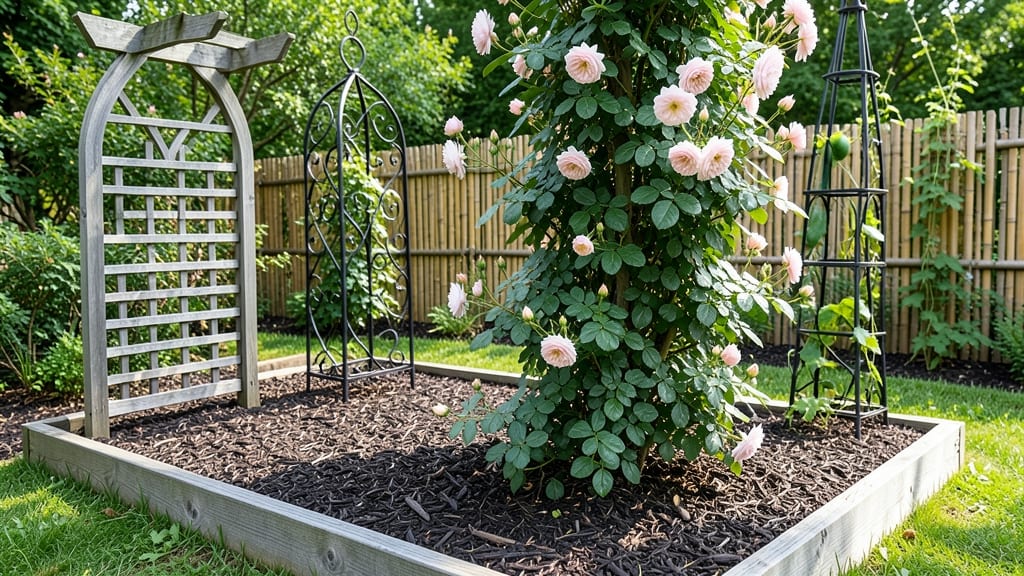
Transforming your garden bed with trellis ideas for climbing plants can double your growing space and add stunning vertical interest 🌿.
Picture this: Instead of flat, underutilized beds, you’ve got lush vines like clematis or cucumbers spiraling upward, creating a living tapestry that’s both functional and beautiful. The right trellis turns a simple garden into a layered masterpiece—without taking up extra square footage.
Whether you’re working with a small balcony or a sprawling backyard, the trellis you choose makes all the difference. From rustic wooden arbors to sleek metal obelisks, each design serves a purpose—supporting growth, guiding vines, and even protecting delicate blooms from wind or pests.
In this guide, I’ll walk you through 10 creative trellis styles, the best materials for durability, and easy DIY projects to build your own. Ready to give your garden a vertical upgrade?
10 Creative garden bed trellis designs for climbing plants
Transforming your garden bed into a vertical paradise doesn’t require fancy landscaping skills—just a little creativity and the right trellis design. Whether you’re growing cucumbers, roses, or clematis vines, these unique structures save space and add stunning visual interest.
From rustic wooden teepees to elegant metal arches, there’s a trellis style for every garden layout and plant type.
I’ve tested these designs in my own raised beds and containers, and they’ve completely changed how I utilize vertical space. The key is matching the trellis to your plant’s growth habit—whether it’s sprawling beans or delicate morning glories.
Let’s explore 10 eye-catching options that blend function with beauty, including DIY-friendly materials like bamboo, reclaimed wood, and even repurposed items.
My favorite DIY-friendly option is the teepee trellis, perfect for morning glories or
How to choose the best trellis material for your garden
Selecting the right trellis material can make or break your vertical garden's success. Each option offers unique benefits—whether you prioritize durability, aesthetic appeal, or easy installation.
Let’s break down the pros and cons of the most popular materials so you can make an informed choice for your garden bed trellis ideas.
Wood trellises are a classic choice, offering a natural look that blends seamlessly with any garden. They’re versatile for projects like arbors or lattice panels, but require regular maintenance to prevent rot or pests.
Metal trellises, on the other hand, are sturdy and long-lasting, perfect for heavy climbers like clematis or grapevines. Plastic trellises are lightweight and budget-friendly, while natural options like bamboo or willow add an organic charm.
Durability is key if you’re growing vigorous plants like pole beans or cucumbers. Metal and wood handle weight well, but plastic may bend over time. Aesthetics matter too—wood and natural materials create a rustic vibe, while metal or powder-coated options offer modern clean lines. Finally, consider ease of installation: plastic and lightweight wood are beginner-friendly, while metal may require tools.
Trellis Material Comparison
Pros:
- Natural, rustic look
- Customizable shapes
- Good for DIY projects
Cons:
- Requires sealing
- Prone to rot/pests
- Heavier to install
Pros:
- Extremely durable
- Resists pests/rot
- Modern, sleek design
Cons:
- Can get hot in sun
- May rust if uncoated
- Higher cost
Pros:
- Lightweight and affordable
- Easy to install
- Rust-proof
Cons:
- Less sturdy for heavy plants
- Can fade in sun
- Limited design options
Pros:
- Eco-friendly and biodegradable
- Adds organic texture
- Low maintenance
Cons:
- Less durable in rain
- Limited structural strength
- May attract insects
For small garden beds, lightweight plastic or bamboo trellises are ideal—they’re easy to move and perfect for fast-growing veggies like cucumbers or beans. If you’re creating a permanent feature like a garden arch, opt for metal or treated wood to ensure longevity.
Natural materials like willow work beautifully for whimsical designs, especially in cottage-style gardens.
Don’t forget to consider your climate. In humid areas, metal or plastic resists rot better than wood, while dry climates may allow for untreated wood with minimal upkeep. For coastal gardens, corrosion-resistant materials like galvanized metal or powder-coated plastic are smart choices.
My top recommendation? Start with a wooden trellis for a balance of durability and aesthetics, or choose metal for heavy climbers like clematis. For budget-friendly options, plastic or bamboo trellises offer great value without sacrificing style.
Experiment with different materials to find what works best for your space and plants! 🌿