
Tools
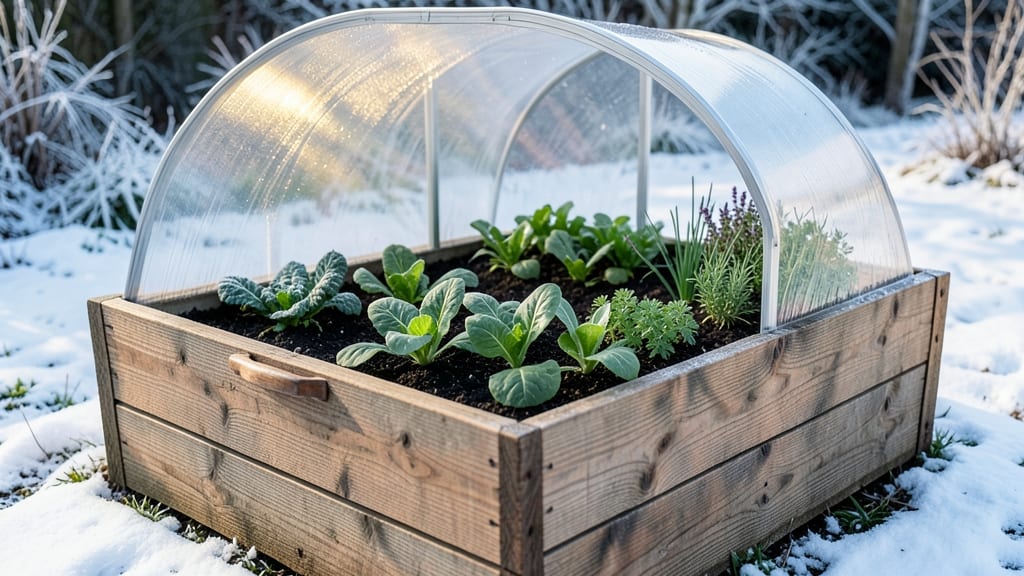
Maximize your tiny urban garden with these 10 innovative raised bed layouts designed to fit small spaces while boosting productivity. Perfect for balconies, patios, or cramped yards, these plans prove you don’t need acres to grow a thriving harvest.
Square Foot Gardening Grid System
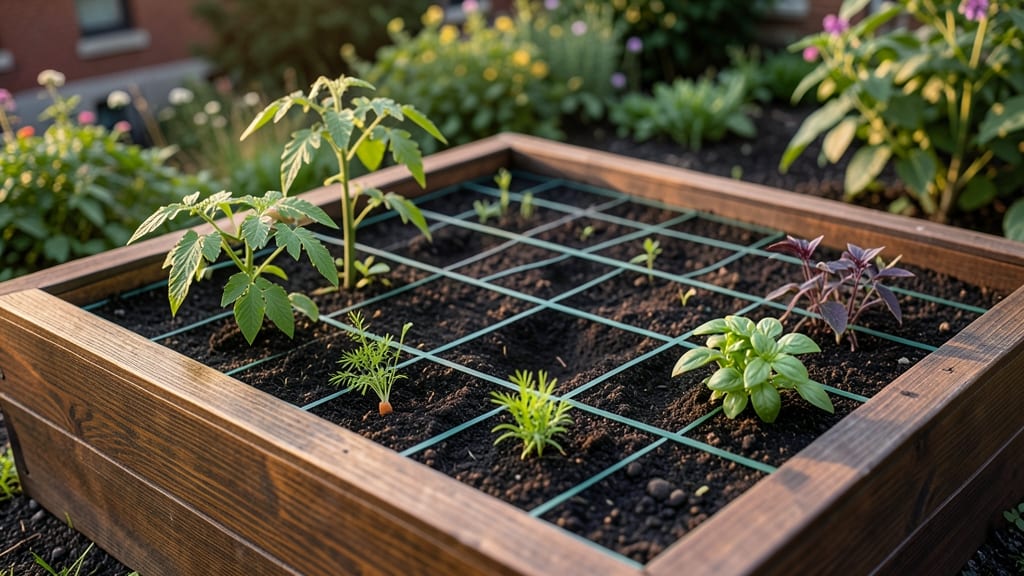
Turn your small urban garden into a high-yield powerhouse with the square foot gardening grid system, a science-backed layout that maximizes every inch of space. Developed by Mel Bartholomew, this method divides your raised bed into a grid of 12-inch squares, each hosting a specific plant based on its mature size—no wasted space or overcrowding here.
Start by marking your bed with string or wooden stakes to create a grid. Place one plant per square (e.g., 16 carrots, 1 tomato, or 9 lettuces), following a pre-made planting diagram tailored to your bed’s size. This system reduces water waste, minimizes pests, and ensures every plant gets optimal sunlight and nutrients. Perfect for beginners or those with limited space, it’s the ultimate solution for growing more in less room. 🌱
Vertical Herb Tower Layout
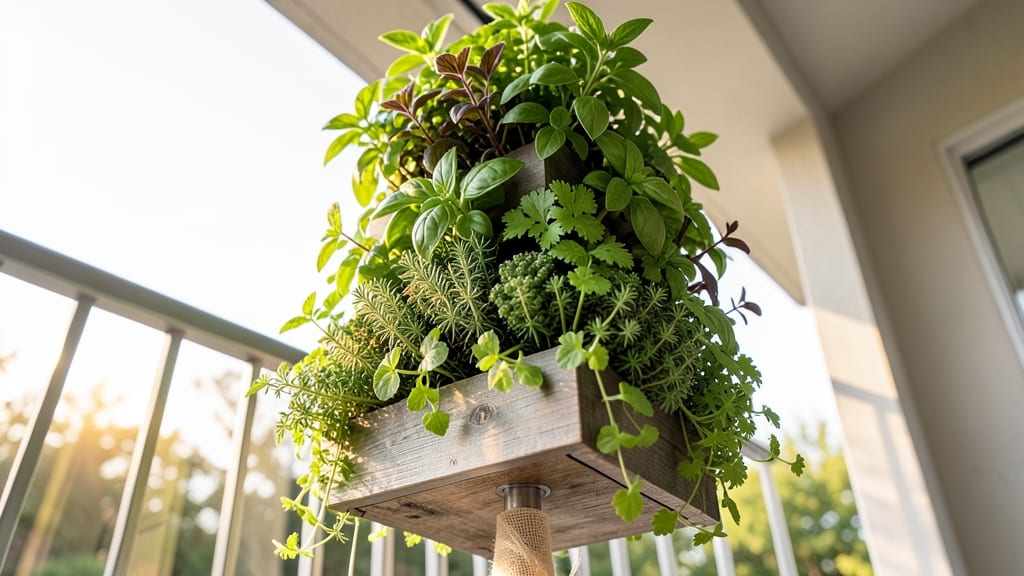
Turn your tiny balcony or kitchen corner into a fragrant herb haven with a vertical herb tower—the ultimate solution for gardeners with limited floor space but plenty of sunlight. These tiered or hanging designs let you grow basil, thyme, parsley, and mint in a compact footprint, while keeping fresh herbs within arm's reach for cooking.
Most towers use fabric pockets, plastic pockets, or wooden tiers spaced 6-12 inches apart to accommodate different root depths. Place yours in a south-facing window or balcony where it gets at least 6 hours of direct sun daily. Water from the top, letting excess drain to the next level—just avoid overwatering, as herbs in pockets dry out faster than traditional beds.
This layout is perfect for urban apartment dwellers or anyone who wants to simplify their gardening routine. With minimal maintenance and maximum flavor, you’ll never need to buy herbs again! 🌿
Spiral Vegetable Garden Design
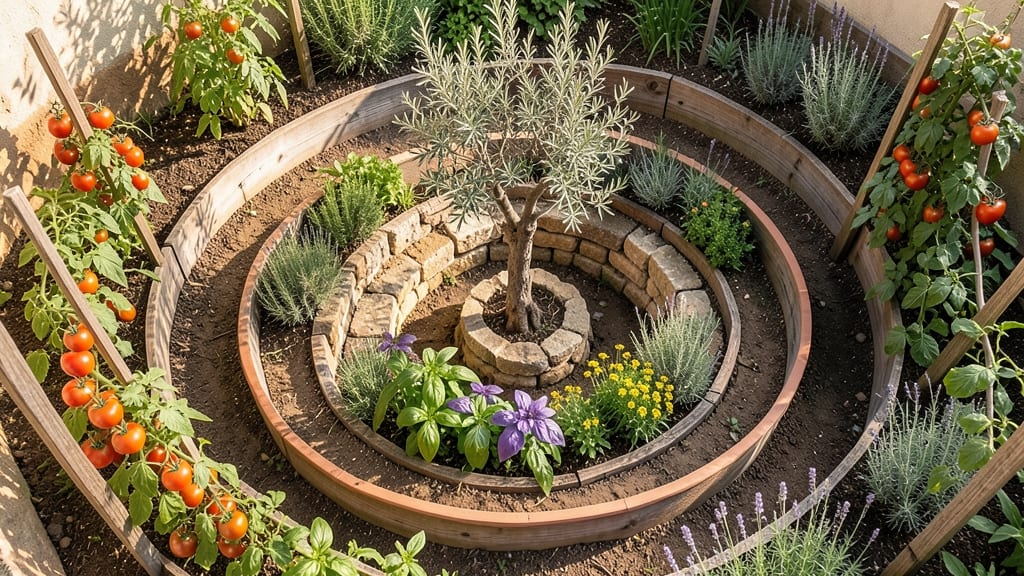
Transform your small garden into a Mediterranean paradise with a spiral vegetable garden design—a space-efficient layout that mimics ancient agricultural traditions while fitting seamlessly into modern urban spaces. This circular design allows you to grow everything from sun-worshipping tomatoes to shade-loving lettuce in a single, compact bed by leveraging natural temperature gradients.
Start by building a raised bed in a spiral shape, with the center receiving the most sunlight and the outer edges offering cooler, shadier conditions. Place heat-loving crops like peppers and eggplants near the center, while cool-season greens and herbs thrive in the outer rings. Use a mix of organic mulch and stone borders to define the concentric circles and retain moisture. This layout is perfect for gardeners with limited space who want to grow a diverse harvest without sacrificing aesthetics.
Urban gardeners and small-space enthusiasts will love this design—it’s not only beautiful but also low-maintenance and highly productive. Plus, the spiral shape adds a striking focal point to any garden. 🌻
Keyhole Garden Bed Layout
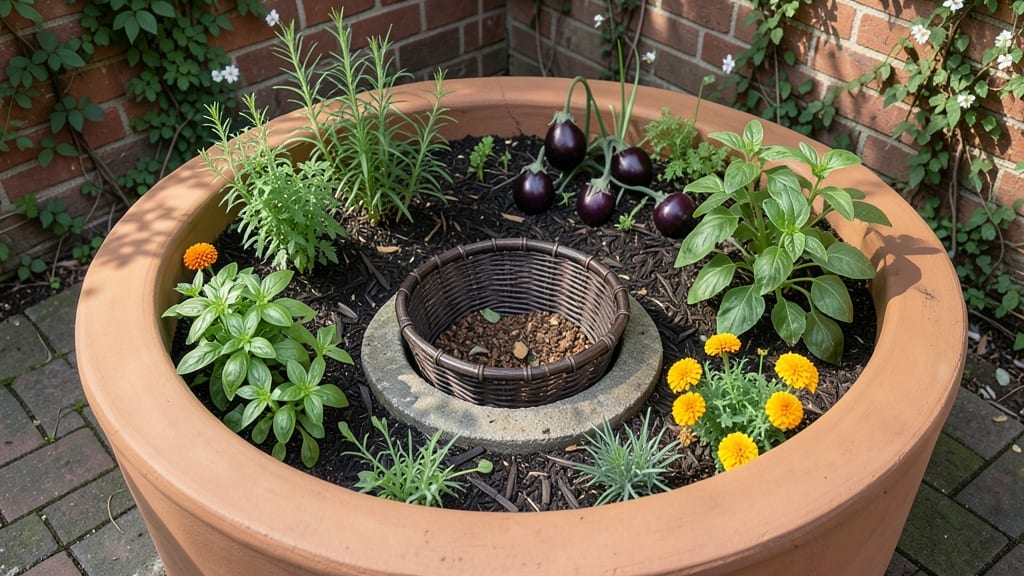
Bring the ingenuity of African permaculture to your urban garden with a keyhole garden bed, a circular design that marries beauty with self-sufficiency. Unlike traditional raised beds, this layout features a central compost basket that continuously feeds nutrients to surrounding plants, reducing the need for frequent fertilizing and creating a closed-loop system perfect for small spaces.
Build your keyhole bed by constructing a circular frame (4-5 feet in diameter) with a compost basket in the center. Fill the basket with kitchen scraps, grass clippings, and brown materials like leaves or straw. Surround it with a mix of fast-growing crops like lettuce, radishes, and carrots, while taller plants like tomatoes or beans can grow around the perimeter. Water through the compost basket—nutrient-rich "tea" seeps outward, nourishing roots without extra effort.
This layout is a game-changer for urban gardeners with limited space or time, as it eliminates fertilizing chores while producing abundant harvests. Plus, the circular shape adds a striking focal point to any garden. 💚
Tiered Salad Table Planter
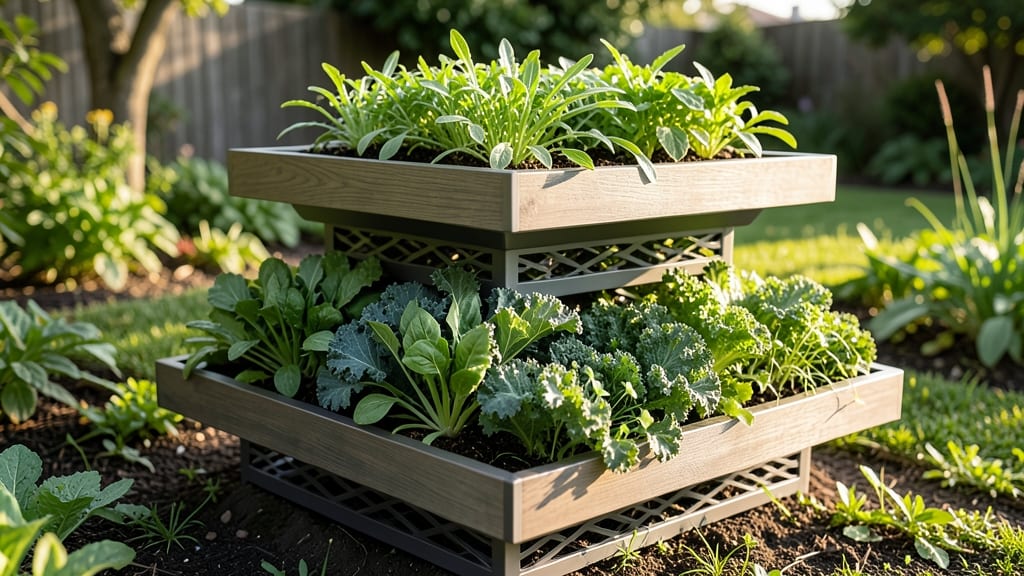
Transform your kitchen or patio into a fresh salad bar with a tiered salad table planter, the perfect solution for growing leafy greens and microgreens in a compact, stylish design. This multi-level system lets you cultivate arugula, spinach, kale, and microgreens in layers, making the most of vertical space while keeping your favorite greens just steps away from your meals.
Choose a table with three to five tiers, spaced 6-12 inches apart to accommodate different plant heights. Fill each level with a well-draining potting mix and plant fast-growing greens like lettuce on the top tier (where it gets the most light) and slower-growing kale on the bottom. Add a drip irrigation system or water from the top to keep moisture consistent, and harvest as needed—no need to wait for a full season to enjoy fresh greens!
This design is ideal for urban gardeners, apartment balconies, or anyone who loves fresh salads but has limited space. With its built-in convenience and eye-catching design, it’s the ultimate way to grow your own greens without sacrificing counter space. 🌿
Companion Planting Grid for Pest Control
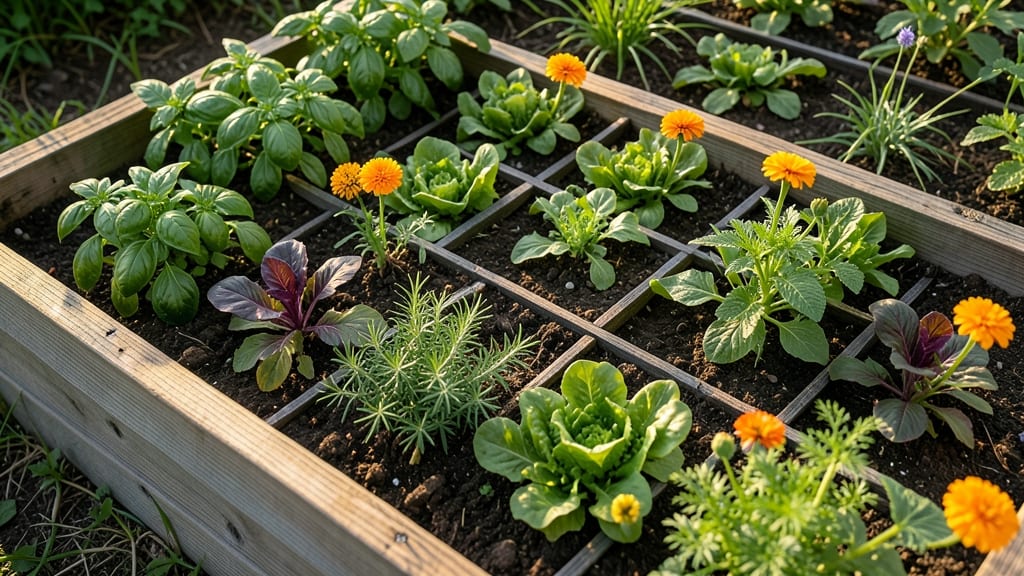
Say goodbye to chemical pesticides and hello to a thriving, pest-free garden with a companion planting grid—a clever layout that pairs plants to naturally repel insects while maximizing every inch of your raised bed. This isn’t just about aesthetics; it’s a strategic defense system where marigolds deter aphids near peppers, and basil shields tomatoes from whiteflies, all while saving space.
Start by mapping your bed in rows or blocks, alternating pest-repelling plants (like nasturtiums or dill) with vulnerable crops (such as cucumbers or brassicas). For example, plant one row of basil between tomato plants to improve flavor and deter hornworms. Add fragrant herbs like thyme or rosemary along edges to keep crawling pests at bay. This method works especially well in 4x8-foot raised beds, where you can fit multiple companion pairs without overcrowding.
Perfect for urban gardeners and beginners, this layout reduces pest pressure while teaching you which plants thrive together. Plus, the visual contrast of flowers and veggies makes your garden both productive and beautiful. 🌟
Window Box Herb Garden Layout
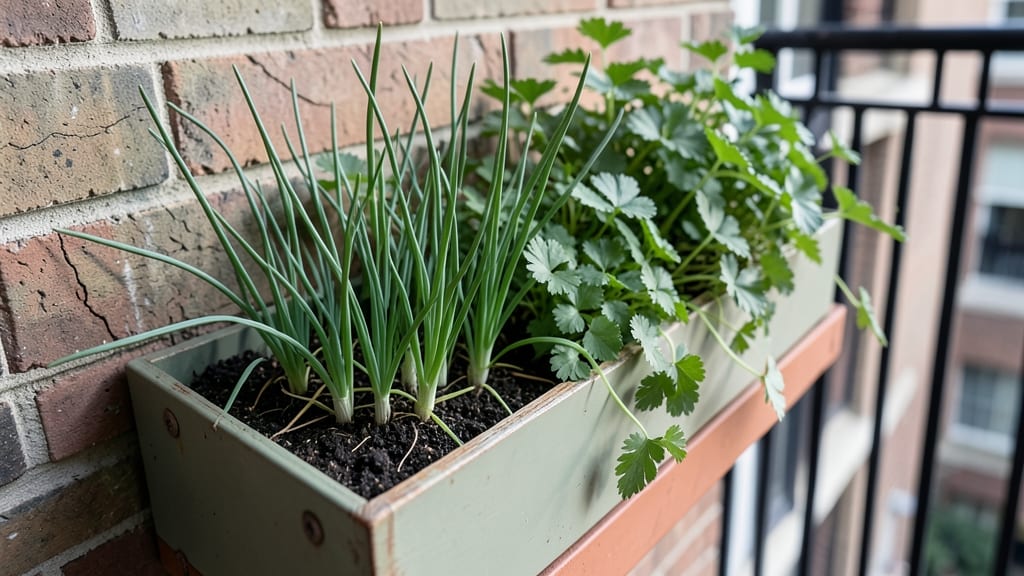
Bring fresh flavors to your kitchen without sacrificing precious space with a window box herb garden layout—the perfect solution for urban balconies, windowsills, or railings. These narrow, elongated beds transform overlooked corners into fragrant, functional green spaces, ideal for chives, parsley, and cilantro, which thrive in shallow soil depths.
Choose a 6-12 inch deep window box to accommodate most herbs, ensuring proper drainage with holes in the bottom. Place yours where it gets at least 6 hours of direct sunlight daily, ideally near a south- or west-facing window. Group herbs by sunlight needs—parsley and cilantro can handle partial shade, while chives and basil crave full sun. Water lightly but frequently, as window boxes dry out faster than ground-level beds.
This layout is ideal for apartment dwellers, city gardeners, or anyone craving instant freshness—just snip what you need for cooking and watch your herbs regrow in no time. 🌿
Modular Raised Bed Puzzle System
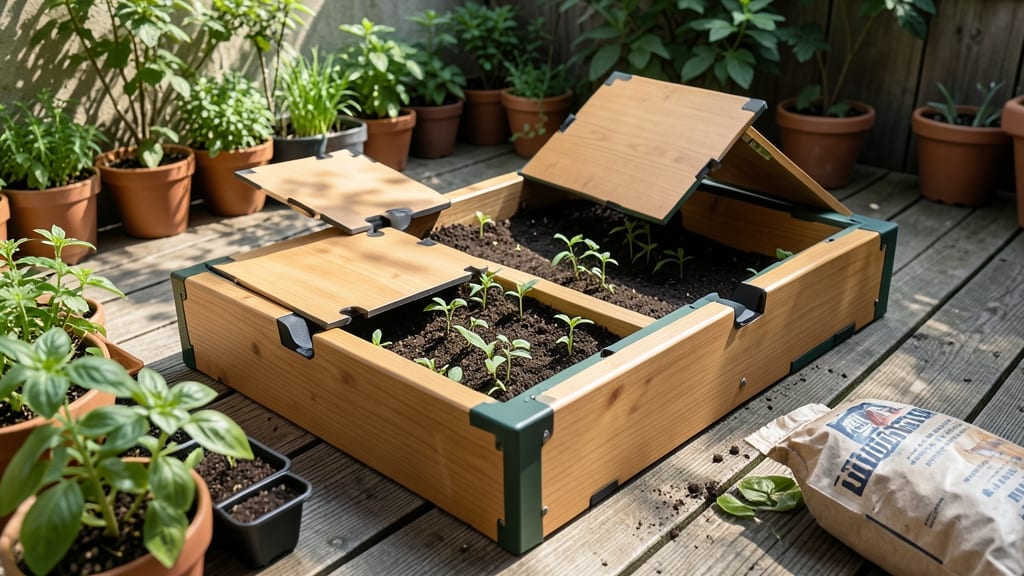
Say goodbye to static garden layouts with a modular raised bed puzzle system, where your growing space adapts as easily as your planting plans. These interlocking sections—think square or rectangular panels with built-in connectors—let you rearrange your entire bed in minutes, whether you're rotating crops to prevent disease or shifting sun-loving plants toward morning light while moving shade-tolerant varieties to cooler spots.
Most systems use cedar or composite wood panels with snap-together edges, creating a customizable grid that expands or contracts as needed. Plant heavy feeders like tomatoes or squash in the sunniest sections one season, then swap them with leafy greens or herbs the next when sunlight shifts. The modular design also makes it easy to add or remove sections if your garden space changes—ideal for renters or gardeners with evolving needs.
This flexible approach is perfect for urban gardeners with limited space or anyone tired of rigid planting schemes. With no permanent borders to constrain you, your garden can evolve just as your plants do—without the hassle of rebuilding. ✨
Hanging Pocket Vegetable Garden
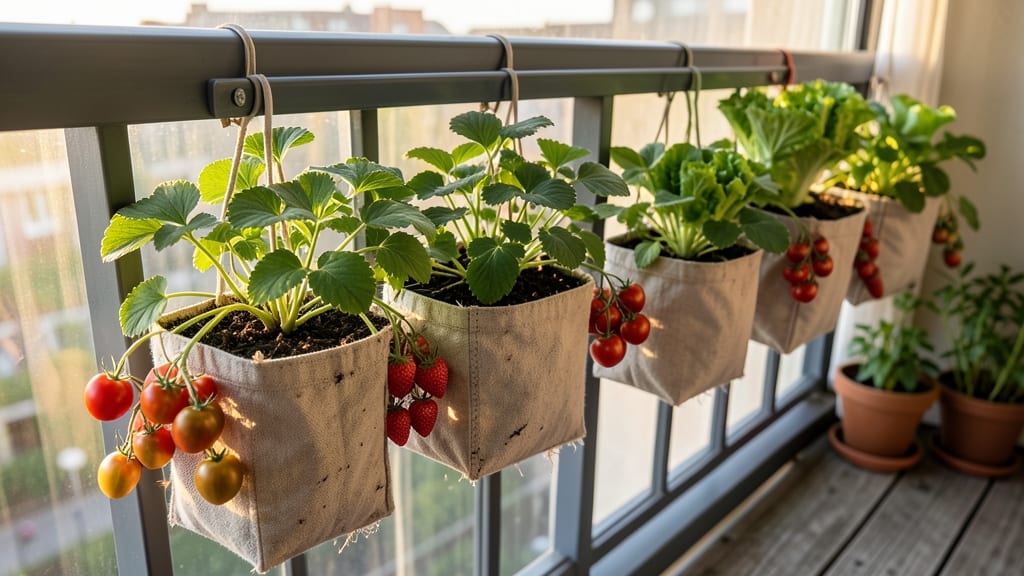
Turn your balcony or patio into a lush harvest zone with a hanging pocket vegetable garden, the perfect solution for growing trailing plants like cherry tomatoes, strawberries, and lettuce without sacrificing floor space. These lightweight, fabric-lined pockets suspend from racks or railings, letting vines cascade beautifully while keeping roots contained and soil retention high.
Choose deep pockets (10-12 inches) for tomatoes and shallower ones (6-8 inches) for lettuce or herbs. Hang them where they get 6+ hours of sunlight daily, and water through the top—excess drains to the next pocket below, reducing waste. For extra productivity, mix fast growers like radishes with slower climbers such as strawberries, ensuring a continuous harvest throughout the season.
This layout is ideal for urban gardeners, renters, or anyone with limited ground space—it’s easy to install, mobile, and lets you grow fresh produce just steps from your kitchen. Plus, the cascading greens add a stunning vertical element to any outdoor space. 🌱
Mini Greenhouse Raised Bed Hybrid

Cold climates shouldn’t stop you from gardening year-round—this mini greenhouse raised bed hybrid combines the best of both worlds: the portability of a raised bed with the season-extending power of a greenhouse. Whether you're growing leafy greens in winter or herbs during early spring, this compact design lets you harvest fresh produce even when frost is on the ground.
Start with a standard raised bed (2x4 feet is ideal for small spaces) and top it with a clear plastic dome or hoop house made from PVC pipes and greenhouse plastic. Choose cold-hardy crops like kale, spinach, or radishes for winter, and swap them out for tomatoes or peppers in spring. Ventilate daily to prevent overheating, and use black plastic mulch in summer to retain heat. This setup works especially well on patios or balconies where space is tight but sunlight is available.
Perfect for urban gardeners with limited outdoor space, this hybrid lets you grow food almost year-round without the bulk of a traditional greenhouse. It’s also beginner-friendly—just add soil, plants, and a clear cover to start extending your growing season today! ✨