
Landscaping
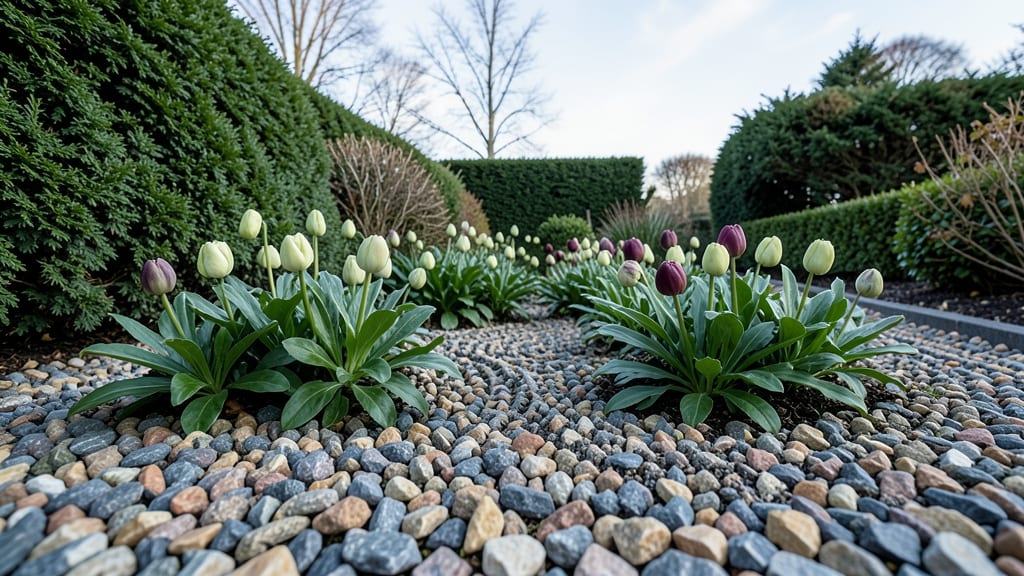
Transform your garden into a low-maintenance, pollinator paradise with these gravel flower bed designs. These textured layouts reduce weeds, conserve water, and create stunning visual contrast while supporting bees, butterflies, and beneficial insects year-round.
Drought-Tolerant Succulent Gravel Garden
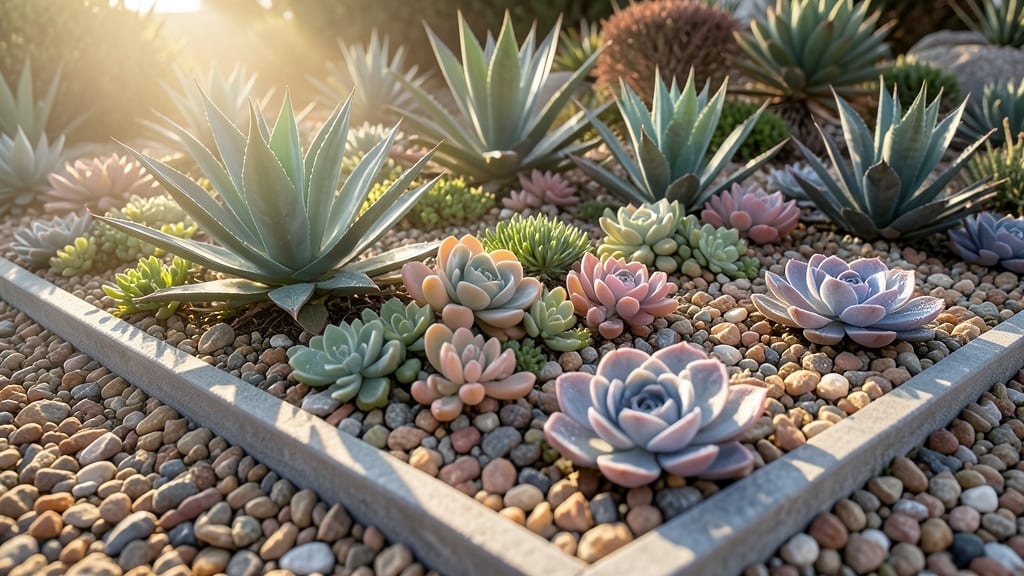
If you live in a hot, dry climate and want a garden that practically takes care of itself, a drought-tolerant succulent gravel garden is your answer. This low-water design combines the bold textures of agave, sedum, and echeveria with decorative gravel to create a striking, sun-loving bed that thrives on neglect while luring in pollinators.
Start by layering 3-4 inches of gravel over landscape fabric to suppress weeds, then nestle succulents in terracotta pots or directly into the gravel. The key is spacing plants 8-12 inches apart to allow airflow and prevent rot. Water deeply once every 2-3 weeks (or when the gravel looks dry), and watch as your bed stays vibrant with almost no effort. The gravel also reflects sunlight, keeping roots cool in scorching summers.
This design is perfect for urban gardeners with limited time or anyone craving a modern, desert-inspired look that still supports local wildlife. Plus, the year-round structure means your garden stays beautiful even when other plants fade. 🌻
Wildflower Meadow Gravel Border
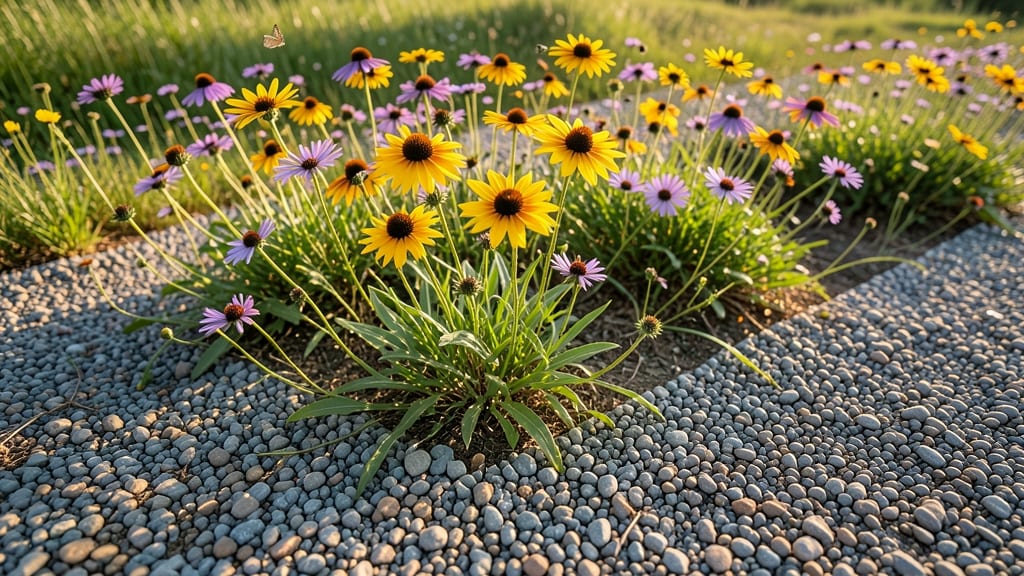
Skip the lawnmower and fertilizers—this wildflower meadow gravel border turns your garden into a buzzing ecosystem without the upkeep. Native perennials like black-eyed Susans and coneflowers thrive in pea gravel, creating a low-water, no-mow haven for pollinators while adding soft color to your landscape.
Start by edging your bed with landscape fabric to block weeds, then layer 1-2 inches of pea gravel for drainage. Plant wildflower seeds in early spring or fall, choosing species native to your region for the best results. The gravel suppresses weeds naturally while allowing rainwater to reach roots—perfect for drought-prone areas.
This design is ideal for eco-conscious gardeners who want beauty without chemicals or maintenance. Watch as bees, butterflies, and hummingbirds flock to your garden, turning it into a thriving pollinator oasis. 🌻
Stepping Stone Pathway Flower Bed
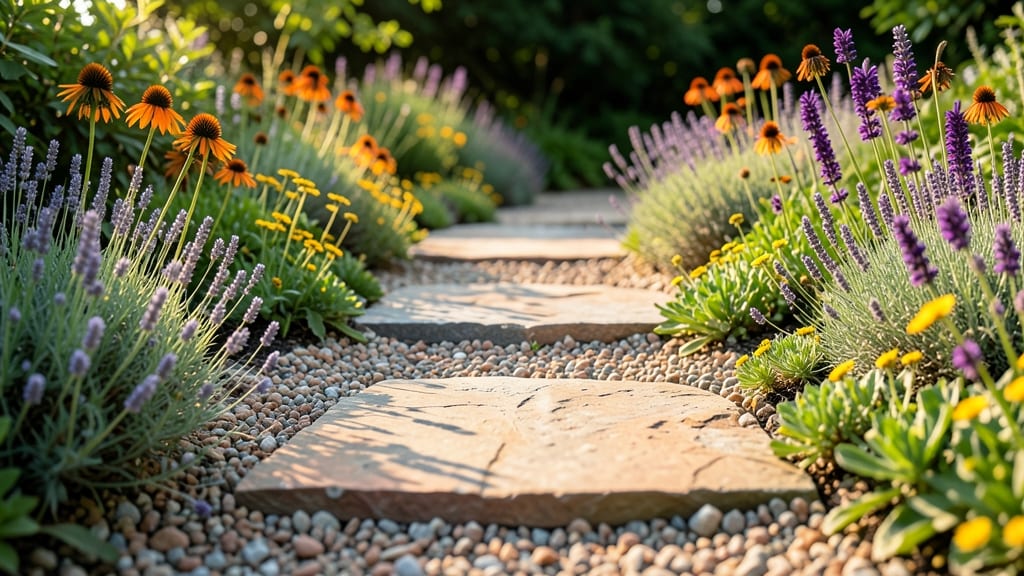
Turn your garden path into a vibrant pollinator paradise with a stepping stone pathway flower bed—where every step invites you deeper into a blooming oasis. This design blends rustic charm with practicality, using gravel as a base to frame your walkway while surrounding it with seasonal blooms that keep the space lively from spring to frost.
Start by laying stepping stones (concrete, slate, or natural flagstone) along your desired path, spacing them 12-18 inches apart for easy walking. Fill the gaps with sharp-edged gravel (like decomposed granite) to deter weeds while allowing rainwater to drain efficiently. Flank the path with marigolds (for summer color and pest control) and pansies (hardy enough for early spring or fall). For year-round interest, add evergreen shrubs like boxwood at the edges.
This design is perfect for gardeners who want to reduce muddy paths while creating a welcoming entrance or connecting different garden zones. Plus, the gravel and flowers work together to support pollinators—bees and butterflies will follow the nectar trail right to your doorstep! 🌻
Rocky Alpine Garden with Perennials
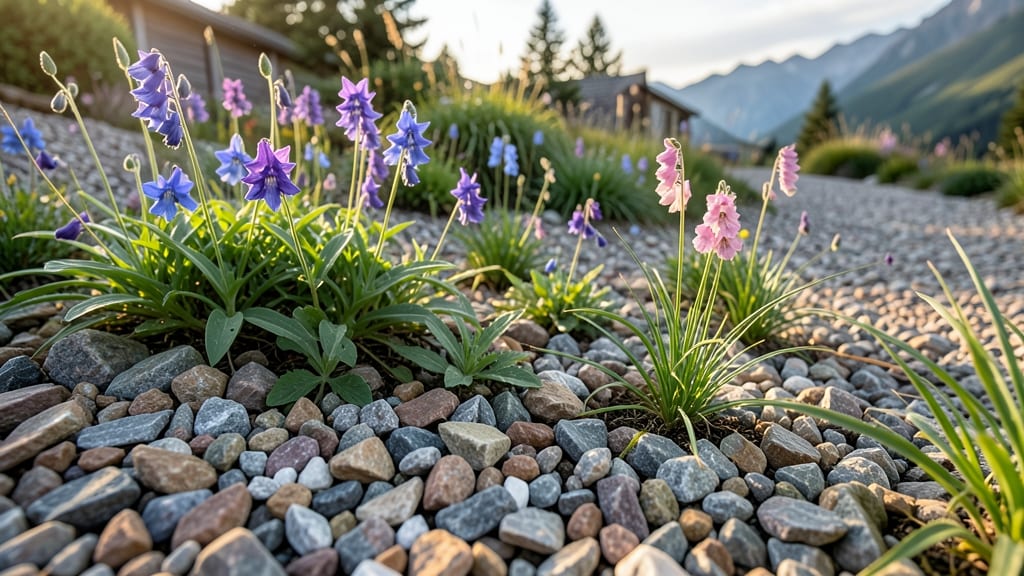
Bring the drama of mountain meadows to your backyard with a rocky alpine garden that thrives on neglect. This design mimics rugged high-altitude landscapes by pairing columbine and penstemon with coarse gravel, creating a striking, low-maintenance bed that supports rare pollinators like bumblebees and hummingbirds.
Start by layering sharp-edged river rocks (1-3 inches) over landscape fabric to suppress weeds while allowing water drainage. Plant perennials in clusters among the rocks, ensuring their roots sit slightly above the gravel to prevent rot. For best results, choose full sun to partial shade locations—these plants naturally grow in rocky crevices where soil drains quickly.
Gardeners in cooler climates will love this design, as alpine perennials often bloom earlier in spring and handle frost better than many other gravel bed plants. The rugged texture also adds visual interest to modern or cottage-style gardens. 🌷
Modern Geometric Gravel Planters
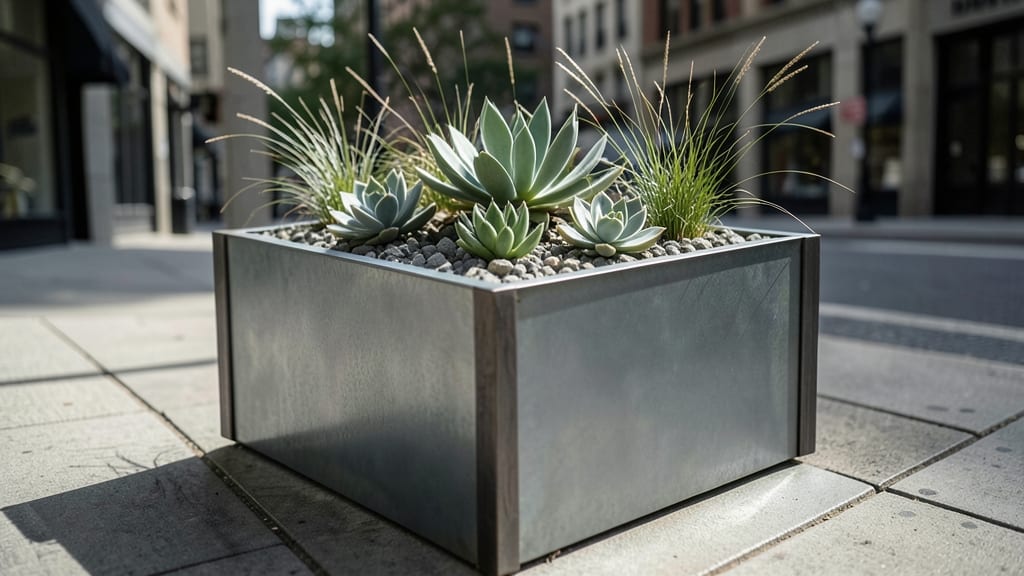
Tired of traditional rounders and curvy borders? Modern geometric gravel planters bring sharp angles and clean lines to urban spaces, transforming concrete jungles into striking garden statements. These beds use angular metal or wood frames filled with gravel and drought-tolerant plants to create a contemporary look that’s as functional as it is fashionable.
Start with lavender for its fragrant purple spikes and ornamental grasses like fountain grass or blue fescue for movement and texture. Use crushed granite or white pebbles for contrast against dark planters, and keep the gravel depth at 3-4 inches to prevent weeds while allowing roots to breathe. For extra drama, pair with succulents like hens-and-chicks for a pop of color.
This design is perfect for small balconies, rooftop gardens, or city courtyards where space is limited but style isn’t. The low-maintenance gravel reduces watering needs while the structured shapes elevate any urban landscape. 💡
Butterfly Bush Gravel Oasis
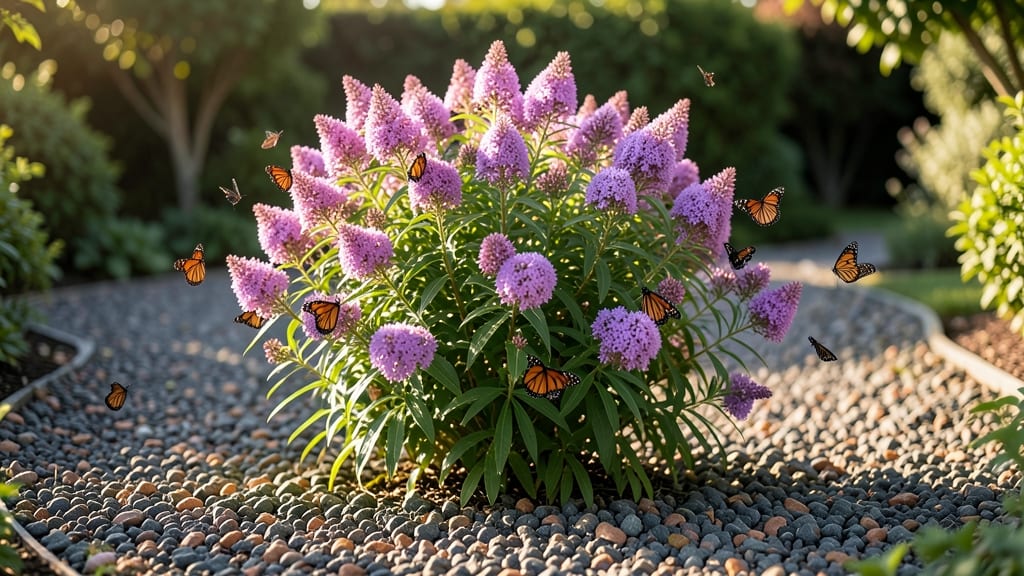
Watch your garden transform into a butterfly buffet with this low-maintenance gravel oasis designed around butterfly bushes (Buddleia). This vibrant centerpiece thrives in full sun while requiring minimal watering, making it perfect for busy gardeners who still want to support pollinators.
Start by planting butterfly bush varieties like 'Black Knight' or 'Lo & Behold® Blue Chip' in well-draining soil, then surround the base with 3-4 inches of small gravel (like decomposed granite or river rocks). The gravel reflects sunlight, warming the roots while suppressing weeds. Pair with neighborhood-friendly perennials like coneflowers or milkweed to extend the feeding season from early summer through fall. Just be sure to prune back stems in late winter to encourage fresh growth.
This design is ideal for urban yards, pollinator gardens, and small spaces—it delivers instant impact with low upkeep while turning your garden into a butterfly hotspot. 🌻
Edible Herb Gravel Garden
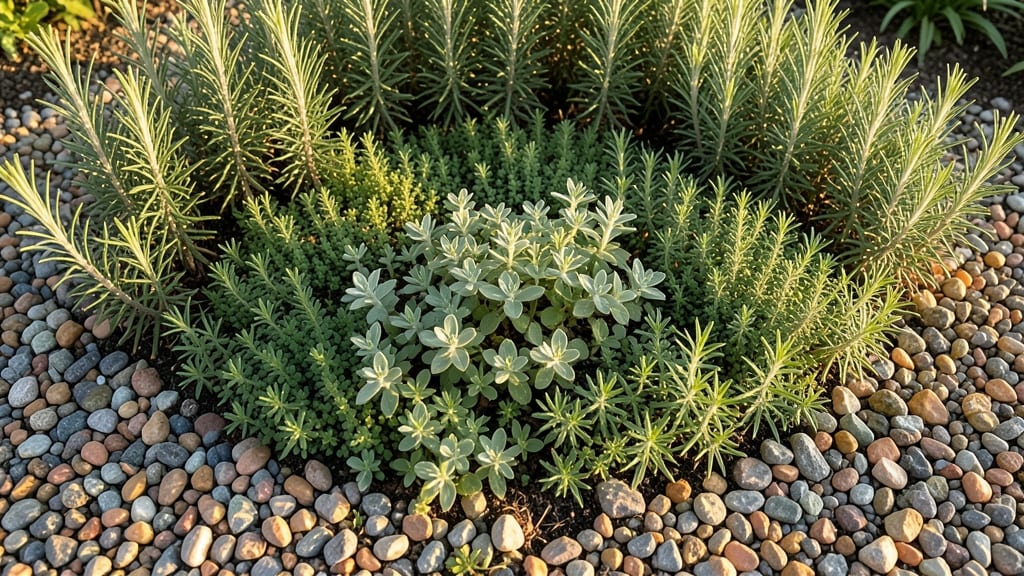
Turn your kitchen garden into a dual-purpose masterpiece with an edible herb gravel garden—where culinary delights meet low-maintenance beauty. This design marries rosemary, thyme, and oregano with decorative gravel to create a fragrant, weed-suppressing bed that’s as practical as it is pretty.
Start by layering 3-4 inches of gravel over a weed barrier cloth, then plant your herbs in clusters, leaving space for their woody stems to spread. The gravel retains moisture near roots while keeping weeds at bay. For best results, choose sun-loving herbs like rosemary (6+ hours of sun) and thyme (full sun to part shade), and water deeply but infrequently—once a week in summer, less in cooler months. The gravel’s reflective surface also keeps roots cooler during heatwaves.
This garden is perfect for urban balconies, kitchen windows, or small yards—giving you instant access to fresh herbs while adding texture and color to your outdoor space. Plus, the year-round greenery ensures your garden stays vibrant even when other plants fade. 🌱
Japanese Zen Gravel Garden
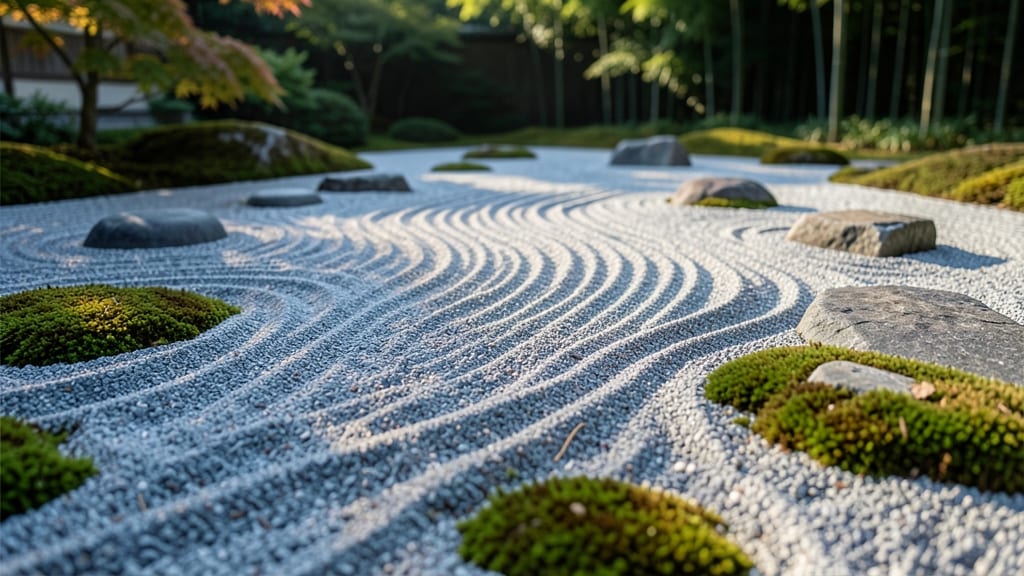
Looking for a garden space that feels like a peaceful retreat without the upkeep of traditional flower beds? A Japanese Zen gravel garden brings the tranquility of a temple courtyard to your backyard, using only raked gravel, moss, and stones to create a meditative focal point.
Start with a base layer of coarse gravel (like decomposed granite) to prevent weeds, then add patches of moss for soft texture and a few carefully placed flat stones in asymmetrical groupings. The key is the raking—use a fine-toothed rake to create gentle ripples that mimic water, evoking the soothing sound of waves. This design thrives in partial shade and requires no plants, yet still attracts beneficial insects like ladybugs and lacewings that hide beneath the stones.
Perfect for gardeners who crave serenity over maintenance, this design works beautifully in small urban courtyards or as a focal point in larger gardens. It’s also an eco-friendly choice that reduces water use while supporting local ecosystems. 🌿
Pollinator Superhighway Gravel Bed
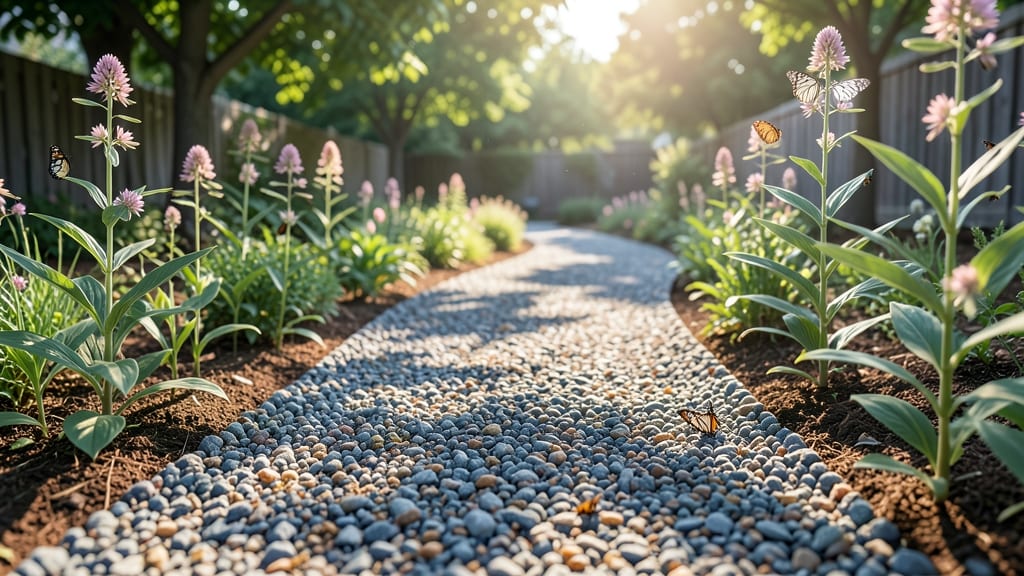
Turn your backyard into a pollinator lifeline with this game-changing gravel design. Unlike traditional beds, this continuous gravel path acts as a migration corridor, guiding bees and butterflies through urban areas while adding striking texture to your landscape.
Plant milkweed (for monarchs), bee balm (a hummingbird favorite), and goldenrod (late-season nectar) along the edges, spaced every 3-4 feet. Use coarse gravel (3/8" to 1/2") for drainage and weed suppression, while keeping the path wide enough (2-3 feet) for pollinators to navigate. This design thrives in full sun and requires only seasonal pruning to maintain shape.
Perfect for urban gardeners and eco-conscious homeowners, this low-maintenance solution transforms neglected spaces into thriving ecosystems. Watch your garden become a buzzing hub of activity! 🌻
Winter Interest Gravel Garden

Cold winters don’t have to mean a blank garden canvas—this winter interest gravel garden brings structure and color even when other plants sleep. By pairing evergreen boxwood and hellebore (the "Christmas rose") with decorative gravel, you create a year-round focal point that thrives in Zone 4 and below while providing shelter for overwintering pollinators.
Start with a 3-4 foot diameter bed lined with landscape fabric to prevent weeds. Plant boxwood at the edges for a tidy frame, then tuck hellebores in the center—their nodding flowers bloom in late winter, offering early nectar for bees. Use light-colored gravel (like quartzite) to reflect winter sunlight and enhance the evergreen contrast. Mulch with a 2-inch layer of coarse gravel to insulate roots and suppress weeds.
This design is ideal for gardeners in snowy climates who want low-maintenance beauty without sacrificing pollinator support. The gravel’s reflective surface also reduces ice buildup on foliage, keeping your garden healthy and striking through frost and thaw. ✨