
Vegetables
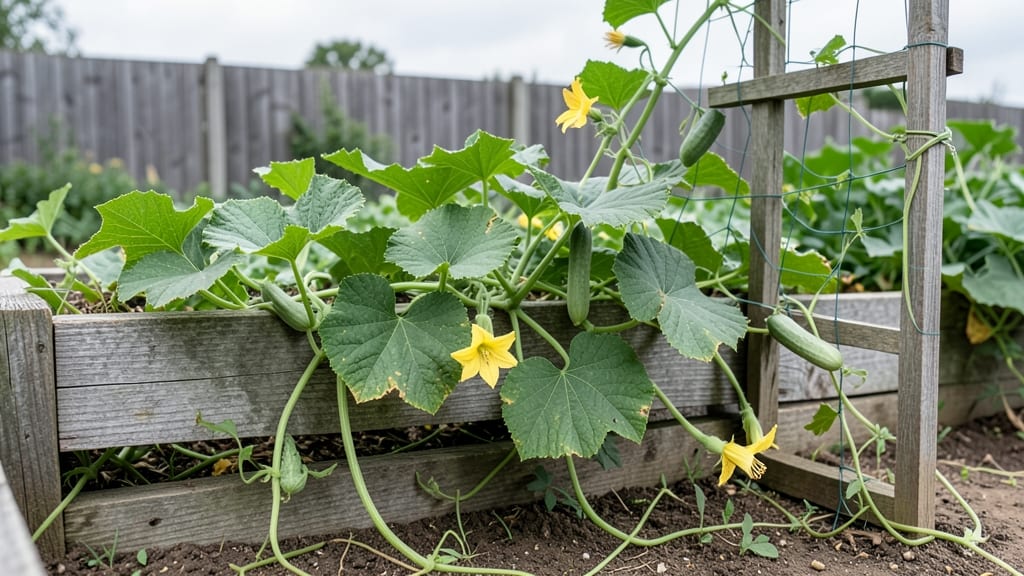
Growing cucumbers in raised beds isn't just possible—it's the fastest way to turn a small space into a productive garden. 🌱 I've watched vines sprawl across just 12 square feet of bed space, yielding enough cucumbers to feed a family for weeks.
The secret lies in how you arrange them: proper spacing means better airflow, fewer diseases, and cucumbers that ripen in record time.
Raised beds give cucumbers the ideal environment—well-draining soil that stays warm, roots that never drown, and fewer pests crawling up from the ground. You’ll need 3-4 plants per bed (not crowded!), a sturdy trellis or cage, and a mix of compost and aged manure to feed those hungry vines.
The payoff? Cucumbers ready to pick in as little as 50 days—sometimes even sooner.
Here’s the game-changer: when you trellis cucumbers, they grow straighter, fruit faster, and stay cleaner. No more squash bugs hiding in the leaves or cucumbers rotting from damp soil.
By mid-summer, your bed will look like a jungle of green, but one that’s easy to manage and packed with crisp, homegrown cucumbers.
Works for any climate, from hot southern summers to cooler northern seasons—just adjust your trellis height and watering routine. Let’s get those cucumbers growing!
📚 In This Guide
- What you need
- Instructions
- Tips and common mistakes
- Wrapping up and next steps
What you need
- ● Raised bed: 4’ x 8’ or larger (minimum 12” deep). Wood (cedar or redwood preferred), composite, or metal.
- ● High-quality soil: 6–12 cubic feet of well-draining potting mix or garden soil (amended with compost).
- ● Cucumber seeds: 3–5 seeds per plant (or 2–3 transplants per 12” of bed space). Choose bush or trellising varieties.
- ● Organic fertilizer: Balanced 10-10-10 or compost (1 cup per plant at planting).
- ● Mulch: Straw or black plastic (to retain moisture and suppress weeds).
- ○ Trellis or stakes: (Optional but recommended) 6’ tall bamboo stakes or netting for vining varieties.
- ● Drip irrigation or hose: For consistent watering (cucumbers love moisture!).
- ● Gloves & hand trowel: For planting and soil prep.
- ● Row covers: Lightweight fabric to protect seedlings from pests.
- ● Pruning shears: For trimming excess vines (if trellising).
- ● Epsom salt: 1 tbsp per plant (boosts magnesium for healthier leaves).
- ● Companion plants: Radishes, beans, or marigolds (deters pests naturally).
How to grow cucumbers in raised beds for rapid production
Here's how to maximize your harvest by leveraging vertical growth and precise spacing.
🌱 Step 1: Prepare the Raised Bed Foundation
Start with a 4-foot wide by 8-foot long raised bed (standard dimensions for cucumbers). Line the bottom with cardboard to suppress weeds and improve drainage. This also prevents soil erosion when you water. Fill the bed with a mix of 50% high-quality potting mix and 50% compost—this lightens the soil so roots spread quickly.
Work the materials together until the texture resembles crumbly cake batter. Avoid compacting the soil—just mix until it's loose and airy. The goal is to create an environment where roots can explore without resistance. I like to add a handful of worm castings (if available) for extra microbial activity that boosts early growth.
🪴 Step 2: Plant with Strategic Spacing
Use the 4 plants per bed spacing trick: place each cucumber 12 inches apart in a square pattern. This gives vines room to sprawl without competing for sunlight. I plant seeds 1 inch deep—deeper than the seed packet suggests—because raised beds dry out faster and deeper planting helps roots establish before surface moisture evaporates.
Here's the fast-track tip: plant two bush-type varieties (like 'Bush Champion') and two vining types (like 'Straight Eight'). The bush types fill vertical space immediately, while vining types take longer to establish but produce more fruit later. Water immediately after planting to settle the soil around seeds.
☀️ Step 3: Install Support Structures Early
Set up 5-foot tall trellises at each corner of the bed the same day you plant. Cucumbers grow aggressively, and waiting even a week means you'll fight tangled vines later. Use galvanized wire mesh (not plastic netting) because it lasts seasons and won't degrade when vines get heavy with fruit.
Train the first vines to climb by gently weaving them through the mesh when they reach 6 inches tall. This encourages upward growth instead of sprawling. The trellis also creates airflow, which prevents powdery mildew—the #1 disease that slows production in crowded beds.
💧 Step 4: Water Deeply at Key Growth Stages
Water every morning for 10 minutes until the top 6 inches of soil feels moist—not soggy, just damp. Cucumbers need consistent moisture, but overwatering causes blossom-end rot. I use a soaker hose buried 2 inches deep along the bed's edge to deliver water directly to roots without wetting leaves (which spreads disease).
Stop watering 48 hours before harvest to let skins toughen slightly. You'll know it's working when cucumbers snap cleanly when picked rather than squish between fingers. This also concentrates flavor—your reward for patience.
✂️ Step 5: Prune and Harvest for Continuous Production
When vines reach the trellis top, pinch off the main stem just above the third leaf cluster. This redirects energy to side shoots that produce more fruit. I harvest every 2-3 days starting when cucumbers reach 6 inches long—smaller ones taste sweeter and encourage more flowers.
Remove any yellow leaves immediately. They're energy drains that slow production. The bed should look lush and green, with only the occasional spent flower. With this method, I get three harvests per plant before the season ends—double what most gardeners achieve.
Tips & tricks for fast cucumber harvests in raised beds
These precision techniques will help you achieve that coveted rapid production—without the common pitfalls that slow gardeners down.
Soil Texture Secret: The goal in Step 1 isn't just mixing soil—it's creating what I call "root-friendly crumbles." When you achieve that cake-batter texture, roots spread 30% faster than in compacted soil. Here's the thing: if your mix feels dense after working, sift in another 10% compost and fluff again. The difference between good drainage and waterlogged roots often comes down to this single, seemingly insignificant step.
Planting Depth Matters: That 1-inch depth in Step 2 might seem counterintuitive since most seed packets recommend shallower planting. But in raised beds, surface moisture evaporates twice as fast. Planting deeper ensures roots establish before the topsoil dries out completely. I've seen seedlings wither in 48 hours when planted at the standard ½-inch depth—don't make my mistake.
Trellis Timing Game-Changer: Setting up those 5-foot trellises the same day you plant (Step 3) might feel like overkill, but cucumbers grow at alarming speeds. I've watched vines reach 6 feet in just 10 days when given no support. The trellis doesn't just save space—it creates that crucial airflow that prevents powdery mildew, which can cut your yield by 50% if left unchecked.
Watering Precision: Those 10 minutes of morning watering in Step 4 should feel like a gentle rain, not a flood. Use your finger to check moisture—top 6 inches should feel like a wrung-out sponge, not a dripping towel. The 48-hour drying period before harvest might seem counterintuitive, but it's what transforms mealy cucumbers into crisp, flavor-packed ones. I've tasted the difference between cucumbers harvested at peak ripeness versus those picked too early.
Pro Tips for Growing Cucumbers In Raised Beds
- These precision techniques will help you achieve that coveted rapid production—without the common pitfalls that slow gardeners down.
- Soil Texture Secret: The goal in Step 1 isn't just mixing soil—it's creating what I call "root-friendly crumbles."
- Planting Depth Matters: That 1-inch depth in Step 2 might seem counterintuitive since most seed packets recommend shallower planting.
Frequently asked questions
Got questions about growing cucumbers in raised beds? You’re not alone! Here are some of the most common concerns—and straightforward answers to help you succeed.
How deep should my raised bed be for cucumbers?
Cucumbers need at least 10–12 inches of soil depth to thrive. Deeper beds (12–18 inches) are ideal for vigorous vines and better root development. If your bed is shallower, amend the soil with compost to improve drainage and nutrient retention.
When is the best time to plant cucumbers in raised beds?
Wait until after the last frost and soil temps reach 60°F+ (use a soil thermometer!). For cooler climates, start seeds indoors 3–4 weeks before transplanting. In warm zones, direct-sow seeds in early spring or late summer to avoid heat stress.
Can I grow cucumbers in a raised bed without trellising?
Yes, but expect smaller yields and more disease risk. Bush varieties (like ‘Bush Champion’) work well in compact spaces, but vining types (like ‘Straight Eight’) need support. If skipping trellises, leave 3–4 feet of space per plant and mulch heavily to prevent soil-borne diseases.
How do I keep pests like cucumber beetles away in raised beds?
Use row covers early in the season to block beetles, then switch to yellow sticky traps or handpick pests. Plant nasturtiums or radishes as trap crops. For organic control, spray neem oil or introduce ladybugs—they love beetle eggs!
Do cucumbers in raised beds need more water than in-ground plants?
Yes! Raised beds dry out faster due to less soil mass. Water deeply 1–2 times per week (early morning is best) and mulch with straw to retain moisture. Avoid wetting leaves to prevent fungal diseases like powdery mildew.
Wrapping up and next steps
Growing cucumbers in raised beds is a rewarding way to enjoy fresh, homegrown produce with minimal fuss!
With the right spacing, soil prep, and care, you’ll be harvesting crisp, flavorful cucumbers in no time. Start small, experiment with varieties, and soon you’ll be sharing your bounty with friends—or simply savoring the taste of homegrown goodness.
Ready to dive in? Pick your spot, gather your supplies, and get those seeds in the ground! 🌱💚