
Pests
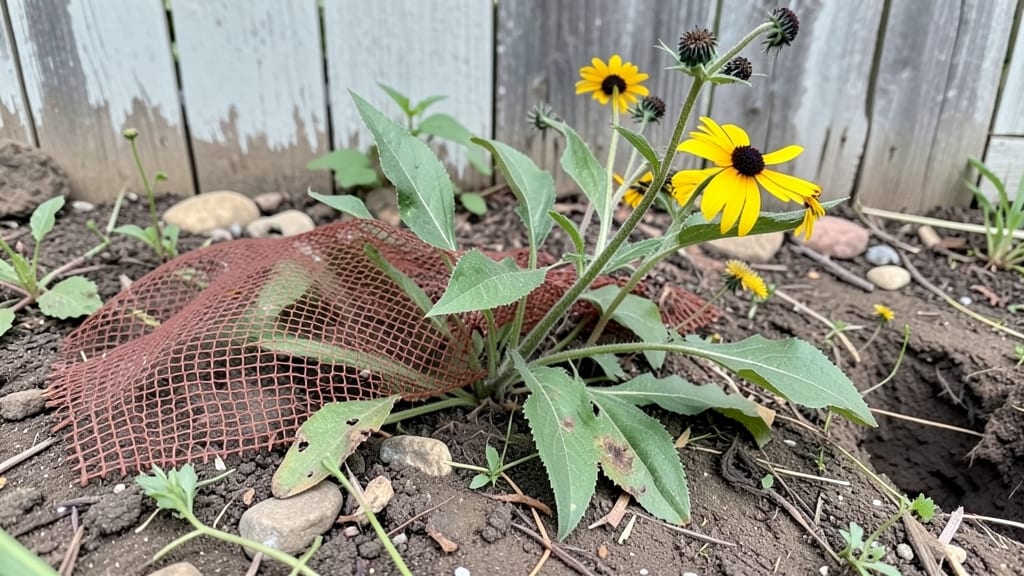
Learn how to deter dogs from digging in flower beds—I turned my ruined garden into a pup-proof paradise using these no-dig barriers that work without scolding or punishment, just smart tricks to save your plants. 🌱 The key is understanding why dogs dig in the first place: boredom, instinct, or simply because the soil smells like adventure to them.
I’ve tested everything from buried hardware cloth to raised beds, and the right approach depends on your yard and your pup’s habits.
Physical barriers like landscape fabric or wire mesh buried just below the surface stop digging without harming roots or looking ugly. For stubborn diggers, a gravel-filled trench around the bed creates a natural boundary they’ll avoid.
Training helps too—redirect their energy with a designated dig area filled with sand or a shallow container of soil. The best part? These methods preserve your plants while keeping your dog happy (and your neighbors from complaining).
You’ll see results within a week if you combine barriers with positive reinforcement—think treats for ignoring the flower beds. Over time, your garden stays lush and your dog learns where to dig (hint: not in your prized petunias).
The secret is consistency: dogs thrive on routine, and so does a well-maintained garden. Let’s get your yard back to its full, dig-free potential.
Works for any breed, yard size, or climate—just adjust the materials to your soil type. Whether you’ve got a backhoe-sized bulldog or a tiny terrier tearing up your borders, these tricks keep everyone satisfied. Ready to reclaim your flower beds without the guilt?
The Hidden Triggers Behind Dog Digging
Dogs don’t dig in flower beds just because they’re bored—they’re often responding to instinctual, environmental, or even medical cues. Understanding these triggers is the first step to stopping the behavior before it starts.
Below, we break down the most common reasons your pup might be turning your garden into a construction site, backed by science and real-world dog behavior.
Dogs are descendants of wolves and other canines that historically dug for shelter, food, or even to create safe dens. While domesticated dogs no longer need to hunt or escape predators, their instincts remain.
Breeds like Terriers, Beagles, and Dachshunds are especially prone to digging because they were bred for tasks like hunting burrowing animals (like rabbits or rodents) or tracking scents underground.
Why it happens:
- Scent tracking: Dogs have up to 300 million olfactory receptors (vs. humans’ 6 million), making them hyper-aware of smells. Flower beds often contain rich, complex scents from roots, decomposing matter, or even buried prey (like insects or small animals). Digging helps them "read" these scent layers.
- Cooling off: The earth stays cooler than surface temperatures, especially in hot climates. Dogs with thick coats or short noses (like Bulldogs) may dig to regulate body heat—a behavior seen in wild canines during heatwaves.
- Territorial marking: Digging can deposit their scent (via paw pads or anal glands) to claim territory, a primitive but effective communication method.
Actionable insight: If your dog is a breed prone to digging, redirect their instincts with approved digging zones (like a sandbox or a designated "dig pit") or provide mental stimulation to satisfy their natural urges.
Dogs dig when they’re mentally understimulated or emotionally distressed. Unlike wolves, which dig for survival, domesticated dogs may turn to digging as a coping mechanism for separation anxiety, loneliness, or even frustration.
Why it happens:
- Separation anxiety: Studies show that dogs left alone for long periods may develop compulsive behaviors, including digging, as a way to self-soothe. The act releases endorphins, creating a temporary calming effect.
- Boredom: Dogs need 2+ hours of mental and physical stimulation daily. Without it, they may "occupy" themselves by destroying your garden—a classic case of the "empty dog syndrome."
- Change in routine: Moving houses, new pets, or even a shift in your work schedule can trigger stress-related digging. Dogs are creatures of habit, and disruptions can lead to anxiety-driven behaviors.
Actionable insight: Increase daily exercise, puzzle toys, or training sessions to tire them out mentally. If anxiety is suspected, consult a vet or certified dog behaviorist for tailored solutions.
Dogs are natural predators, and if they sense movement—or worse, the smell—of insects, rodents, or other small creatures in your flower beds, they’ll dig to investigate or "hunt." This is especially true for breeds with strong prey drives, like Huskies, Shepherds, or Terriers.
Why it happens:
- Insect infestations: Grubs, ants, or beetles tunneling through soil release pheromones that dogs can detect from yards away. A single whiff can trigger an irresistible digging frenzy.
- Rodent activity: Mice, voles, or moles create tunnels that dogs can smell and hear. Even if the pests aren’t visible, your dog’s keen senses pick up on their presence.
- Decaying matter: Rotting roots, fallen fruit, or compost piles emit odors that mimic prey, prompting your dog to dig and roll in the scent.
Actionable insight: Inspect your flower beds for pests before assuming it’s just "bad behavior." Use pet-safe pest deterrents (like nematodes for grubs) or consult a local garden center for organic solutions.
Sometimes, the problem isn’t your dog—it’s their environment. Flower beds can unintentionally encourage digging due to texture, temperature, or even the way they’re planted.
Why it happens:
- Loose or sandy soil: Dogs prefer digging in soft, easy-to-displace soil. Compacted clay or rocky beds are less appealing, while loose mulch or sand feel like an invitation.
- Shady or damp spots: Cool, moist soil is more attractive to dogs, especially in hot weather. If your flower bed is the only shaded area in your yard, your pup may seek relief there.
- Recent disturbances: If you’ve recently planted bulbs, moved rocks, or turned the soil, the disruption can pique your dog’s curiosity, leading to exploratory digging.
Actionable insight: Modify the environment by adding mulch (like pine straw) to deter digging or relocating the flower bed to a less accessible area. Avoid using chemical repellents, as they can harm plants and your dog.
While less common, persistent digging can sometimes signal an underlying health issue. If your dog suddenly starts digging excessively—especially if paired with other symptoms—it’s worth ruling out medical causes.
Why it happens:
- Joint or muscle pain: Arthritis or hip dysplasia can make lying down uncomfortable. Digging in soft soil may provide temporary relief by shifting their weight.
- Allergies or skin irritations: If your dog is allergic to pollen, grass, or flea bites, they may dig to soothe itchy skin or distribute their natural oils.
- Parasites or gastrointestinal issues: Worms or digestive discomfort can cause restlessness, leading to compulsive behaviors like digging.
Actionable insight: Monitor your dog for other symptoms (limping, excessive scratching, lethargy) and consult a vet if digging is sudden or accompanied by changes in appetite or energy levels.
Stop the Digging Now
Now that you understand why your pup is turning your flower beds into a construction site, let’s tackle the problem with practical, dog-friendly solutions. The key is addressing the root cause while making your garden less appealing—and more fun elsewhere!
Below, we’ve mapped out fixes based on the most common triggers, along with prevention tips to keep your yard intact (and your dog happy).
If your dog is digging out of boredom or pent-up energy, the solution isn’t punishment—it’s engagement. Dogs need mental and physical stimulation, or they’ll take matters into their own paws (literally).
🔥 Digging Pit Alternative
Create a designated digging area using a sandbox or kiddie pool filled with 3–4 inches of sand. Bury small toys or treats just beneath the surface to encourage them to dig there instead.
Place it in a shady spot far from your flower beds. Pro tip: Sprinkle citrus peels or coffee grounds around the edges of your flower beds—they’re natural deterrents dogs dislike!
🍳 Increase Exercise & Playtime
A tired dog is a well-behaved dog. Aim for at least 30–60 minutes of exercise daily, whether it’s walks, fetch, or agility training.
If your dog is a breed prone to digging (like Terriers or Huskies), consider interactive toys like puzzle feeders or flirt poles to tire them out mentally.
👨🍳 Mental Stimulation Games Dogs dig when they’re bored—so outsmart them!
Try: - Hide-and-seek with treats (scatter them in the yard for a sniffing adventure). - Scent work games (use a towel to wipe your hands with peanut butter, then let them track the smell). - Training sessions (even 10 minutes of basic commands can tire them out).
Some dogs dig to uncover buried scents (like rodents, insects, or even old food) or to chase prey. If this is the case, you’ll need to remove the temptation and mask the appeal.
🔪 Remove the Target
- Inspect your yard for burrowing pests (moles, voles, or grubs). Use pet-safe traps or contact a professional pest control service to eliminate them.
- Check for fallen fruit or food scraps—dogs will dig to retrieve smells. Pick up debris promptly.
🌡️ Mask the Smell
Dogs have an incredible sense of smell, so overpower the scent of what’s beneath the surface: - Vinegar spray: Mix equal parts water and white vinegar in a spray bottle.
Lightly mist the digging areas—it’s safe, smells strong to dogs, and evaporates quickly. - Commercial deterrents: Products like Bitter Apple spray (pet-safe) or PetSafe SSSCAT create an unpleasant taste/smell that discourages digging.
✨ Physical Barriers
If your dog is determined, block access with: - Landscape fabric or hardware cloth buried 6–12 inches deep around flower beds.
This prevents them from breaking through while allowing roots to breathe. - Rocks or mulch: A 2–3 inch layer of pebbles or mulch on top of the soil makes digging harder and less rewarding.
Some dogs dig due to anxiety, separation issues, or marking territory. In these cases, the focus shifts to reducing stress and reinforcing positive associations.
💡 Reduce Stress Triggers - Routine matters: Dogs thrive on predictability.
Feed, walk, and play at the same times daily to minimize anxiety. - Calming aids: - Adaptive clothing (like Thundershirts) can reduce stress. - Pheromone diffusers (like Adaptil) mimic natural calming scents. - Background noise (soft classical music or white noise) can soothe nervous dogs.
🎯 Positive Reinforcement Training
Reward your dog for not digging with treats, praise, or playtime. Use a verbal cue like “Leave it” when they approach the flower bed, then redirect them to a toy or digging pit.
🏡 Safe Spaces
Create a cozy, enclosed area (like a dog bed in a quiet corner or a covered crate) where your dog can retreat when anxious. This gives them a sense of security and reduces the urge to dig out of stress.
Once you’ve addressed the root cause, consistency is key. Here’s how to maintain a dig-free yard long-term:
- 🔄 Rotate toys to keep your dog’s interest away from the flower beds.
- 🌞 Supervise outdoor time—if you catch them digging, interrupt with a toy or command.
- 🌱 Choose dog-friendly plants (like lavender or rosemary) that are less tempting to dig up.
- 🚫 Avoid punishment—yelling or physical corrections can increase anxiety and make digging worse.
- 🌧️ Post-rain check: Dogs dig more after rain when the ground is soft. Keep them occupied with extra playtime during these periods.
By tailoring your approach to your dog’s specific triggers, you can turn their digging habit into a fun, controlled activity—while keeping your flower beds looking their best. 🌸🐕
Frequently asked questions
What are the best natural deterrents to keep dogs away from flower beds?
Try sprinkling citrus peels, coffee grounds, or vinegar around the edges—dogs dislike these scents. For a physical barrier, lay down landscape fabric or hardware cloth buried 6 inches deep to block access while preserving roots. Mulch or pebbles also make digging harder.
Will a digging pit actually stop my dog from destroying flower beds?
Yes, but only if it’s properly set up! Place a sandbox or kiddie pool filled with 3–4 inches of sand in a shady spot, then bury treats or toys just beneath the surface. Redirect your dog to this area whenever they approach the flower beds. Consistency is key—most dogs adapt within 1–2 weeks.
Can I use chemical sprays to deter digging?
Some pet-safe sprays like Bitter Apple or PetSafe SSSCAT work by creating an unpleasant taste/smell, but avoid harsh chemicals. Test sprays on a small area first—some can damage plants. For a natural alternative, mix water and vinegar (1:1 ratio) and lightly mist the soil.
Why does my dog dig more after it rains?
Rain softens the soil, making it easier to dig—and the scent of worms or insects becomes stronger. Keep your dog busy with extra playtime or mental games after rain. If digging persists, add a 2-inch layer of mulch to make the ground less appealing.
How do I train my dog to stop digging without punishment?
Use positive reinforcement: Reward calm behavior with treats or praise, and redirect them to a toy or digging pit when they approach the flower beds. Avoid yelling—it increases anxiety and can make digging worse. Short, frequent training sessions (even 5 minutes) work better than long ones.