
Tools
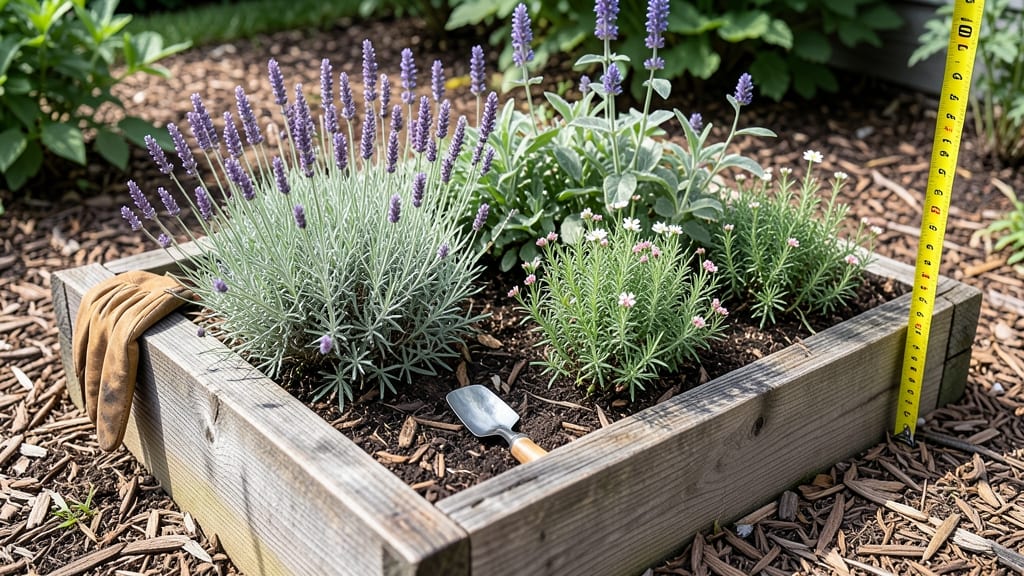
Determining the ideal garden bed height depends on your goals: 6 to 12 inches works best for most vegetables, balancing drainage and soil retention, while 12 to 18 inches is ideal for raised beds to prevent compaction and improve accessibility.
Getting the height right directly impacts your plants' health.
A bed that's too shallow risks poor drainage and shallow root systems, while one that's too deep can become waterlogged or difficult to maintain. 🌱 For most vegetables like lettuce or radishes, the standard 6 to 12-inch range works perfectly—this depth encourages strong root growth without requiring excessive soil.
Meanwhile, deeper raised beds (up to 18 inches) are better for larger plants like tomatoes or corn, where roots need more space to establish themselves.
What's fascinating is how bed height affects soil temperature and microbial activity too. Shallower beds warm up faster in spring, giving a head start to early crops, while deeper beds maintain more consistent moisture levels.
I've found that adding a 2-inch layer of compost on top of any bed height dramatically improves fertility without changing the overall structure.
💡 In This Article
- Why Garden Bed Height Affects Root Health and Soil Quality
- Choosing the Right Height for Your Garden Bed Type
Why garden bed height affects root health and soil quality
Root systems develop differently based on bed depth because of oxygen availability and moisture distribution. In a 6-inch bed, roots grow horizontally near the surface, creating a dense network perfect for shallow-rooted plants like lettuce or herbs. This shallow zone warms up faster in spring, accelerating early growth.
However, deeper beds (12+ inches) allow roots to extend downward, accessing moisture and nutrients from lower soil layers—a critical advantage during droughts. 🌱 The deeper you go, the more stable the soil structure becomes, reducing erosion risks from heavy rain.
Soil microbes thrive in this middle range too. A 12-inch bed maintains optimal oxygen levels for beneficial bacteria and fungi, which break down organic matter into plant-available nutrients. Shallower beds can become waterlogged, suffocating these microbes, while beds over 18 inches may develop anaerobic pockets near the bottom.
The ideal height creates a "sweet spot" where drainage and microbial activity balance perfectly—like a well-aerated sponge that holds moisture without drowning roots.
Drainage is another key factor. A 6-inch bed drains quickly but may dry out fast in hot climates, while a 12-inch bed retains moisture longer while still preventing waterlogging. The extra 6 inches in raised beds acts like a built-in reservoir, storing rainwater for gradual release.
This is why vegetable gardens often thrive in 10-12 inch beds—enough depth for root expansion without the maintenance challenges of taller structures.
Weed suppression also benefits from proper height. A 12-inch raised bed blocks sunlight from reaching weed seeds in the soil below, reducing germination by up to 70% compared to ground-level planting. The taller the bed, the more effective this natural weed barrier becomes.
However, beds over 18 inches risk becoming too heavy for DIY materials like untreated wood, which can rot faster when saturated with moisture from deeper soil profiles.
Consider your local climate when choosing. In dry regions, deeper beds (12+ inches) help roots reach underground moisture, while in humid areas, 6-8 inch beds prevent fungal diseases by improving airflow. The right height isn't one-size-fits-all—it's about matching your plants' needs to your environment's challenges. 💫
For example, carrots need 12 inches of depth to grow their full length, while strawberries thrive in 6-inch beds**—the key is understanding each plant's root zone requirements. This precision in bed height transforms your garden from a guesswork project into a scientifically optimized growing system.