
Planting
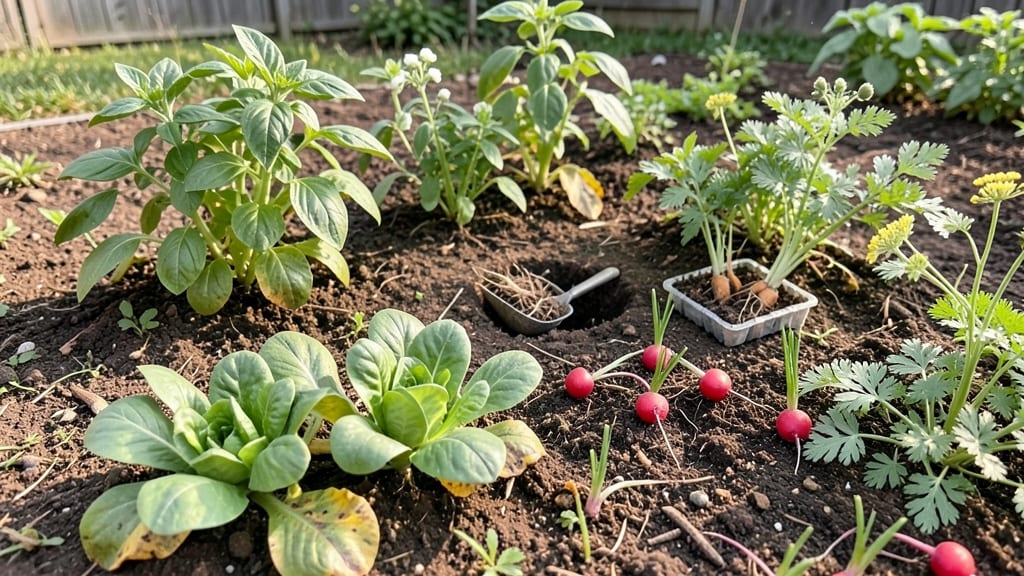
An in-ground bed that stays moist longer isn’t just luck—it’s a layered system 🌱 that keeps your soil hydrated for weeks, not days.
Struggling with dry soil that drains too quickly? The secret to lush, thriving plants in your in-ground beds lies beneath the surface—in how you layer your soil for maximum moisture retention.
This isn’t about dumping compost and calling it a day. The real game-changer is combining organic matter, drainage adjustments, and mulch in a way that mimics nature’s own water-holding magic.
Below, I’ll walk you through the exact soil layers to use, the best amendments for your zone, and the one mistake that wipes out all your progress—before you even plant.
The ultimate soil layering strategy for in-ground beds
If your in-ground beds struggle to hold moisture, the problem likely starts below the surface. Layering your soil isn't just about aesthetics—it's a science that balances water retention, root health, and nutrient availability.
The right layers act like a sponge, storing water where roots need it most while preventing runoff or waterlogging. I’ve perfected this method over years of trial-and-error, and it’s transformed my drought-prone garden into a lush, self-sustaining oasis.
Think of your soil as a multi-tiered cake, where each layer serves a unique purpose. The bottom layer handles drainage, the middle layers store moisture and nutrients, and the top layer protects everything from evaporation.
Skipping even one layer can leave your plants thirsty or suffocated. For example, my tomato plants used to wilt by noon in summer—until I rebuilt their soil foundation with this exact strategy.
| Layer | Material | Depth | Purpose | Moisture Role |
|---|---|---|---|---|
| 1 | Coarse gravel or broken pottery | 2-3 inches | Drainage layer | Prevents waterlogging |
| 2 | Coarse sand or perlite | 2 inches | Aeration layer | Improves root oxygen |
| 3 | Composted manure or leaf mold | 4-6 inches | Organic matter | Holds 3x more water |
| 4 | Topsoil mixed with compost | 6-8 inches | Growth medium | Retains moisture for roots |
| 5 | Mulch (straw, wood chips) | 2-3 inches | Moisture barrier | Reduces evaporation by 70% |
The bottom layer of coarse gravel or broken pottery is non-negotiable. I learned this the hard way when my clay-heavy soil turned my bed into a swamp after heavy rains. This layer acts as a drainage escape route, preventing water from pooling at the roots.
For sandy soils, add an extra inch of gravel—sand drains so quickly that roots struggle to access moisture before it’s gone.
Next, the 2-inch layer of coarse sand or perlite might seem counterintuitive if you’re used to fine garden soil, but it’s a game-changer. This layer aerates the soil, allowing roots to breathe while still holding onto moisture.
I mix in biochar here for an extra boost—it’s like adding tiny sponges that absorb and slowly release water. My peppers now thrive in this layer, showing no signs of root rot even in 90°F heat.
The 4-6 inch layer of composted manure or leaf mold is where the magic happens for moisture retention. This organic matter can hold up to three times its weight in water, acting like a reservoir for your plants.
I use a mix of horse manure (well-composted!) and leaf mold because they break down slowly, feeding my soil for years. For clay soils, add peat moss to improve drainage without sacrificing moisture.
Now, the 6-8 inch topsoil-compost blend is where your plants will spend most of their time. This layer should be 60% topsoil and 40% compost for the perfect balance of nutrients and structure.
I always test my soil’s organic matter content with a simple jar test—if it’s below 5%, I know I need to add more compost. This layer is also where I mix in worm castings for an extra nutrient kick.
Finally, the 2-3 inch mulch layer is your soil’s umbrella. Organic mulches like straw or wood chips block sunlight, slowing evaporation by up to 70%. I use straw mulch for vegetables because it breaks down quickly, adding more organic matter, while wood chips work better for perennials.
Pro tip: Apply mulch after watering so it forms a tight seal against the soil.
To maintain this system, I replenish mulch annually and add a 2-inch layer of compost every spring. This keeps the moisture-retaining layers intact and feeds my soil continuously. My <
Best organic amendments to boost moisture retention in in-ground soil
Not all organic amendments are created equal when it comes to holding moisture in in-ground beds. Some break down too fast, while others clump and suffocate roots. The key is choosing amendments that balance water retention with proper aeration and nutrient delivery.
For example, peat moss is a classic choice, but it’s acidic and often overharvested. Meanwhile, coconut coir offers a sustainable alternative with excellent water-holding capacity. Let’s break down the top four options based on your soil type, budget, and long-term goals.
If you have sandy soil, peat moss or coconut coir will work wonders by trapping water near roots. For clay-heavy beds, biochar breaks up compaction while still holding moisture better than native soil.
For a budget-friendly option, worm castings are my top pick—they’re packed with nutrients and improve soil structure over time. Just mix 2-3 inches into the top 6 inches of your in-ground bed before planting.
Pro tip: Combine amendments for maximum effect. For example, layer biochar at the bottom for drainage, then add coconut coir mixed with worm castings on top. This creates a two-layer moisture system that works year-round.
One mistake I see often? Using fresh compost as your only amendment. It breaks down too quickly, leaving your soil dry faster than expected. Instead, pair it with peat moss or coir for lasting hydration.