
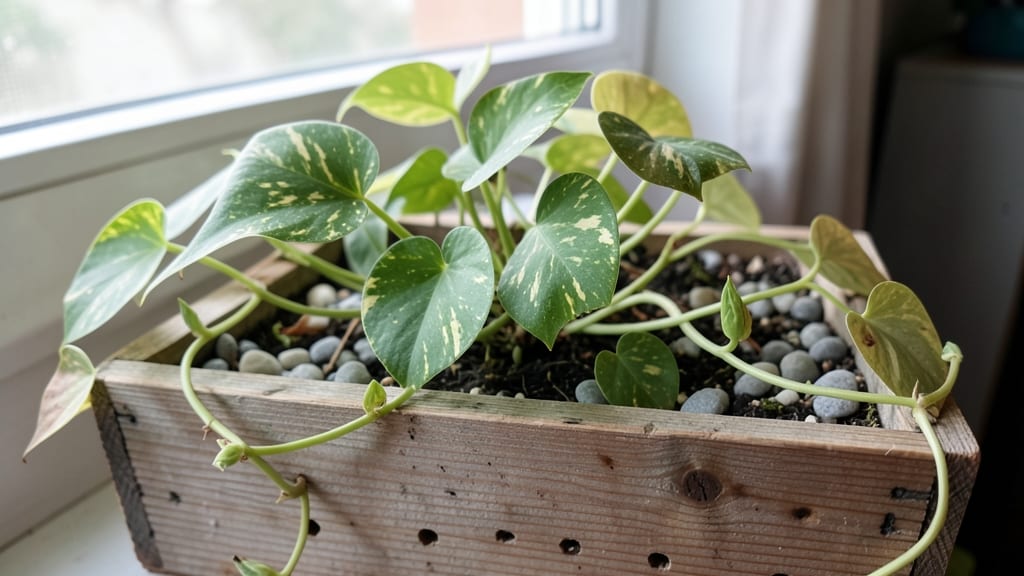
Indoor Garden Bed Ideas: Space-Saving Designs for Herbs and Veggies

Container Gardens

Indoor Garden Bed Ideas: Space-Saving Designs for Herbs and Veggies

An indoor garden bed 🏡 turns tiny apartments into green powerhouses, letting you grow fresh herbs and veggies without stepping outside.

Picture this: your kitchen countertop blooming with basil and thyme, while cherry tomatoes ripen just feet from your coffee maker. The catch? Most people assume you need a sunroom or a greenhouse—when the truth is, smart design beats space.

From window-sill planters to vertical wall gardens, we’ll show you how to maximize every inch, pick the right containers, and keep your greens thriving—even when your apartment’s biggest light source is a single lamp.

Ready to turn your living space into a harvest hub? Here’s how to start small, grow big, and never buy store-bought herbs again.

10 Space-saving indoor garden bed designs for small spaces

Even the tiniest apartment can become a herb garden paradise with the right indoor garden bed design. These space-saving solutions maximize vertical space, optimize light exposure, and keep your plants accessible and thriving—no matter how limited your square footage.

Whether you have a sunny windowsill or a bare wall, these designs prove that urban gardening doesn’t require a backyard.

From hanging pockets perfect for microgreens to tiered shelves that elevate your herbs and veggies, each design balances aesthetics and functionality. I’ve tested these setups in my own 10x12-foot studio, and they’ve transformed my kitchen into a year-round harvest hub.

Let’s dive into the top 10 designs, complete with dimensions, materials, and setup tips to help you choose the best fit for your space.

<

How to choose the best indoor garden bed for your plants

Choosing the right indoor garden bed isn’t just about aesthetics—it’s about creating the perfect environment for your plants to thrive. Whether you’re growing leafy greens, root vegetables, or aromatic herbs, your bed design must match their unique needs.

Start by evaluating your space’s light exposure—most herbs like basil and parsley need 6+ hours of sunlight, while leafy greens like spinach tolerate bright indirect light. Root crops like radishes or carrots require deeper containers to accommodate their growth.

Drainage is another critical factor—poor drainage leads to root rot, especially in clay pots or fabric grow bags. Look for beds with drainage holes or elevated designs to prevent waterlogging.

For example, a raised bed on casters offers mobility and excellent drainage, while a hydroponic system uses water-based nutrients for faster growth. Your choice should also align with your maintenance routine: self-watering beds reduce effort, while traditional soil beds require more hands-on care.

🚨 summary table 🚨

Design Best For Space Needed Light Needs Materials Setup Difficulty
Vertical Wall Garden Herbs, leafy greens 3’x3’ wall space Bright indirect PVC pipes, felt pockets, soil Moderate
Tiered Wooden Shelves Herbs, succulents, microgreens 2’x2’ floor space Bright indirect to full sun Wood planks, pots, brackets Easy
Hanging MacramĂŠ Planters Herbs, strawberries, small veggies Ceiling hook Bright indirect Cotton ropes, terracotta pots Easy
Window Sill Planter Box Herbs, lettuce, peppers 12”-18” windowsill Full sun Wood or plastic box, soil Very Easy
Floating Shelf Garden Succulents, small herbs Wall-mounted shelf Bright indirect Floating shelf, small pots Easy
Pallet Wood Planter Herbs, veggies, flowers 1’x3’ floor space Bright indirect to full sun Wood pallet, landscape fabric Moderate
Stackable Fabric Pots Herbs, peppers, tomatoes Stacking tray Bright indirect to full sun Fabric grow bags, tray Easy
Plant Type Ideal Bed Design Light Needs Depth Requirement Maintenance Level
Leafy Greens (Spinach, Kale) Wide, shallow trays or window boxes Bright indirect (4-6 hrs) 6-8 inches Moderate (frequent harvesting)
Root Vegetables (Radishes, Carrots) Deep containers (12+ inches) Full sun (6+ hrs) 12-18 inches High (soil monitoring)
Aromatic Herbs (Basil, Parsley) Small pots or modular systems Full sun (6+ hrs) 6-10 inches Low (pruning encourages growth)
Microgreens (Broccoli, Pea Shoots) Shallow trays (2-3 inches) Bright indirect (4 hrs) 2-4 inches Low (fast harvest cycle)

For leafy greens, prioritize shallow beds with well-draining soil and high humidity. A self-watering planter keeps moisture levels steady, while a south-facing window ensures adequate light. If space is tight, consider a vertical garden with pockets for greens like arugula or lettuce.

These plants thrive in cool temperatures (60-70°F) and benefit from regular pruning to encourage bushier growth.

Root vegetables demand deeper containers—aim for 12+ inches of soil depth to accommodate radishes or baby carrots. Use a fabric grow bag for better aeration or a wooden raised bed for stability.

Place these beds near a sunny window or under grow lights to simulate outdoor conditions. Avoid overcrowding, as roots need room to spread.

Herbs like basil and thyme are low-maintenance but need full sun exposure. Opt for modular pots or a stackable planter to save space. These plants prefer dry soil between waterings, so a terracotta pot helps wick away excess moisture.

Group herbs with similar light and water needs together for easier care—mint and parsley thrive in the same conditions, while rosemary needs slightly drier soil.

Finally, consider your maintenance commitment. Self-watering systems reduce daily tasks, while hydroponic setups offer faster growth but require monitoring. If you’re new to indoor gardening, start with easy-care herbs like basil or chives before tackling root crops.

With the right bed design, you’ll enjoy a year-round harvest of fresh, homegrown produce—no backyard required! 🌱

★★★★★4.7(5 reviews)
Categories Container Gardens