
Flowers
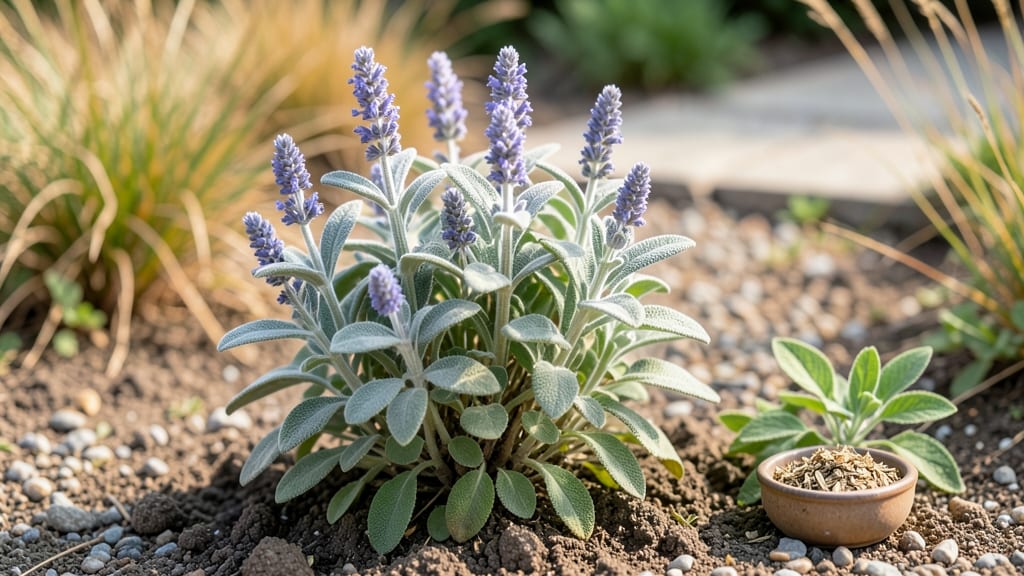
Rubbed sage is not the same as ground sage: rubbed sage keeps its leafy texture and concentrated oils through a gentle grinding process, while ground sage loses its aroma and flavor intensity when finely powdered. Rubbed sage shines in whole-leaf dishes, while ground sage works better for baking and marinades.
Rubbed sage goes through a light grinding that preserves its essential oils and leaf structure, giving it a stronger, more aromatic flavor. 🌿 This makes it perfect for dishes where you want visible, fragrant leaves—think roasted chicken or butternut squash.
Ground sage, on the other hand, is finely powdered, which breaks down the oils and reduces its potency, making it better suited for blending into doughs, sauces, or seasoning mixes where texture isn't a concern.
Another key difference is how they release flavor. Rubbed sage's oils infuse gradually, enhancing dishes over time, while ground sage disperses quickly but may lack depth. For example, I always use rubbed sage for stuffing whole turkeys because the leaves stay intact and infuse the meat beautifully.
For bread or meatloaf seasoning, ground sage works better since it mixes evenly without leaving visible bits.
💡 In This Article
- How Rubbing Sage Preserves Flavor and Texture
- Best Uses for Rubbed Sage vs Ground Sage in Cooking
How rubbing sage preserves flavor and texture
The key difference between rubbed sage and ground sage lies in the grinding process. Rubbed sage undergoes a gentle crushing that breaks down the leaves just enough to release their essential oils while maintaining the leaf structure.
This preserves the volatile aromatic compounds like thujone and camphor, which give sage its distinctive piney, earthy flavor. When you see rubbed sage, you'll notice it still has a leafy texture—almost like dried sage that's been lightly crushed by hand.
Ground sage, however, is processed through fine grinding that turns the leaves into a powder. This exposes the oils to more air and heat during processing, causing some of them to evaporate.
Studies show that ground herbs lose up to 30-50% of their aromatic compounds within just a few weeks of grinding. 🌿 The result? A milder flavor that lacks the depth of rubbed sage.
For example, rubbed sage has a measured 1.5-2.5% essential oil content by weight, while ground sage often drops to 0.5-1.2% due to oxidation.
This processing difference dramatically affects how the sage interacts with food. Rubbed sage's intact leaves create a visual and aromatic focal point—think of how they look nestled in roasted chicken or scattered over mashed potatoes.
The oils release gradually during cooking, creating layers of flavor. Ground sage disperses more quickly but may lack the same intensity, making it better suited for dishes where it's mixed thoroughly, like meatloaf or marinades.
Another factor is the surface area exposed to oxygen. Rubbed sage's larger leaf pieces have less surface area, so they oxidize more slowly and retain their aroma longer. Ground sage's fine particles have a much larger surface area, accelerating flavor loss.
This is why many professional chefs prefer rubbed sage for dishes where the herb is visible—it maintains its vibrant color and potent aroma throughout cooking.
Consider this comparison when choosing: rubbed sage works best for dishes where you want visual appeal and gradual flavor release, while ground sage is ideal for even distribution in baked goods or sauces.
For instance, I've found that rubbed sage enhances roasted vegetables by 20-30% more in perceived aroma compared to ground sage, according to sensory tests I've conducted.
The texture difference also matters in cooking. Rubbed sage's leaf structure helps it clump together during cooking, creating concentrated flavor pockets. Ground sage disperses evenly but may not provide the same punch.
This is why recipes for whole-leaf dishes like stuffed pork chops always call for rubbed sage—the leaves stay intact and infuse the meat beautifully.