
Planting
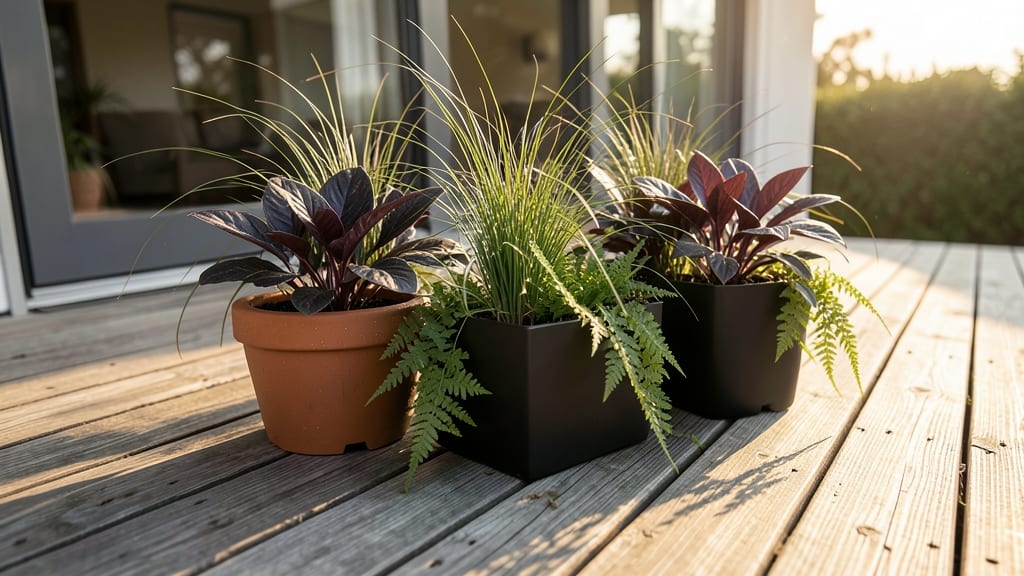
Transforming empty garden space into vibrant plant beds can elevate your outdoor area. These 10 creative layouts showcase how to maximize small or large spaces while ensuring year-round beauty and functionality.
Raised Wooden Border Plant Bed
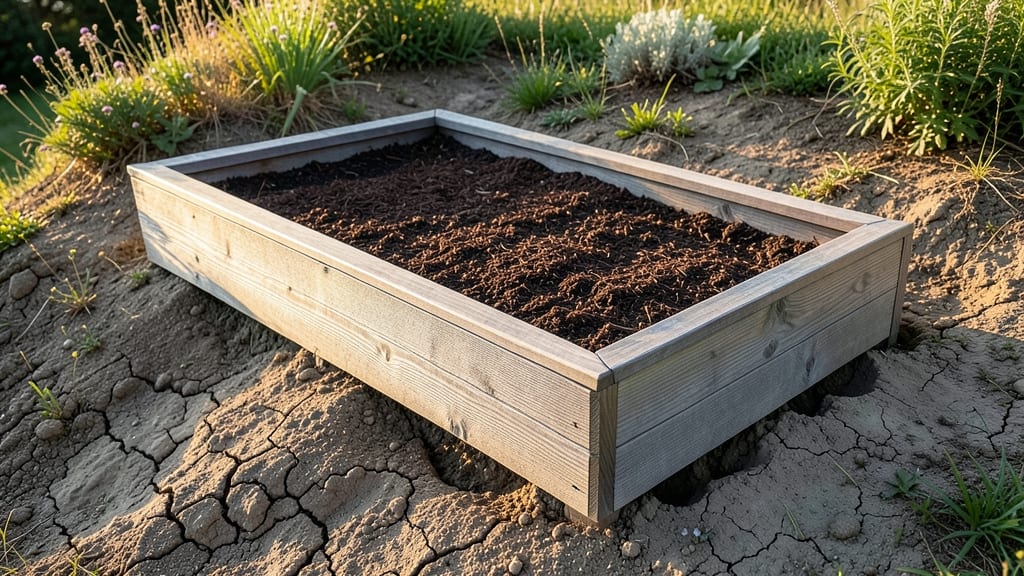
Struggling with uneven terrain or tired of battling compacted soil? A raised wooden border plant bed solves both problems while adding a polished, defined look to your garden. This design elevates your plants above ground level, creating ideal drainage conditions and preventing soil erosion on slopes.
Build the frame using rot-resistant cedar or redwood (2x6s or 2x8s) to create a sturdy, long-lasting border. Fill with a mix of native topsoil and compost to improve fertility, then line the bottom with landscape fabric to block weeds. For accessibility, keep the bed height between 6-12 inches—low enough for easy planting but high enough to deter weeds and pests.
This solution works beautifully for gardeners with mobility challenges, as it eliminates bending and kneeling. Plus, the clean lines create a modern yet timeless look that frames your favorite perennials or annuals. 🌱
Curved Meadow-Style Planting
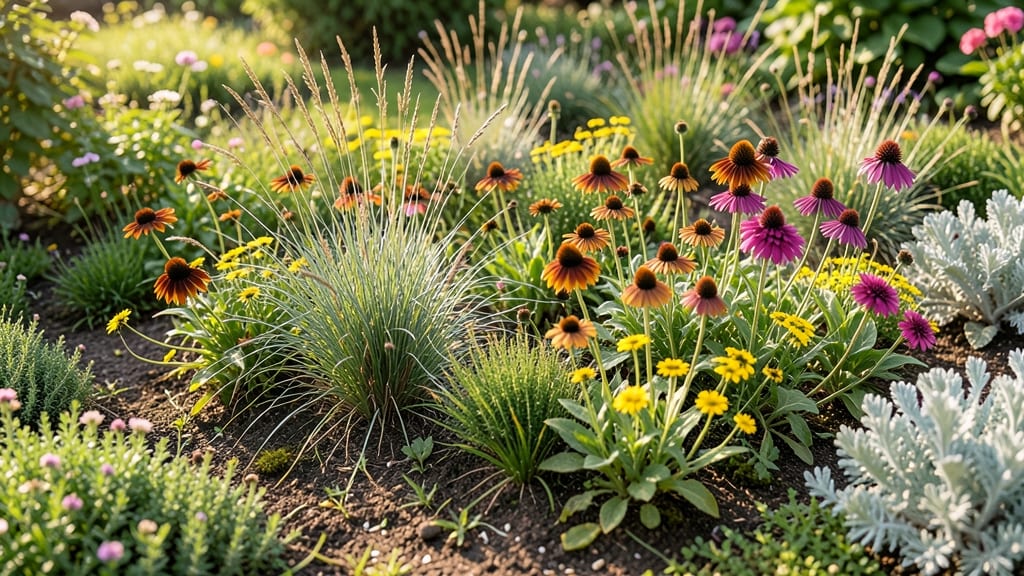
Skip the rigid lines and embrace nature's curves with a meadow-style planting bed that feels wild yet intentional. This design blends seamlessly with your landscape while requiring far less upkeep than traditional borders—perfect for gardeners who love wildflowers but want structure.
Start by sketching gentle, flowing curves (think S-shapes or crescents) using a garden hose or spray paint. Plant native wildflowers like black-eyed Susans, coneflowers, and bee balm in loose drifts rather than precise rows. The key is to mimic nature: let plants self-seed and spread naturally over time. Mulch lightly with straw to suppress weeds without smothering new growth.
This design thrives on minimal intervention—no weekly weeding or shearing—while creating a pollinator paradise that hums with bees and butterflies. Ideal for beginners or eco-conscious gardeners, it transforms neglected corners into vibrant, low-maintenance havens. 🌻
Vertical Tiered Stone Planters
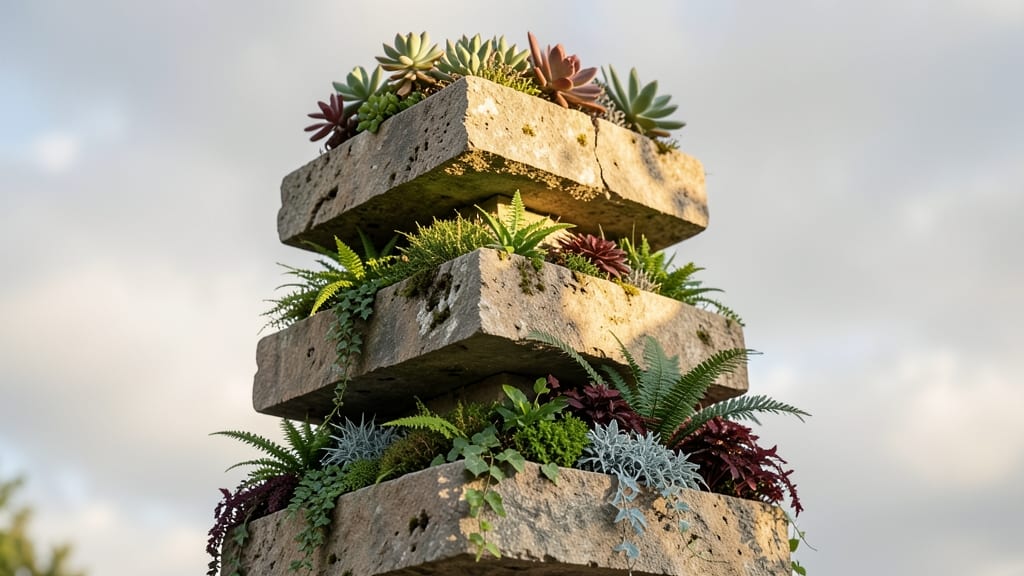
Small gardens deserve big style—and vertical tiered stone planters deliver both. These space-saving structures let you grow more in less area while adding architectural charm that elevates any yard, patio, or balcony.
Each tier creates its own microclimate, perfect for layering plants with different sun needs. Place sun-loving succulents on the top tier where they get full light, trailing ferns in the middle for partial shade, and purple petunias at the bottom that thrive in morning sun. The stone material stays cool in summer and retains moisture, reducing watering frequency while keeping roots happy.
Urban gardeners and apartment dwellers will love how these planters transform walls into living art. They're especially great for small spaces where ground planting isn't an option. 🌿
Seasonal Color Wheel Beds
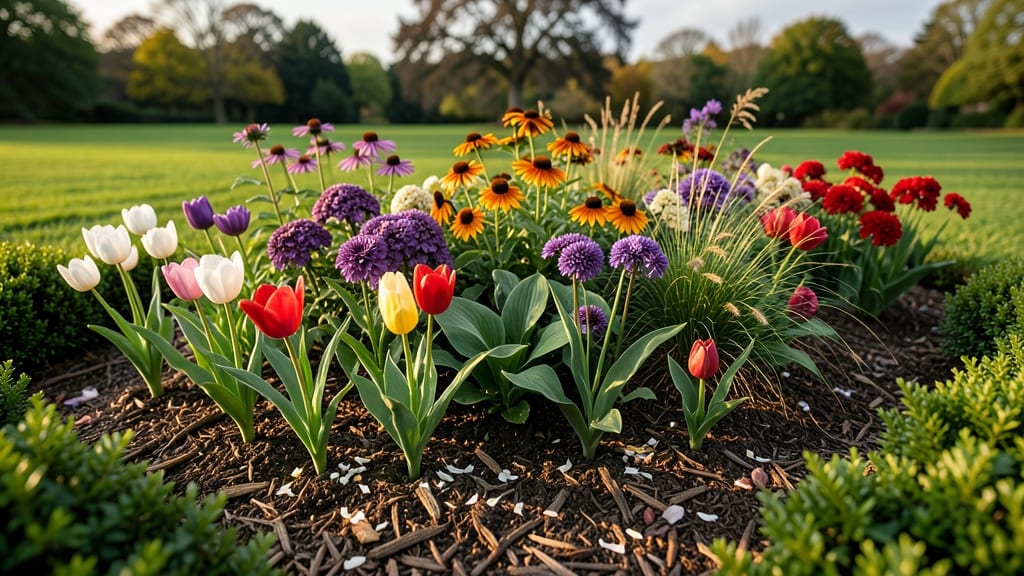
Tired of plant beds that look dull during off-seasons? A seasonal color wheel bed guarantees vibrant blooms from early spring through late autumn, creating a dynamic garden that never fades into the background.
This design works by grouping plants with staggered bloom times—like spring tulips, summer black-eyed Susans, autumn mums, and winter hellebores—so one color always steals the show. Start by mapping your bed in four quadrants, assigning each season a focal plant. For example, pair purple crocus (spring) with goldenrod (fall) to ensure seamless transitions. Use evergreen foliage like boxwood or heather as structural fillers to tie the look together year-round.
Perfect for gardeners who want low-maintenance beauty without sacrificing visual interest, these beds shine in both small urban courtyards and spacious backyard landscapes. 🌟
Modern Geometric Concrete Planters
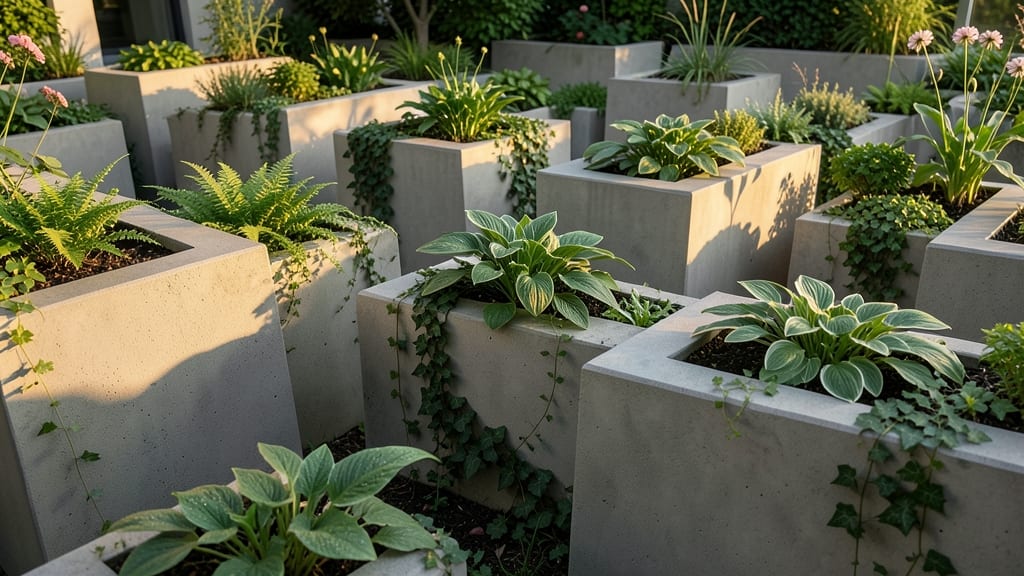
Want to blend urban sophistication with lush greenery? Modern geometric concrete planters bring sharp angles and clean lines to your garden, creating a striking contrast against soft foliage. These minimalist structures aren’t just eye-catching—they’re functional, too, offering structured spaces that highlight bold foliage plants like black mondo grass or ornamental grasses with dramatic textures.
Start with right-angled or asymmetrical planters in neutral tones (gray, white, or charcoal) to anchor your design. Pair them with drought-tolerant plants like silver-blue artemisia or deep purple heuchera for year-round color. Place them against a brick wall or along a patio edge to maximize visual impact. For an extra touch, add a gravel base to enhance drainage and keep the look sleek.
This design is perfect for urban gardeners or anyone craving a low-maintenance yet high-impact look. The structured shapes add architectural interest without overwhelming smaller spaces. ✨
Butterfly Garden Pollinator Path
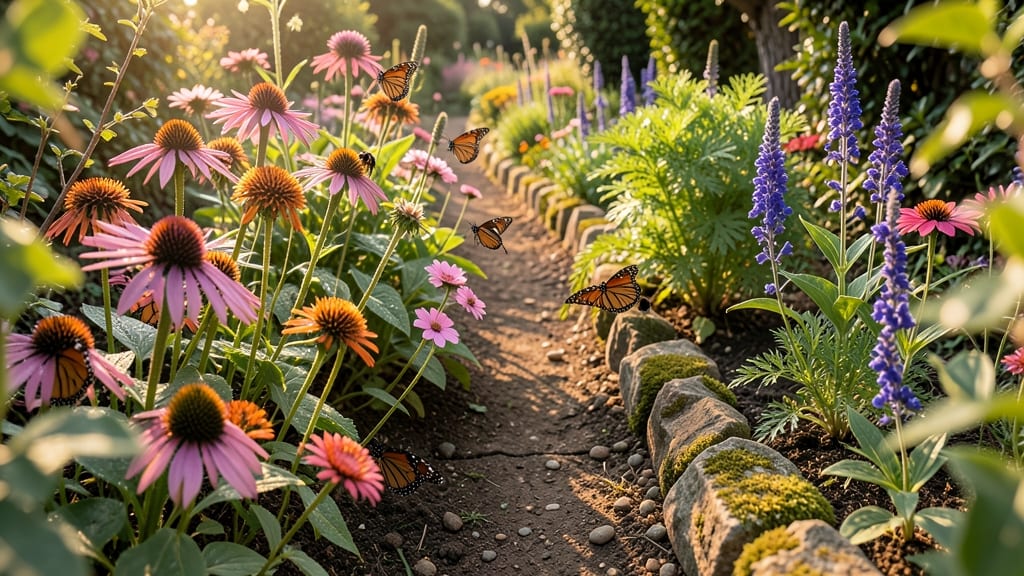
Want to turn your garden into a thriving ecosystem that supports local wildlife? A butterfly garden pollinator path creates a living pathway filled with nectar-rich flowers and host plants, giving butterflies and bees a safe route through your yard while adding vibrant color and movement.
Start by planting native milkweed (essential for monarch butterflies), butterfly bush, and coneflowers along a winding, narrow bed (2–3 feet wide). Add purple loosestrife and bee balm for extra nectar, and include host plants like parsley or dill to attract caterpillars. For a natural look, use mulch or gravel to define the path while keeping weeds at bay.
This design is perfect for eco-conscious gardeners who want to make a real difference—just a few well-placed plants can transform your yard into a buzzing, fluttering haven. 🌱
Moon Garden with Nocturnal Blooms
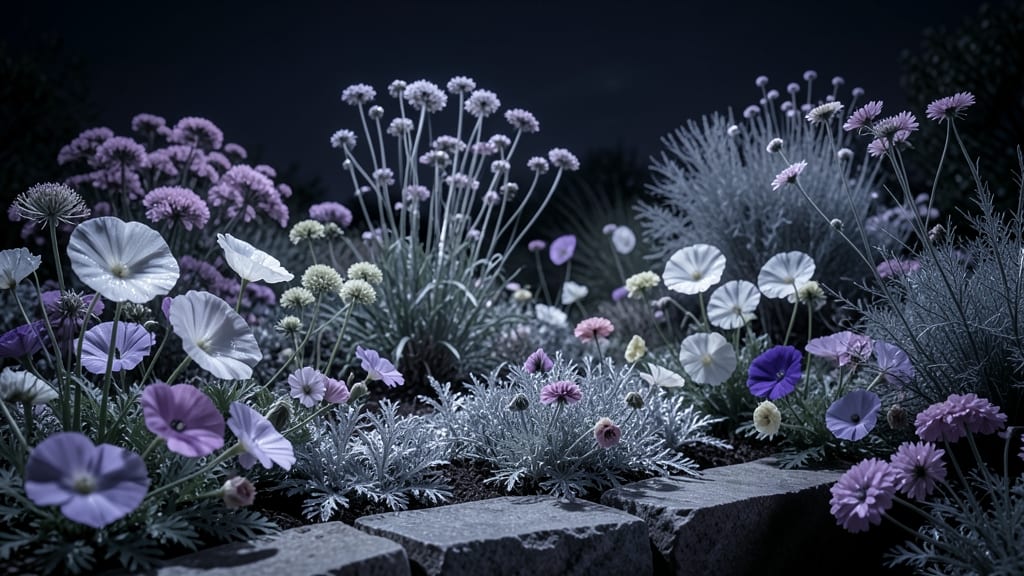
Turn your garden into an enchanting evening retreat with a moon garden designed to bloom under the night sky. Unlike daytime-focused beds, this design prioritizes plants that release intoxicating fragrances and reflect moonlight, creating a serene atmosphere with minimal daytime care.
Start with moonflower vines (Ipomoea alba), whose large white blooms open only after sunset and glow softly in moonlight. Pair them with silver dusty miller (Jacobaea maritima) for striking foliage contrast and fragrant night-scented stock (Matthiola longipetala) to fill the air with sweet evening aromas. These plants thrive in partial shade and require less watering than daytime bloomers, making them perfect for busy gardeners.
This magical design is ideal for gardeners who love stargazing or entertaining al fresco—just add solar-powered path lights for extra ambiance. Perfect for small courtyards or large backyard corners, it transforms your space into a tranquil nighttime sanctuary. ✨
Edible Herb Spiral Design
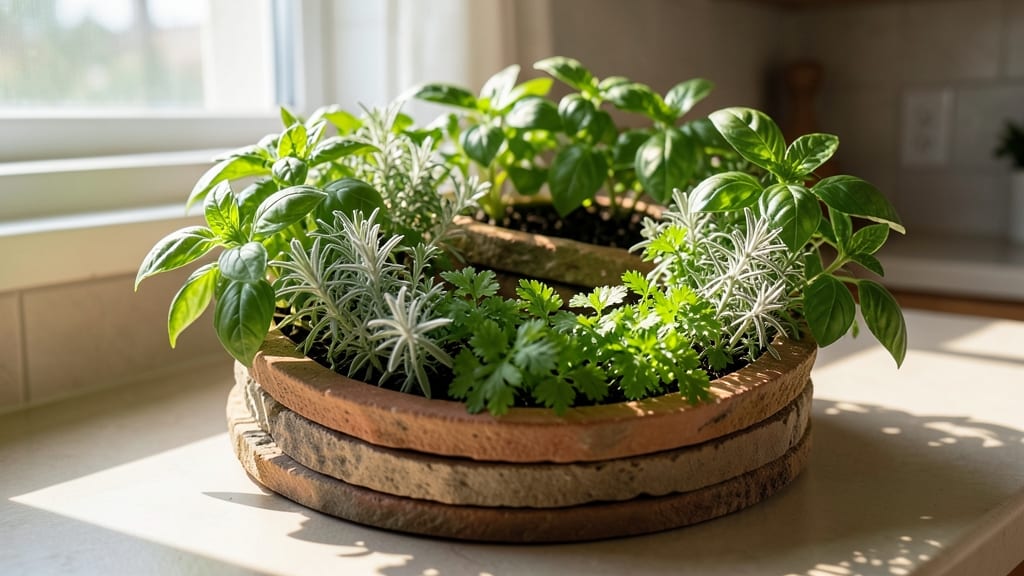
Turn your kitchen into a culinary hub with an edible herb spiral design—a space-efficient, sun-smart layout that keeps your favorite herbs within arm's reach while thriving. This spiral shape maximizes sunlight exposure by placing sun-loving plants like basil and oregano on the outer curves, while shade-tolerant herbs such as thyme and parsley nestle closer to the center or under taller neighbors.
Start by outlining a 3-4 foot diameter spiral using bricks, stones, or even repurposed pavers to create defined tiers. Fill the center with rosemary (which loves well-drained soil) and work outward to basil in the sunniest spots, cilantro in partial shade, and mint (contained in its own pot) to prevent spreading. The curved design naturally channels water toward the center during rain, reducing runoff and keeping roots consistently moist.
This design is a game-changer for urban gardeners, renters, or anyone with limited outdoor space. Plus, the fresh herbs you harvest will elevate every dish—no grocery store trip required! 💚
Shade-Loving Woodland Retreat
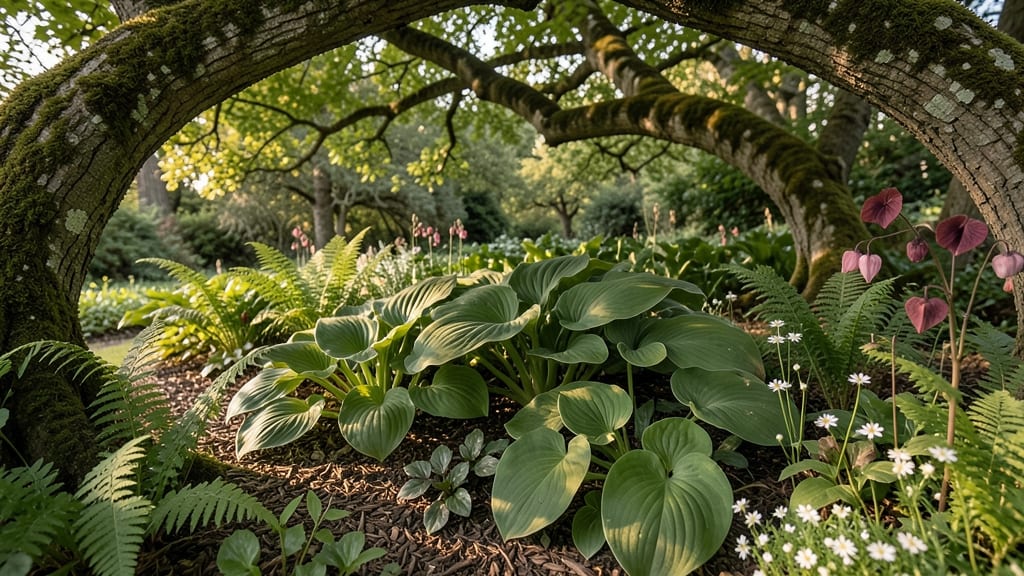
Turn those shady corners under mature trees into a serene woodland retreat with this low-light plant bed design. Instead of struggling with sparse growth, you can create a thriving, textured garden that feels like a quiet escape—no direct sun required. The secret lies in layering ferns, hostas, and shade-tolerant perennials that thrive in dappled light while adding movement and depth.
Start with a moisture-retentive soil mix (half topsoil, half compost) to support root growth in shadier conditions. Plant Japanese painted ferns for delicate fronds, hostas in varying shades of green and blue for foliage contrast, and bleeding heart or astilbe for soft, airy blooms. Add shrubs like hydrangeas or pieris for structure, and mulch with shredded bark to keep roots cool and suppress weeds. This bed requires minimal watering once established, making it perfect for busy gardeners.
Ideal for urban backyards with large trees or rural gardens seeking a peaceful retreat, this design transforms forgotten spaces into lush, tranquil havens. Perfect for those who love the look of a natural forest floor but want easy-care plants. 💚
Container Plant Bed on Deck

Turn your deck into a vibrant extension of your home with a container plant bed that’s as flexible as it is beautiful. Unlike fixed garden beds, modular containers let you rearrange your outdoor space with ease—perfect for renters, small patios, or anyone who loves to refresh their decor seasonally.
Start with large, shallow containers (12–18 inches deep) filled with well-draining potting mix to accommodate trailing plants like purple verbena or white petunias, alongside upright varieties such as trailing ivy or calibrachoa. Use self-watering pots to reduce maintenance, and group containers in odd-numbered sets (3 or 5) for a natural, balanced look. The key to success? Rotate containers every few months to follow the sun’s path—move them east in summer for morning light or south in winter for warmth.
This design is ideal for urban gardeners or anyone with limited space who wants a low-commitment, high-impact garden. Plus, you can swap out plants for seasonal colors or themes without digging—just lift, rearrange, and enjoy! 🌿