
Landscaping
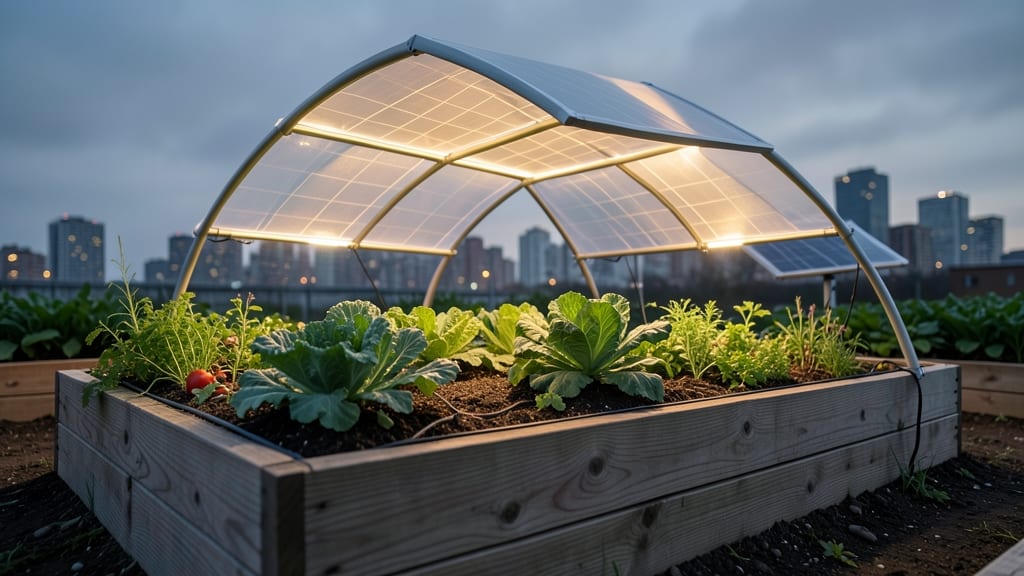
Protecting your raised beds from pests, weather, and weeds doesn’t mean sacrificing style. These 10 creative cover ideas balance functionality with garden aesthetics, ensuring your plants thrive year-round while keeping your outdoor space looking intentional.
Floating Row Cover Fabric for Pest Control
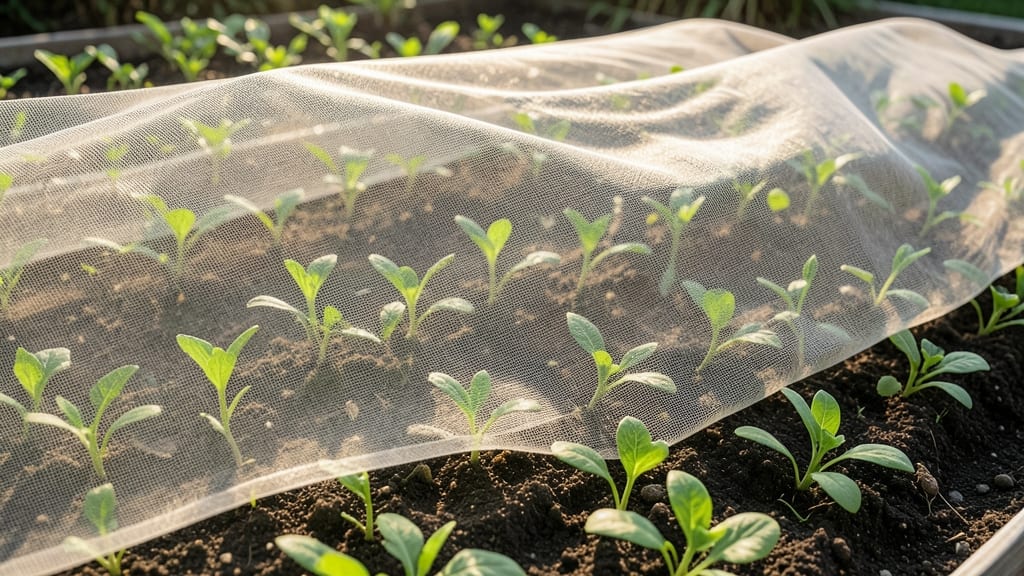
Struggling to protect your seedlings from ravenous pests without smothering them in plastic? Floating row cover fabric is your lightweight, breathable solution—think of it as a fine-mesh veil that keeps insects out while letting sunlight and water through.
Made from polypropylene or cotton, this fabric blocks 90% of pests like cabbage moths and flea beetles while allowing 90% of sunlight to reach plants. It’s perfect for delicate seedlings (like lettuce or brassicas) that need extra protection but can’t handle overheating. Simply drape it over your raised bed, secure the edges with clips or rocks, and watch your plants grow pest-free.
This is the go-to choice for organic gardeners and small-space growers who want to avoid chemicals. Plus, it’s reusable for years, making it a cost-effective way to safeguard your crops. 🌱
Bamboo or Reed Screens for Windbreaks
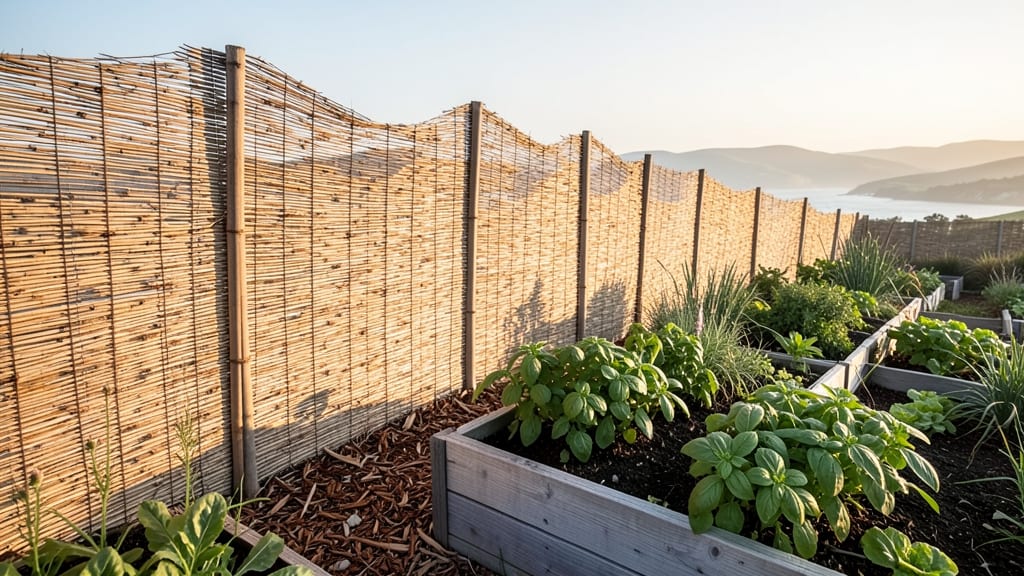
If your raised beds are in a breezy spot—especially near coastlines or open fields—bamboo or reed screens offer a natural windbreak that actually enhances your garden’s aesthetic. Unlike plastic barriers, these organic materials filter wind while adding a serene, tropical vibe to your space.
Install screens along the prevailing wind direction, anchoring them with stakes or lightweight brackets. For exposed areas, opt for clumping bamboo** (like Fargesia), which stays upright better than running varieties. The gaps between stalks allow airflow while reducing erosion—critical for sandy or loose soils. In coastal gardens, salt-resistant reed (Phragmites) can last years with minimal maintenance.
These screens are ideal for gardeners who prioritize sustainability and low maintenance—**no chemicals, no synthetic materials, just living-friendly protection. Plus, they create a stunning vertical backdrop for climbing plants. 🌿
Decorative Metal Trellis Covers
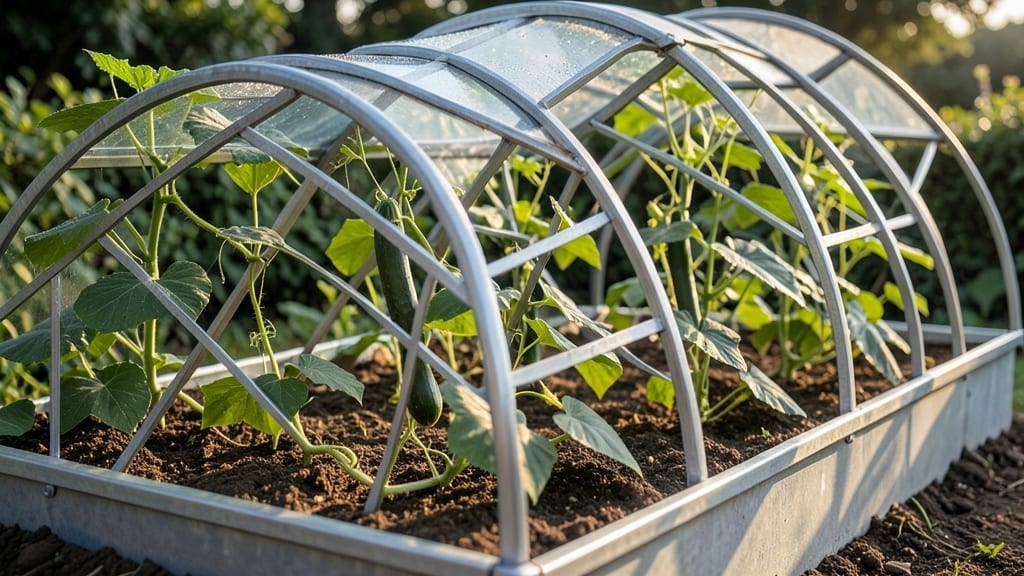
Maximize your small-space garden with a decorative metal trellis cover that serves triple duty: supporting climbing plants like cucumbers or beans, shielding them from heavy rain, and creating dappled shade to regulate soil temperature.
Choose galvanized steel or powder-coated aluminum for durability and rust resistance. Position the trellis at a 45-degree angle to maximize vertical growth while allowing airflow—critical for preventing fungal diseases in humid climates. The lattice design also diffuses sunlight, protecting heat-sensitive plants from scorching during peak summer hours.
Urban gardeners and balcony growers will love this space-saving solution, as it transforms a single raised bed into a self-sustaining vertical garden without sacrificing floor space. The modern aesthetic elevates your garden's design while keeping vining plants happy and productive. 🌻
Woven Straw or Seagrass Mats
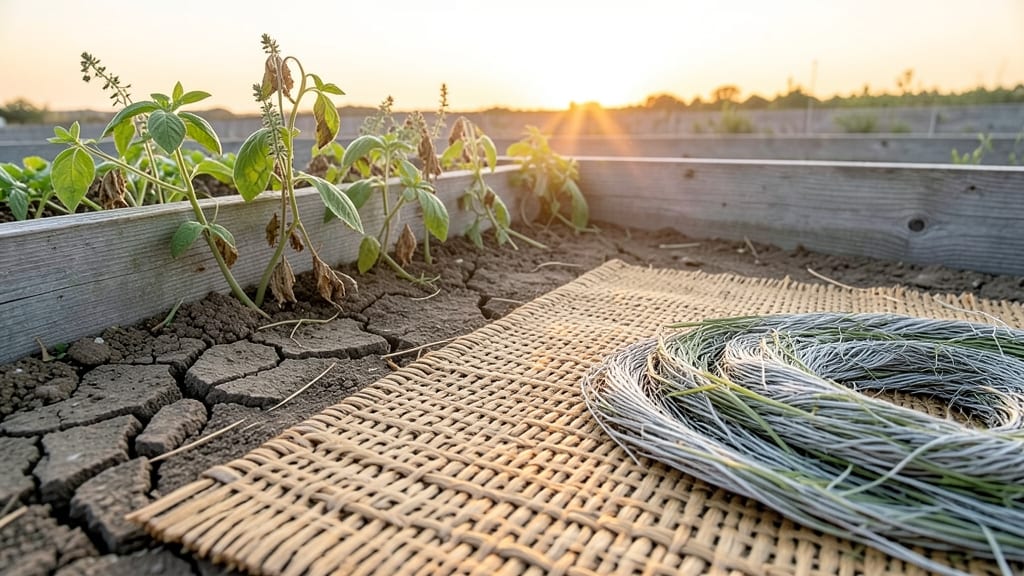
Hot summer days can turn your raised bed into a desert—dry, cracked soil and wilting plants are no match for the sun. Woven straw or seagrass mats offer a natural, breathable shield that keeps moisture locked in while blocking weeds, making them the perfect solution for heat-stressed gardens.
These mats work by creating a microclimate that reduces evaporation while allowing air and water to reach roots. Simply lay them over freshly planted beds or mulch, securing edges with landscape pins. They’re especially effective for herbs, leafy greens, and shallow-rooted veggies that struggle in intense heat. Plus, they decompose over time, enriching the soil with organic matter.
This is the ideal choice for organic gardeners and those who want a zero-waste solution. The rustic texture also adds a charming, natural aesthetic to your garden beds—no plastic or synthetic materials needed. 🌿
Clear Polycarbonate Panels for Greenhouse Effect
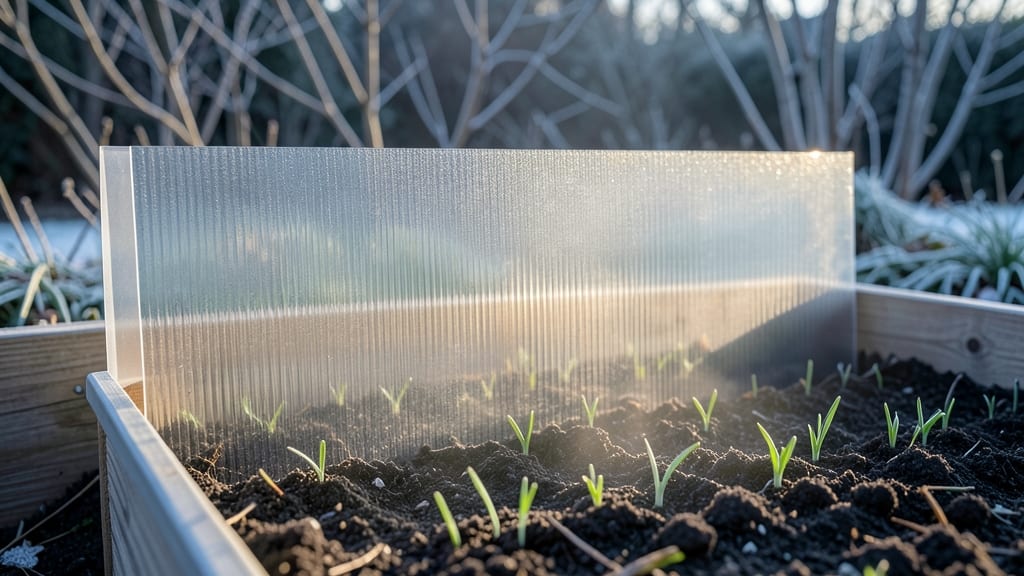
Cold snaps and late frosts threatening your early spring plants? Clear polycarbonate panels act like a mini greenhouse, trapping warmth while letting sunlight fuel growth—ideal for Zone 3-5 gardeners or anyone eager to jumpstart their season.
These UV-stabilized panels (rated for 10+ years) provide 90% light transmission while insulating soil up to 10°F warmer than uncovered beds. Secure them with clips or weights, leaving 2-3 inches of air space above plants to prevent overheating. Perfect for cool-season crops like spinach or peas, they can extend harvests by 3-4 weeks in both spring and fall.
This solution is a game-changer for urban gardeners with limited space or those in frost-prone areas. Just remove panels during warm days to avoid overheating—your plants will thank you with earlier, healthier growth. ✨
Living Roof with Succulents or Sedum
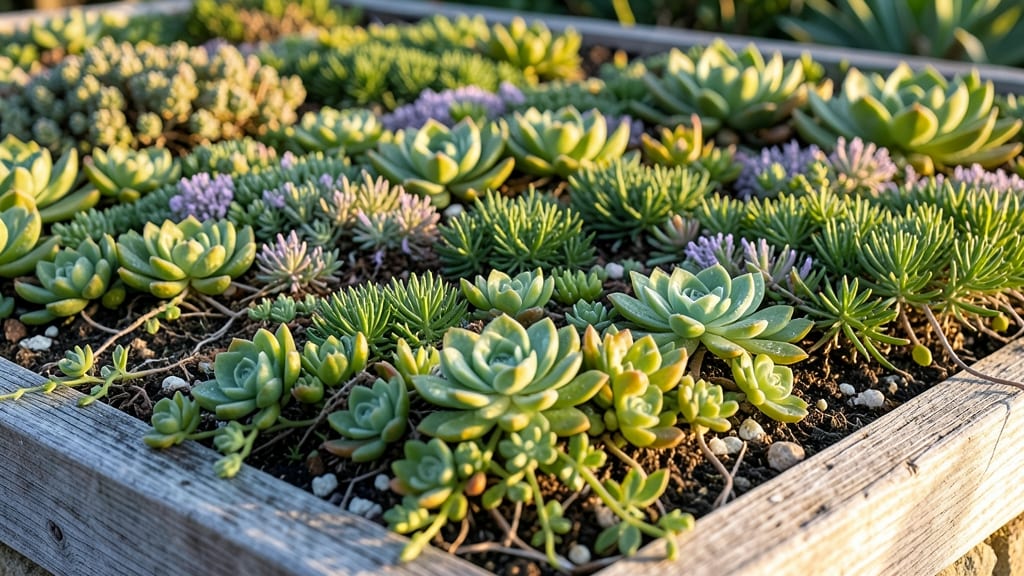
Want a raised bed cover that does double duty—protecting your soil and turning your garden into a pollinator paradise? A living roof made of succulents or sedum creates a lush, self-sustaining green carpet that insulates soil, retains moisture, and thrives in drought-prone conditions. Unlike synthetic covers, this living layer grows thicker over time, offering better protection against temperature swings and erosion while adding stunning vertical texture.
Start with drought-tolerant sedum varieties like Sedum spurium or Sedum album, which spread easily and handle poor soil. Plant plugs in a dense, overlapping pattern (about 6 inches apart) on a shallow layer of lightweight potting mix. Water thoroughly for the first month, then let nature take over—they’ll self-propagate and form a thick mat that blocks weeds and regulates soil temps. For extra insulation, add a 1-2 inch layer of straw beneath the plants in winter.
This is the ultimate solution for urban gardeners with limited space or arid climates, as it reduces watering needs while creating a thriving microhabitat for bees and butterflies. Plus, the vibrant colors and textures make your raised bed a standout feature—no plastic or fabric required! 💚
Foldable Fabric Canopies for Rain Protection
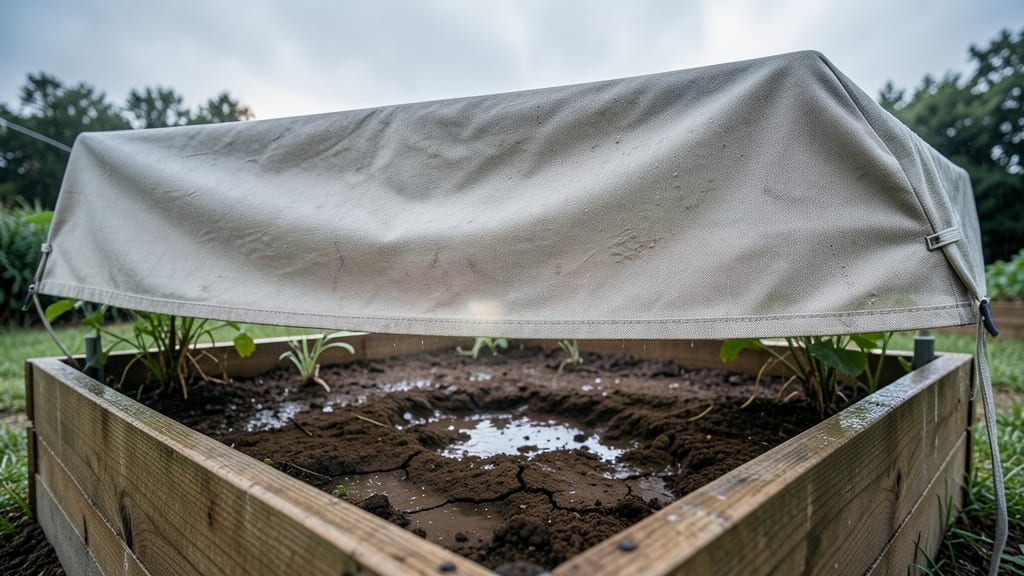
Tired of soggy soil and drowned plants after a downpour? Foldable fabric canopies are the game-changer for clay-heavy soils where water pools instead of draining. Unlike rigid plastic covers, these lightweight, breathable fabrics deflect heavy rain while allowing excess moisture to evaporate—preventing the waterlogged conditions that stunt root growth.
Look for polyester or cotton-blend canopies with UV protection to extend their lifespan. Secure them with adjustable straps or corner weights to create a snug fit over your raised bed, leaving space for airflow. For gardens prone to flash floods, opt for canopies with drip edges to channel water away from plant stems. They’re especially useful for leafy greens and herbs that suffer from overwatering.
Perfect for gardeners in monsoon-prone or clay soil regions, these canopies fold compactly for storage and can be moved between beds as needed. No more sacrificing aesthetics for functionality—choose from neutral tones or subtle patterns that blend seamlessly with your garden. 🌟
Decorative Stone or Slate Slabs
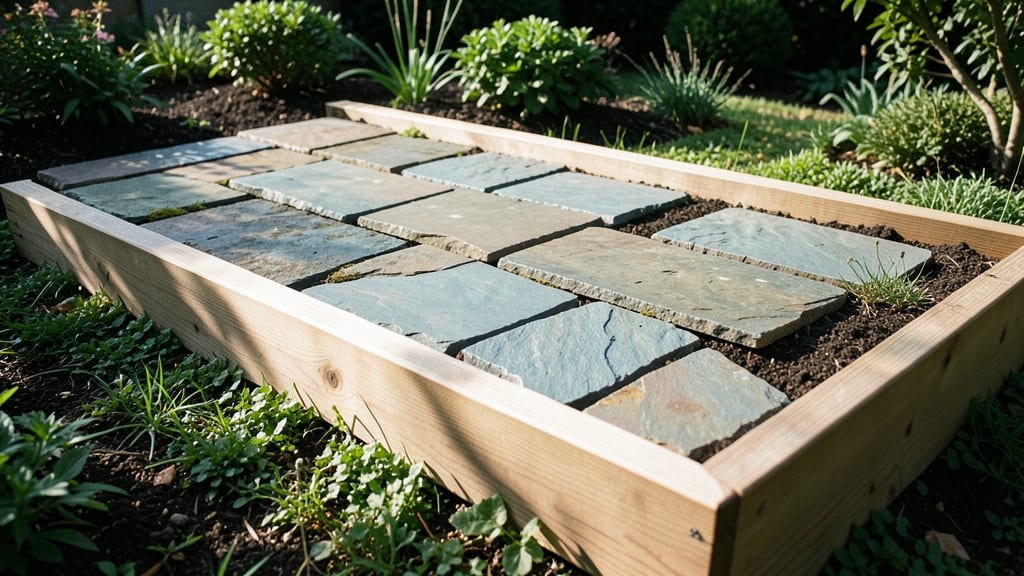
Want a raised bed cover that’s as beautiful as it is functional? Decorative stone or slate slabs transform your garden into a timeless, rustic retreat while suppressing weeds and insulating soil during winter’s harshest months. These heavy, flat stones create a polished, natural look that blends seamlessly with any landscape—no plastic or fabric required.
Slate or flagstone slabs (2-3 inches thick) should be spaced slightly apart to allow water drainage while blocking light from weeds. Place them over perennial beds in late fall, securing edges with landscape pins if needed. The stones’ thermal mass regulates soil temperature, protecting roots from freeze-thaw cycles and keeping perennials like hostas or lavender thriving through winter. For extra style, choose slabs with natural texture or moss-growing edges.
This is the perfect solution for gardeners who love low-maintenance, high-impact design—ideal for cottage-style gardens, Mediterranean landscapes, or modern minimalist beds. The stones last decades, making them a one-time investment that pays off in both beauty and plant health. 💚
Hessian or Burlap Sack Covers
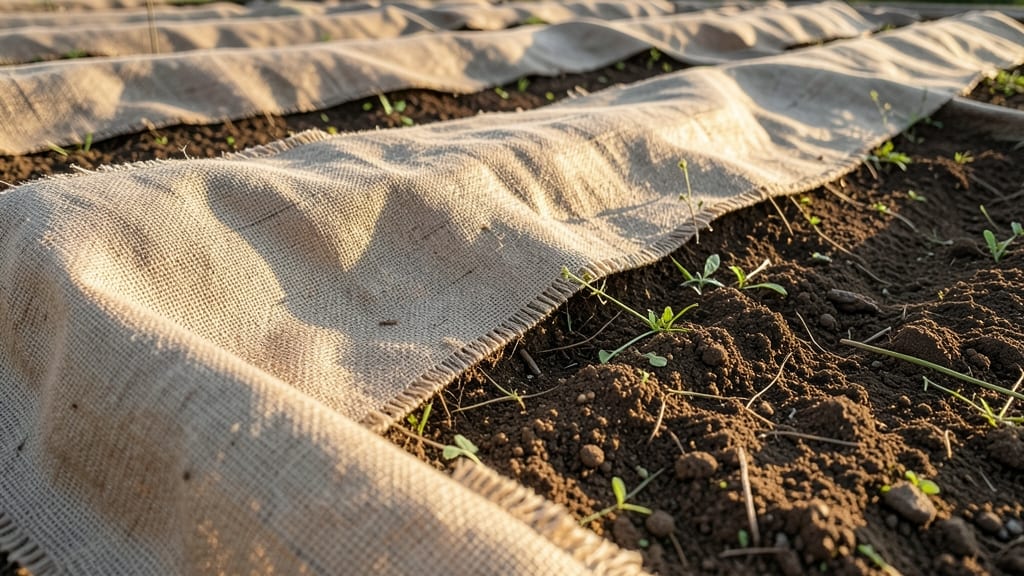
Tired of synthetic covers that leave your soil depleted and your garden looking sterile? Hessian or burlap sack covers offer a natural, biodegradable alternative that actually improves your soil over time while smothering weeds—no tilling required.
Made from 100% natural fibers, these covers block 90% of sunlight to prevent weed seeds from germinating while allowing air and moisture to reach your soil. As they decompose (usually over 1-2 years), they add organic matter and improve soil structure—ideal for no-till gardeners or those transitioning to regenerative practices. Simply drape them over beds in early spring or after harvest, securing edges with rocks or landscape pins.
This is the perfect solution for organic gardeners who want to reduce tilling, cut down on synthetic mulches, and build healthier soil naturally. The rustic texture also adds a charming, farmhouse aesthetic to your raised beds. 🌿
Solar-Powered LED Light Canopies

Late-season harvests and urban gardens with limited sunlight can still thrive with solar-powered LED light canopies, a dual-purpose solution that extends growing hours while deterring nighttime pests. Unlike traditional covers, these systems combine UV-resistant, semi-transparent panels with integrated solar lights that activate at dusk, creating a bright, pest-repelling environment without extra wiring or electricity costs.
Installation is simple: attach the lightweight canopy frame over your raised bed using clips or stakes, then position the included solar panels in direct sunlight. The motion-activated LEDs (typically 10-20 lumens) confuse insects like moths and slugs while providing enough light for low-light-loving greens like kale or spinach to continue photosynthesizing. For urban gardeners, these canopies add a modern, tech-savvy aesthetic while keeping plants productive until first frost.
This is the perfect choice for small-space growers or anyone with late-season crops needing extra protection. The solar-powered feature means zero maintenance—just set it up and let the sun do the work while your plants stay safe and productive. 💡