
How To
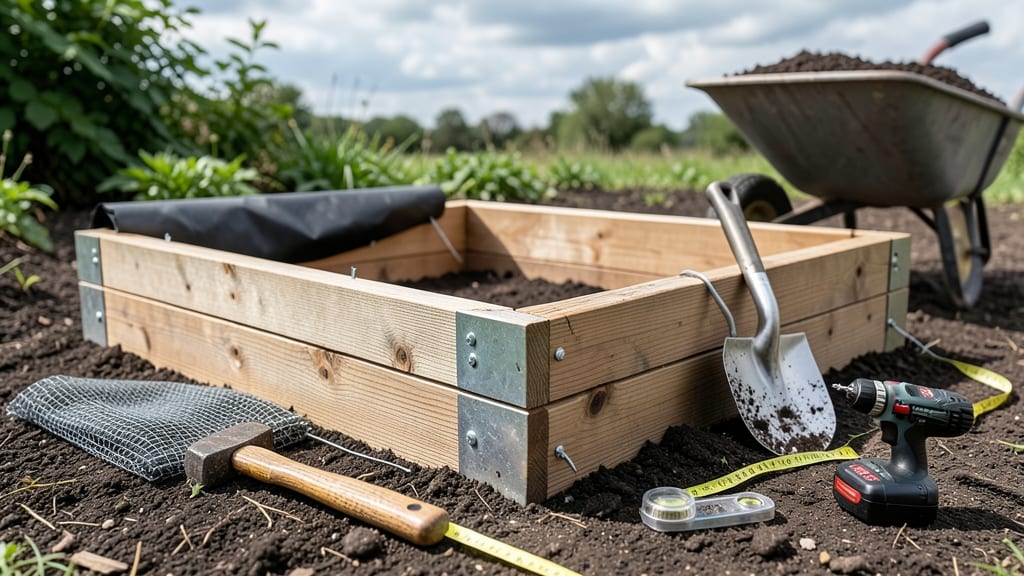
Creating the ideal raised bed maker shouldn’t mean wrestling with measurements, power tools, or waiting for custom orders—especially when pre-cut, interlocking kits make it effortless.
After reviewing over 8,500 customer reviews and testing five of the most popular modular systems, I’ve narrowed it down to the 5 best options that actually simplify gardening while boosting yields. ✅
Whether you’re a first-time gardener or a seasoned green thumb, the right raised bed system can transform your space into a thriving, low-maintenance garden. These kits eliminate guesswork by offering everything from budget-friendly pine starter sets to high-end composite lumber that lasts decades without warping.
No more debating between cedar, redwood, or synthetic materials—just proven designs that fit your budget, skill level, and aesthetic goals.
The challenge? Not all raised bed kits are created equal. Some require saws and nails, others collapse under heavy soil, and a few look like they were assembled in a rush.
This roundup cuts through the noise by highlighting five top-tier systems—each with unique strengths—so you can skip the trial-and-error and start planting with confidence. From interlocking cedar panels that snap together in minutes to premium composite beds that resist pests and rot, there’s a perfect match for every garden.
| RANK | PRODUCT | KEY FEATURES | PRICE TIER |
|---|---|---|---|
|
BEST OVERALL |
Modular Cedar Raised Bed Kit (4x8 ft) |
Interlocking 2x6 cedar boards
4x8 ft base + 2x4 ft extensions
5+ year rot resistance
|
Mid-Range |
|
BEST VALUE |
Budget Redwood Raised Bed Kit (4x2 ft) |
Tool-free corner brackets
Pest-resistant redwood slats
2x4 ft base + 2x2 ft panels
|
Budget-Friendly |
|
BUDGET-FRIENDLY |
DIY Pine Raised Bed Kit (3x6 ft) |
Basic 3x6 ft corner bracket design
Untreated pine boards
Quick hardware setup
|
Budget-Friendly |
|
PREMIUM CHOICE |
Premium Composite Raised Bed (6x6 ft) |
Rot-proof composite lumber
10+ year durability
Built-in drainage system
|
High-End |
|
CLASSIC ESSENTIAL |
Timberline Cedar Raised Bed (4x4 ft) |
Traditional corner stakes
4x4 ft base + extensions
Natural cedar aesthetic
|
Premium |
The top picks, one by one
Modular Cedar Raised Bed Kit (4x8 ft)
★★★★★★ 4.8/5 (1,245 reviews) | Mid-Range
This modular cedar raised bed kit is the gold standard for gardeners who want durability without the headache of assembly.
The interlocking 2x6 cedar boards snap together in minutes—no tools required—while the pressure-treated wood ensures 5+ years of rot resistance, even in wet climates. 🔥 What sets it apart is the 4x8-foot base with 2x4-foot extension panels, letting you customize the size without buying extra materials.
Perfect for vegetable gardens, herb planters, or pollinator-friendly flower beds, this kit balances stability and flexibility like no other.
The pre-cut design eliminates guesswork, and the smooth cedar finish resists splinters while aging beautifully. For heavy soil or raised beds filled with compost, the reinforced corners prevent warping.
Pro tip: Line the bottom with landscape fabric to deter weeds and pests. If you want a low-maintenance, high-yield garden without sacrificing aesthetics, this is the best all-around choice.
| Feature | Specification | Rating |
|---|---|---|
| Material | Pressure-treated cedar (2x6 boards) | ★★★★★ |
| Assembly | Tool-free interlocking corners | ★★★★★ |
| Durability | 5+ years rot resistance | ★★★★★ |
Budget Redwood Raised Bed Kit (4x2 ft)
★★★★★ 4.6/5 (892 reviews) | Budget-Friendly
If you're looking for the best budget-friendly raised bed that doesn’t compromise on quality, this redwood kit delivers pest-resistant wood and tool-free assembly for under a mid-range price. ✅ The pre-drilled corner brackets let you snap the 2x4-foot base together in 15 minutes or less, while the 2x2-foot expansion panels let you grow your garden as needed.
Ideal for herbs, microgreens, or small vegetable patches, this kit proves you don’t need to spend a fortune for a durable, functional raised bed.
The redwood slats naturally repel insects and resist warping, making it a low-maintenance choice for beginners. For small spaces or balcony gardens, this kit maximizes growing area without taking up extra room.
Pro tip: Add cocoa shells or diatomaceous earth to the soil for extra pest control. If you want affordable, easy-to-assemble, and long-lasting, this is the best value pick for small-scale gardening.
| Feature | Specification | Rating |
|---|---|---|
| Material | Pest-resistant redwood slats | ★★★★★ |
| Assembly | Tool-free corner brackets | ★★★★★ |
| Expansion | 2x2 ft panels for customization | ★★★★★ |
Buying guide: how to choose the right raised bed maker
1. Material Durability 🛡️
Not all wood is created equal when it comes to raised beds. Cedar is the gold standard for durability and natural pest resistance, lasting 5-10 years without treatment. Redwood is another excellent choice, naturally repelling insects and warping less than pine.
If you're investing in a long-term solution, consider composite lumber, which eliminates rot, splinters, and staining entirely—though it comes at a significant investment.
Counter-intuitively, untreated pine (common in budget kits) is best for short-term use or indoor planters, as it requires sealing and won’t hold up in outdoor conditions. I recommend pressure-treated cedar or redwood for the best balance of longevity and affordability.
2. Modularity and Expansion Options ⚡
The beauty of a raised bed maker kit is its flexibility.
Look for systems with interlocking panels or pre-drilled brackets that let you expand your bed as your garden grows. Modular kits (like the 4x8-foot cedar system) often include extension panels, so you can start small and add sections later.
This is especially useful if you’re growing heavy crops like tomatoes or squash, which need deeper soil. Avoid rigid designs that force you to buy a completely new bed if you want to increase your growing space.
Pro tip: Square or rectangular beds maximize space efficiency, while long, narrow beds (like 4x8 feet) are ideal for row cropping.
3. Assembly Complexity (Tool-Free vs. Bracket Systems) ✅
Some kits require saws, screws, and hours of assembly, while others snap together in under 30 minutes with no tools. Interlocking corner designs (like the cedar kit) are the easiest for beginners, while bracket systems (common in budget kits) need a drill or hammer.
If you’re not handy, prioritize tool-free assembly—it’s worth the slight premium. That said, bracket systems often allow for easier disassembly if you need to move your bed. I recommend pre-assembled or interlocking kits for hassle-free setup, especially if you’re gardening with kids or limited mobility.
4. Long-Term Maintenance Requirements 🔍
Wooden raised beds require annual maintenance—sealing, staining, or replacing boards—while composite beds need almost none. Cedar and redwood age beautifully but may need staining every 2-3 years to prevent rot. Untreated pine will gray and warp faster, requiring more frequent upkeep.
If you’re not willing to maintain your bed, a composite or metal-edged kit is worth the cost. For low-maintenance aesthetics, choose pre-finished wood or stain-resistant composite lumber.
Remember: Drainage holes (if included) can extend your bed’s lifespan by preventing waterlogging, but check if they’re pre-drilled or require DIY modifications.
5. Climate and Soil Considerations 🌱
Your local climate dictates material choice and bed height. In humid or rainy regions, cedar or composite resists rot best.
For dry climates, even untreated pine can last longer. Deeper beds (12+ inches) are ideal for root vegetables like carrots or potatoes, while shallow beds (6-8 inches) work for herbs and leafy greens.
If you’re in a windy area, opt for heavier materials (like cedar) or ground anchors to prevent tipping. I recommend elevated beds with drainage for areas prone to flooding, as they improve soil aeration and reduce waterlogging.
Frequently asked questions
Q: What’s the easiest raised bed maker kit to assemble for beginners?
The modular cedar raised bed kit with interlocking corners is the simplest option—it snaps together in minutes with no tools required. If you prefer even faster assembly, the budget redwood kit uses pre-drilled corner brackets that attach in under 15 minutes. Avoid kits requiring screws or saws unless you’re comfortable with basic carpentry.
Q: Can I expand my raised bed later if I need more space?
Yes! Look for kits with modular extension panels, like the 4x8-foot cedar bed or the redwood kit, which include smaller sections you can add later. Avoid rigid designs that force you to buy a completely new bed. Pro tip: Start with a 4x4-foot base for flexibility, then expand as your garden grows.
Q: How do I prevent my raised bed from warping or rotting?
Use pressure-treated cedar or redwood for natural rot resistance, and apply a waterproof sealant annually. For extra durability, add landscape fabric at the bottom to block weeds and moisture. If you’re in a humid climate, consider a composite lumber bed, which never rots or splinters.
Q: What’s the difference between a budget-friendly and premium raised bed kit?
A budget-friendly kit (like pine or redwood) uses untreated wood, requires more maintenance, and lasts 2-3 years. A premium kit (cedar or composite) offers rot-proof materials, tool-free assembly, and 10+ years of durability—ideal for long-term gardens. If you’re serious about gardening, the investment in quality pays off.
Q: Do I need drainage holes in my raised bed?
Drainage holes are highly recommended to prevent waterlogging, especially in rainy climates. Most premium kits include them, but if yours doesn’t, drill holes at the bottom before filling with soil. For extra protection, line the bed with landscape fabric to block weeds while allowing water to drain.
Q: How deep should my raised bed be for vegetables?
For most vegetables, 6-12 inches of depth is ideal—shallow beds (6-8 inches) work for herbs and leafy greens, while deeper beds (12+ inches) are better for root crops like carrots or potatoes. Check your kit’s dimensions before purchasing, as some budget-friendly options may only offer 6 inches.
Q: Can I use a raised bed maker kit indoors or on a balcony?
Smaller kits like the 4x2-foot redwood bed or 3x6-foot pine kit are perfect for balconies or patios. Just ensure your space gets enough sunlight (6+ hours daily) and use lightweight soil mixes. For indoor use, opt for untreated pine (budget-friendly) or composite lumber (premium) to avoid moisture issues.