
Tools
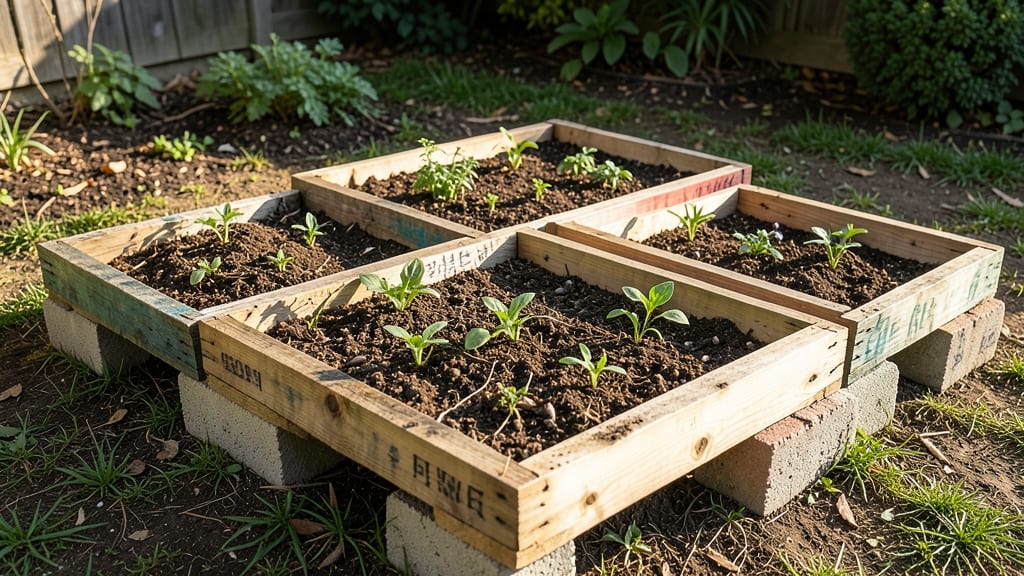
Small yards don’t mean small harvests. These 10 raised bed vegetable garden layouts maximize space, boost yields, and adapt to any sunlight or soil condition—perfect for urban gardeners and homesteaders alike.
Square Foot Gardening Grid Layout
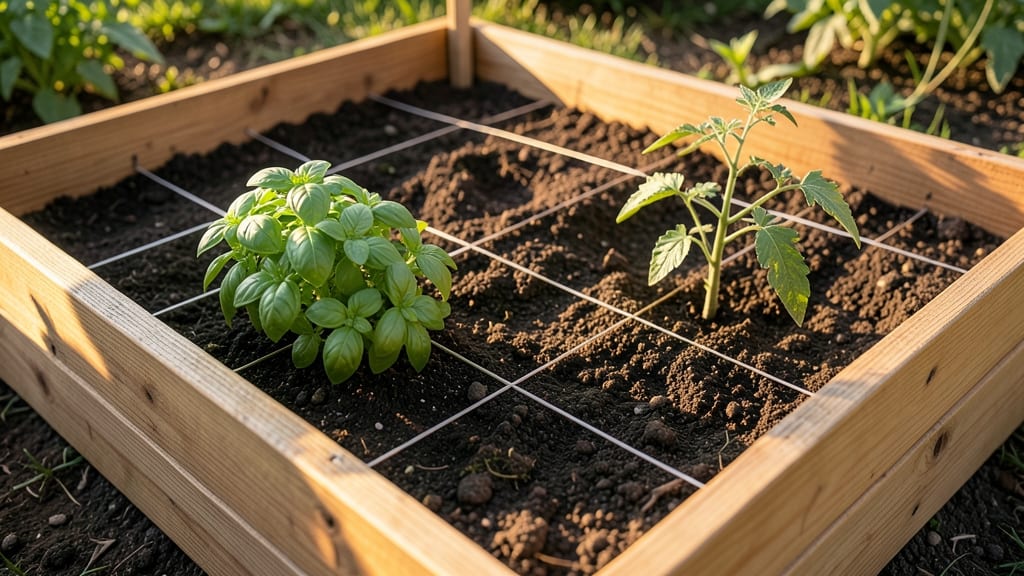
Tired of wasted space and bent-over gardening? The square foot gardening grid layout transforms your raised bed into a precision tool—no guesswork, just science-backed efficiency. This system divides your bed into 1-foot squares, each optimized for specific plants, ensuring every inch works harder.
Start by mapping your bed into a grid (e.g., a 4x4-foot bed becomes 16 squares). Use a plant spacing chart to assign crops: 16 basil plants per square, 4 onions, or 1 tomato plant per square. The grid minimizes overcrowding, reduces water waste, and lets you harvest without crawling. Perfect for small urban spaces or beginners, it’s the ultimate space-saver for high yields. 💡
Vertical Trellis Vegetable Tower
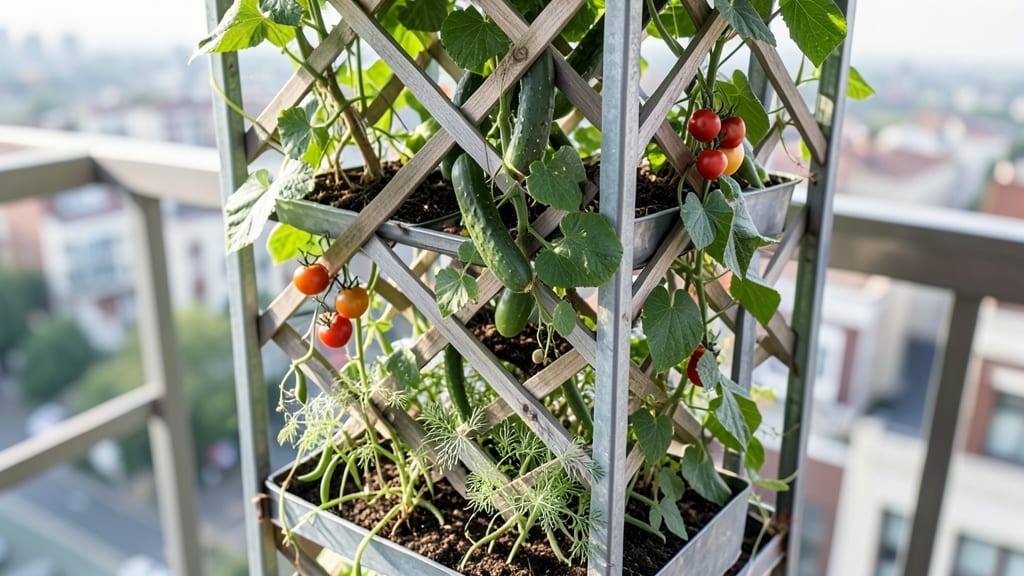
Turn your balcony or patio into a vertical edible garden with a 3-tier trellis vegetable tower—the perfect solution for growing space-hungry plants like cucumbers, pole beans, and cherry tomatoes without sacrificing floor space. This design transforms vining plants into a lush, living green wall that adds beauty and productivity to small areas.
Start by building a sturdy frame (cedar or galvanized metal works best) with three levels, each spaced 12-18 inches apart to accommodate plant growth. Plant fast-growing bush beans in the bottom tier, pole beans or peas in the middle, and cucumbers or indeterminate tomatoes at the top. Use twine or spiral trellis netting to guide vines upward, and ensure each tier has drainage holes to prevent waterlogging. Rotate the tower occasionally to expose all sides to sunlight.
This layout is ideal for urban gardeners, renters, or anyone with limited space—it maximizes vertical growing while keeping plants accessible for harvesting. Plus, the cascading foliage creates a stunning focal point that rivals any decorative wall. 🌿
Mediterranean Herb Spiral Design
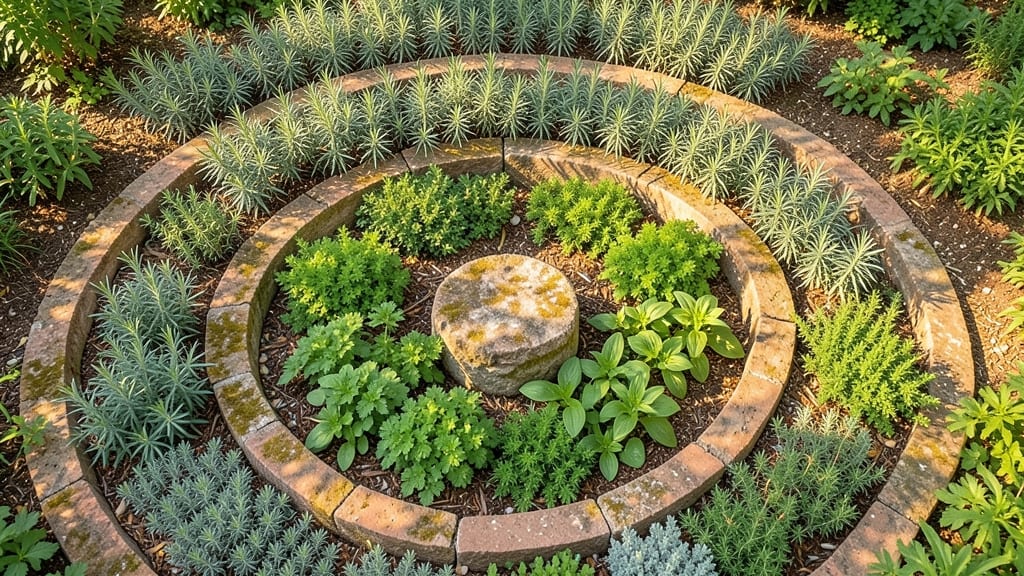
Transform your small garden into a fragrant Mediterranean oasis with a herb spiral design—a circular layout that thrives in partial shade while adding visual charm. This space-saving shape lets you grow rosemary, thyme, oregano, and parsley in concentric rings, each with ideal growing conditions for different light and moisture needs.
The spiral’s outer ring gets the most sun, perfect for drought-tolerant rosemary, while the inner curves hold moister soil for parsley and cilantro. Plant taller herbs like rosemary on the north side to avoid shading shorter varieties. The design also doubles as a low-maintenance border, keeping weeds at bay while providing fresh herbs within arm’s reach.
Ideal for urban gardeners with limited space or those who love the scent of Mediterranean herbs, this layout turns a simple raised bed into a functional and fragrant centerpiece. 🌿
Keyhole Garden with Compost Hub
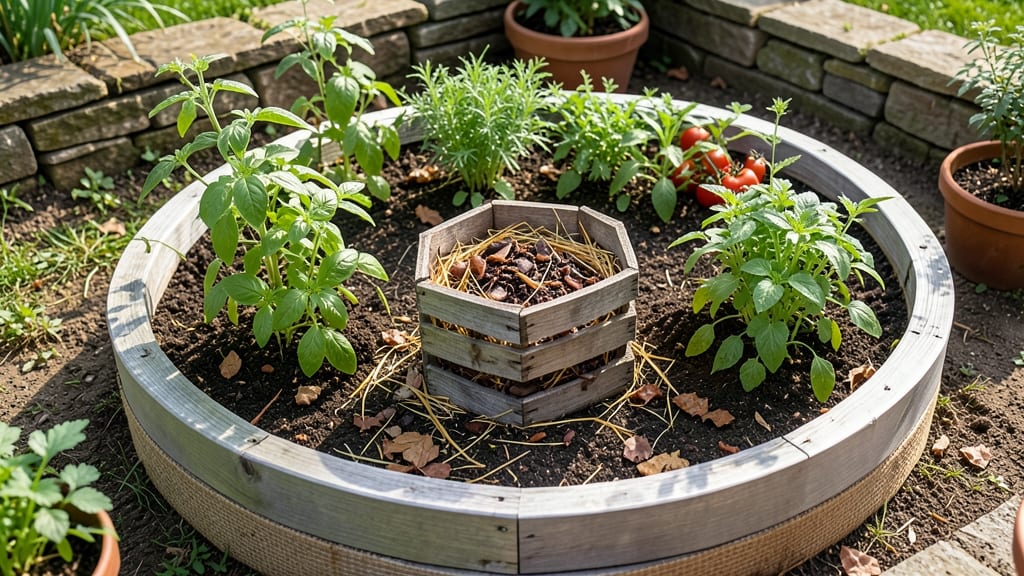
Tired of watering your garden daily? The keyhole garden with a compost hub is your answer—this circular raised bed design feeds itself while reducing your workload. The central compost basket (filled with kitchen scraps, leaves, or straw) slowly releases nutrients to the surrounding plants, cutting water needs by up to 50% in dry climates.
Build it with a stone or brick border (4-5 feet wide) and a compost basket in the center. Plant drought-tolerant crops like Swiss chard, carrots, and kale around the edges, where roots can access moisture from the compost. The design also works as a low-maintenance mulch system—just add scraps to the basket every few weeks, and the soil stays rich without extra fertilizers.
Perfect for urban gardeners, drought-prone areas, or beginners who want a hands-off system. Once established, this layout thrives with minimal intervention—just harvest and add compost. 🌱
French Intensive Planting Beds
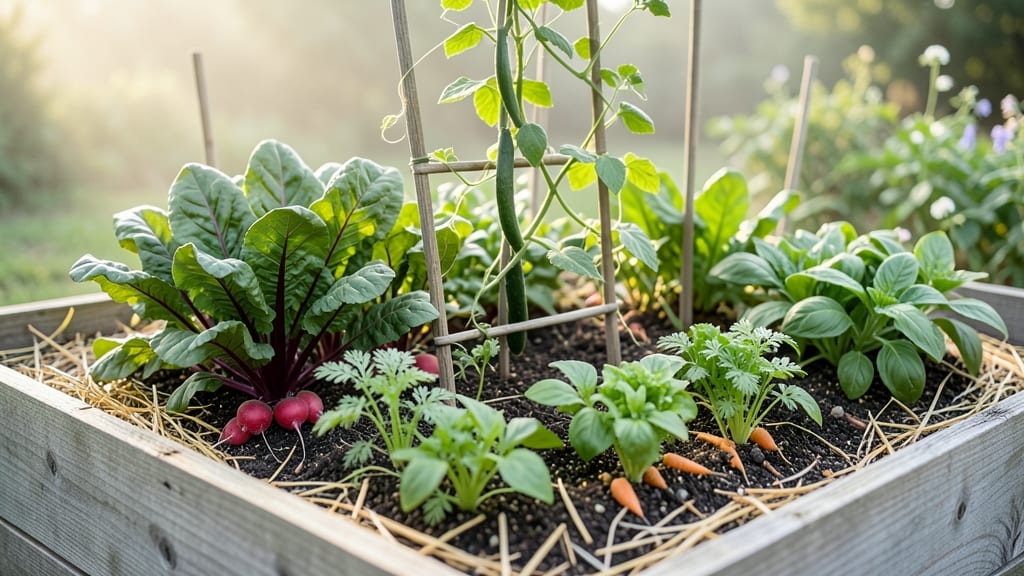
If you’ve ever dreamed of growing more food in less space, French Intensive Planting is the secret weapon for your raised beds. This method—originating from 19th-century France—packs two to three times more plants into the same footprint by layering crops vertically and horizontally, making it ideal for leafy greens and root vegetables.
Start by planting fast-maturing crops like radishes or lettuce in the center, then surround them with slower-growing plants like carrots or onions. Use vertical supports for trailing greens like spinach or Swiss chard, and interplant shallow-rooted herbs between rows. The key is to keep soil rich with compost and mulch to support the dense planting, while harvesting outer plants first to avoid shading inner crops.
This layout is perfect for urban gardeners, small-space growers, or anyone tired of sparse harvests. With minimal extra effort, you’ll enjoy year-round bounty from beds that look lush and productive. 🌱
Container Stacking System
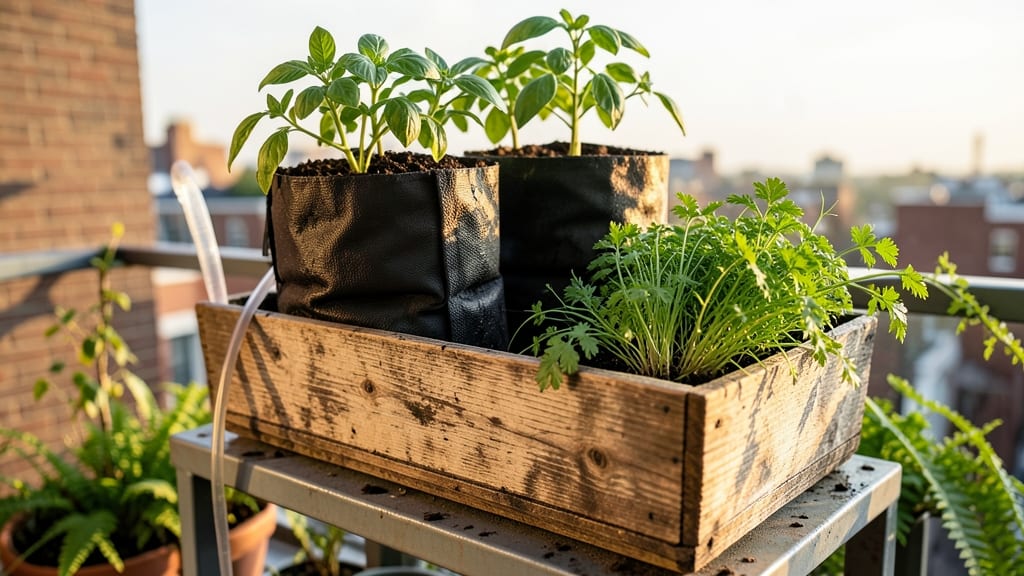
Renting an apartment or dealing with poor soil shouldn’t stop you from growing a thriving garden. A container stacking system turns limited space into a vertical harvest hub, letting you move plants to chase the sun or escape harsh winds.
Start with stackable grow bags or wooden troughs (12-18 inches deep) that nest together for stability. Place sun-loving tomatoes and peppers on the top tier and shade-tolerant basil or lettuce below. Use lightweight pots with drainage holes to prevent root rot, and add casters to the bottom tier for easy repositioning. This system works especially well for balconies or patios where soil quality is unreliable.
Perfect for renters or urban gardeners, this modular approach lets you rotate crops seasonally or relocate plants as sunlight patterns shift. Plus, the vertical design maximizes yield without permanent ground commitment. 🌱
Asian Bamboo Fence Raised Beds
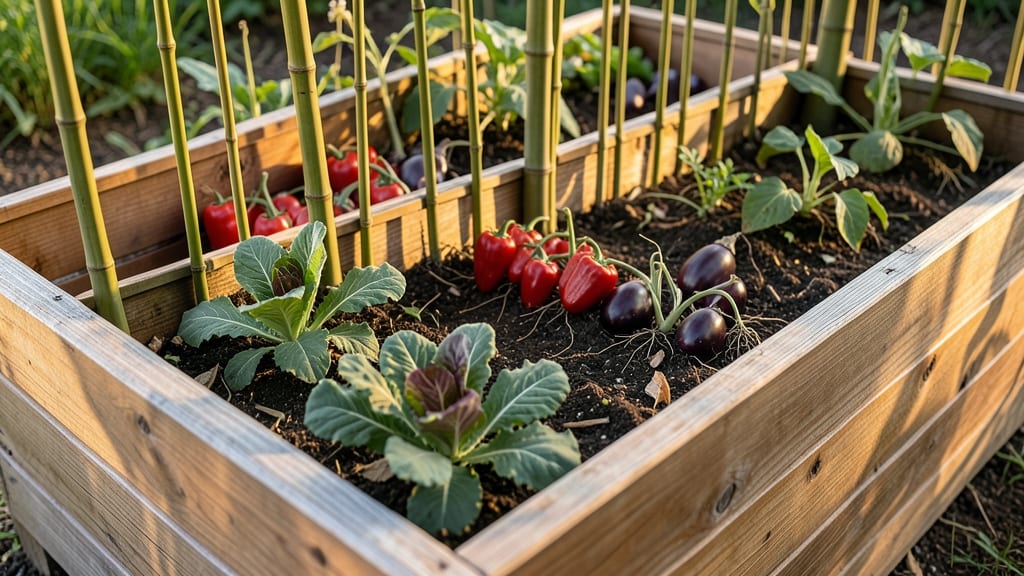
Transform your raised bed into a microclimate masterpiece with Asian bamboo fence partitions—a clever way to grow both heat-loving peppers and eggplants alongside cool-season greens in the same space. This traditional design creates natural temperature zones, letting you extend your growing season without extra work.
Install woven bamboo screens (3-4 feet tall) to divide your bed into sections. Place peppers and eggplants on the sunny side, where they’ll thrive in full sun, while bok choy, spinach, or lettuce can grow on the shaded side. The bamboo also provides wind protection and adds a striking, natural aesthetic to your garden. For best results, space partitions 18-24 inches apart and use well-draining soil enriched with compost.
This layout is ideal for urban gardeners with limited space or those who want to grow diverse crops in one bed. The partitions are easy to install and can be adjusted as your plants grow—perfect for small yards or balconies! 🌱
Salad Table Planter Layout
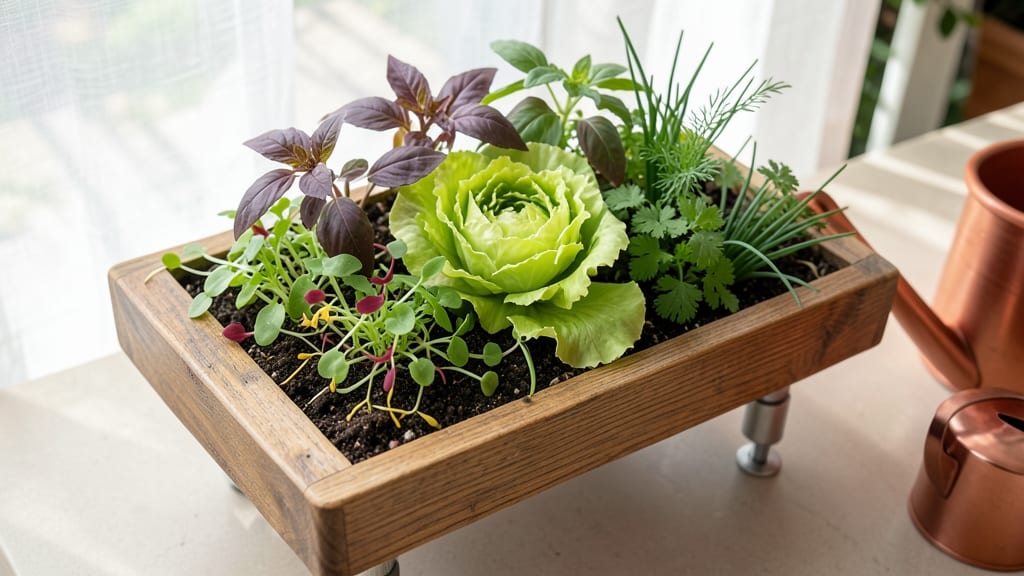
Bring the garden to your kitchen or patio with a salad table planter—a stylish, elevated design that puts fresh greens and herbs within arm’s reach. This layout is perfect for those who crave daily harvests of crisp lettuce, peppery arugula, and tender microgreens without stepping outside.
Start with a 4x4-foot wooden planter box (or repurpose a vintage table) filled with well-draining soil. Plant fast-growing leafy greens like spinach and kale in the center, surround them with herbs such as basil and chives in small terracotta pots, and tuck microgreens like radish or broccoli sprouts along the edges for quick turnover. Place the table in 4-6 hours of morning sun to keep greens fresh and prevent bolting.
This design is a game-changer for urban gardeners, renters, or anyone with limited outdoor space. Not only does it maximize freshness, but it also doubles as a charming centerpiece for al fresco meals. 🌱
Three Sisters Companion Planting
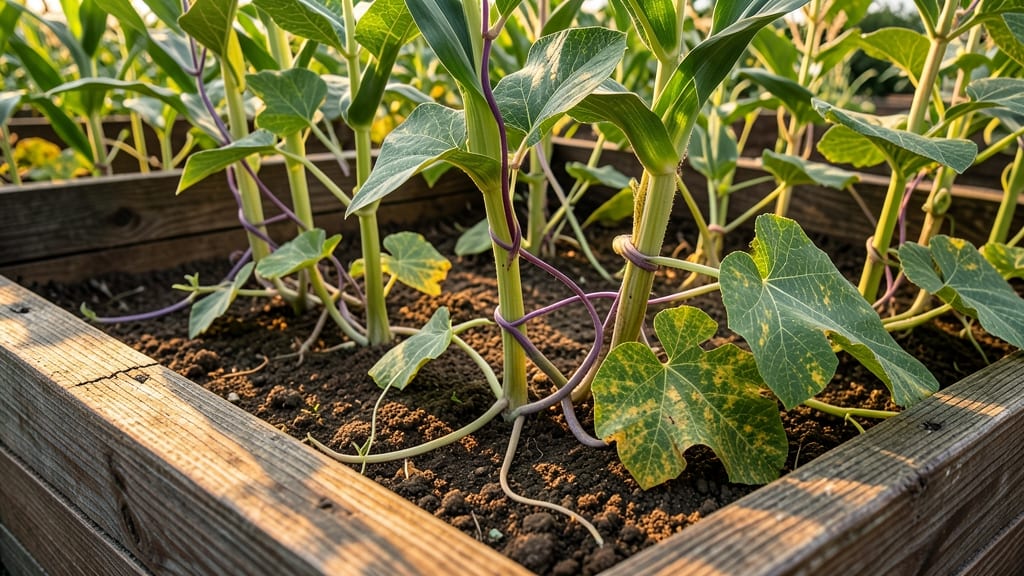
Looking for a low-maintenance, historically rich way to grow vegetables that supports each other naturally? The Three Sisters Companion Planting—a Native American technique—combines corn, beans, and squash in one raised bed to create a thriving, self-sustaining ecosystem.
Here’s how it works: Corn provides vertical support for pole beans to climb, while the beans fix nitrogen in the soil, enriching it for all three plants. Squash spreads along the ground, shading the soil to retain moisture and suppress weeds. Plant corn first (4–6 inches apart), then beans (1–2 inches from corn stalks), and finally squash (2–3 feet from corn) to mimic traditional spacing. This method reduces pests, conserves water, and yields abundant harvests with minimal effort.
Perfect for beginners or gardeners seeking a hands-off, sustainable approach, this layout also adds cultural depth to your garden while producing staples like sweet corn, tender beans, and hearty squash. 🌱
Modular Pallet Garden System

Tired of hauling heavy raised beds or dealing with soil depletion? A modular pallet garden system turns discarded wood into a lightweight, movable garden that adapts to your space—and your crops' needs. These upcycled pallets create individual planting units you can rearrange seasonally to refresh soil health and sunlight exposure.
Start by stacking pallets vertically or horizontally, securing them with rust-resistant screws or brackets. Fill each with a mix of compost, coconut coir, and native soil for drainage and fertility. Plant fast growers like lettuce, radishes, or bush beans in early pallets, then rotate them out for tomatoes, peppers, or strawberries later in the season. The key is mobility—move pallets to follow the sun or protect delicate plants from wind.
This system is a game-changer for renters, urban balconies, or small yards, offering flexibility without the permanence of built-in beds. Plus, it’s a sustainable way to repurpose materials while keeping your garden thriving. 🌱