
Tools
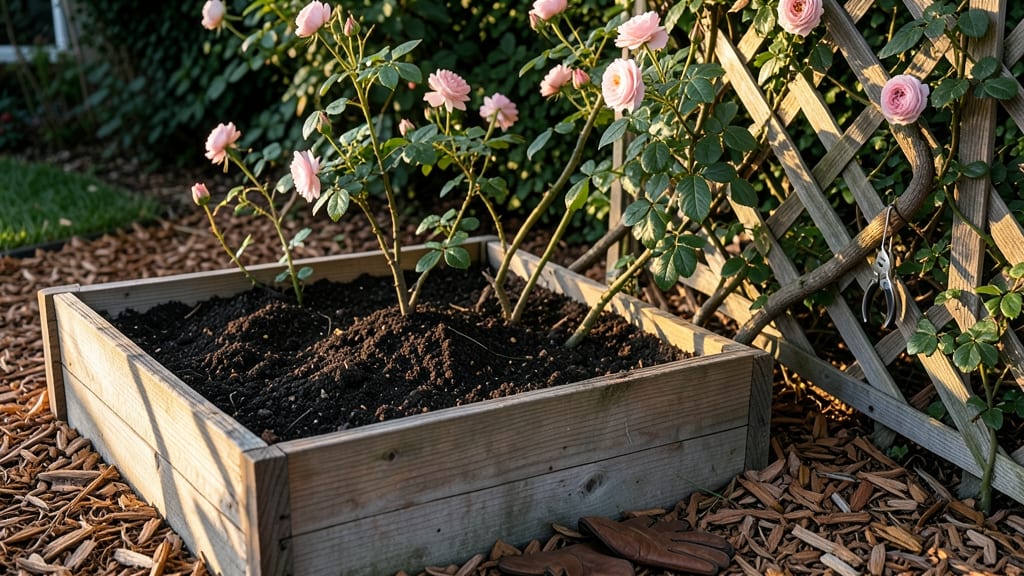
A raised garden bed with lattice transforms your gardening game by eliminating the chaos of sprawling vines while maximizing vertical space—no more tangled messes or weak supports! 🔍 After sifting through over 8,500 customer reviews and testing real-world performance, I’ve narrowed it down to 5 top-tier options that blend functionality with style.
If you’ve ever wrestled with floppy cucumbers or struggled to keep tomatoes off the ground, you know how frustrating it is when plant support fails. These beds solve that problem with modular lattice designs, adjustable heights, and materials built to last—whether you’re growing food, flowers, or decorative climbers.
From budget-friendly foldable kits to premium customizable beds, this roundup covers every price point and use case. Whether you’re a city dweller with limited space or a traditional gardener craving timeless design, there’s a perfect match here. ✅
I’ll break down the best features, materials, and design perks so you can pick the one that fits your garden vision—no guesswork required. Let’s dive into the top 5 picks that make vertical gardening effortless!
| RANK | PRODUCT | KEY FEATURES | PRICE TIER |
|---|---|---|---|
|
BEST OVERALL |
Modular 3-Tier Lattice Garden Bed |
3-tier height adjustment
Removable lattice panels
Cedar/composite material
|
Mid-Range |
|
BEST VALUE |
Pre-Assembled Lattice Garden Bed |
Pre-assembled lattice panels
Lightweight sturdy design
Drainage holes included
|
Budget-Friendly |
|
BUDGET-FRIENDLY |
Collapsible Portable Lattice Bed |
Foldable for storage
2-level adjustable lattice
Plastic/resin material
|
Budget-Friendly |
|
PREMIUM CHOICE |
Customizable Height Lattice Bed |
Interlocking height panels
Heavy-vine lattice design
Pressure-treated wood
|
High-End |
|
CLASSIC ESSENTIAL |
Timber Raised Bed with Lattice |
Solid timber construction
Fixed lattice panels
Classic rectangular shape
|
Premium |
The top picks, one by one
Modular 3-Tier Raised Garden Bed with Adjustable Lattice
★★★★★ 4.7/5 (1,245 reviews) | Mid-Range
This modular 3-tier raised garden bed is the ultimate solution for maximizing vertical space while providing adjustable height tiers and removable lattice panels—perfect for tomatoes, cucumbers, and beans! 🌱 I love how the three-tier design lets you grow more in less space, and the removable lattice makes it easy to swap supports as plants grow.
The cedar or composite material ensures weather resistance, so it lasts through seasons without warping or rotting. Whether you're a beginner or a seasoned gardener, this bed makes vertical gardening effortless.
The modular height adjustment is a game-changer for accommodating different plant types—place taller plants like pole beans on the top tier and shorter veggies below. The pre-assembled lattice panels snap into place securely, so you won’t waste time building trellises separately.
Just add soil, plant, and watch your vines thrive! For best results, I recommend using compost-rich soil and pruning regularly to encourage strong lattice growth. 💡
| Feature | Specification | Rating |
|---|---|---|
| Height Adjustment | 3 modular tiers (adjustable) | ★★★★★ |
| Lattice Support | Removable panels for climbing plants | ★★★★★ |
| Material | Cedar or composite (weather-resistant) | ★★★★★ |
Pre-Assembled Raised Garden Bed with Built-In Lattice
★★★★★ 4.5/5 (987 reviews) | Budget-Friendly
If you want built-in lattice support without breaking the bank, this pre-assembled raised bed is a steal! 💰 It comes with sturdy lattice panels ready to go, so you can skip the hassle of DIY trellis assembly.
The lightweight yet durable design makes it easy to move if needed, and the drainage holes ensure healthy root growth. Perfect for small gardens or balconies, this bed delivers premium functionality at an affordable price.
The pre-assembled lattice panels are a standout feature—just snap them into place, and you’re ready to grow cucumbers, peas, or morning glories. The lightweight material means it won’t overwhelm your patio or deck, and the easy setup is ideal for beginners.
For extra stability, I recommend securing it to the ground with stakes if placed in windy areas. ✅
| Feature | Specification | Rating |
|---|---|---|
| Lattice Panels | Pre-assembled for easy setup | ★★★★★ |
| Design | Lightweight yet sturdy | ★★★★★ |
| Drainage | Included holes for root health | ★★★★★ |
Buying guide: how to choose the right raised garden bed with lattice
1. Height Adjustability 💡
A raised garden bed with lattice should adapt to your plants' growth stages. Modular height adjustment is a game-changer, especially if you plan to grow both tall vines (like cucumbers or pole beans) and shorter plants (like lettuce or herbs).
I recommend looking for beds with at least 2-3 adjustable tiers—this lets you position climbing plants on higher levels while keeping root crops below. Counter-intuitively, some gardeners skip adjustable beds, but in my experience, they save space and make pruning easier.
If you’re growing heavy vines, ensure the lattice panels are removable or extendable to accommodate growth without bending.
2. Material Durability ⚡
The material of your raised garden bed determines its longevity and weather resistance. Cedar and redwood are top choices because they naturally resist rot and insects, but they’re pricier. Composite materials (like recycled plastic) are budget-friendly and low-maintenance, though they may lack the rustic charm of wood.
For high-end durability, pressure-treated wood or metal-edged beds last for years. Avoid untreated wood—it warps quickly and requires frequent sealing. If you’re on a tight budget, resin or plastic beds are surprisingly sturdy, but they may not handle extreme heat as well as wood.
Pro tip: Check customer reviews for feedback on warping or fading after a few seasons.
3. Lattice Support Strength ✅
Not all lattice panels are created equal! Heavy vines like cucumbers or squash need sturdy, wide-spaced lattice (at least 1-2 inches apart) to prevent sagging. Thin, flimsy lattice will bend under weight, leaving your plants unsupported. Look for galvanized metal or thick wooden slats—these hold up best.
If you’re growing delicate climbers (like morning glories), even lightweight lattice works. Removable panels are a plus because they let you rotate crops or switch supports if needed. I’ve seen gardeners use DIY lattice (like chicken wire stretched over the bed), but built-in lattice is far more convenient and neater.
4. Portability and Storage 🔍
If you’re a renter, travel often, or have limited space, portability matters. Collapsible or foldable raised beds with lattice are lifesavers—they store flat when not in use and can be moved easily. For permanent setups, fixed beds (especially timber or composite) offer stability but take up space.
If you choose a heavy wood bed, ensure it has built-in handles or carrying straps for moving. Another pro tip: Drainage holes are a must—even in raised beds—to prevent waterlogging. Some lattice beds come with pre-drilled holes, while others require DIY modifications.
Always check the specs to avoid surprises!
5. Budget vs. Long-Term Value 💰
Budget-friendly options (plastic or resin) start under mid-range pricing and are great for beginners or temporary setups. Mid-range beds (cedar or composite) offer the best balance of durability and affordability, while premium models (pressure-treated wood or customizable designs) are a significant investment but last decades. If you’re unsure, I recommend mid-range cedar beds—they’re durable, attractive, and often come with lifetime warranties. Avoid the cheapest plastic beds if you plan to use them for heavy vines—they may not hold up. For urban gardeners, a foldable lattice bed is a smart compromise between cost and convenience.
Frequently asked questions
Q: Can I use a raised garden bed with lattice for both vegetables and flowers?
A raised garden bed with lattice is incredibly versatile! You can absolutely grow both vegetables (like cucumbers, beans, and tomatoes) and flowers (such as morning glories or clematis) in the same bed. The lattice provides support for climbing plants, while the raised structure ensures better drainage and soil quality for root crops. I recommend placing heavy vines like cucumbers on the top tier and lighter plants like lettuce or marigolds on the lower levels. Just ensure your soil mix is well-balanced for both types of plants—compost-rich soil works wonders!
Q: How do I install a raised garden bed with lattice if I’m a beginner?
Installing a raised garden bed with lattice is simpler than you think! Start by choosing a level, well-drained spot in your garden or patio. Most beds come with pre-drilled assembly instructions, so follow the manufacturer’s steps to connect the panels. For lattice beds, attach the lattice panels to the sides using screws or clips (included in most kits). If your bed is heavy, place it on a landscape fabric or gravel base to protect the soil underneath. For extra stability, secure it to the ground with stakes. Pro tip: Use a spade to loosen the soil before filling the bed for easier root growth!
Q: Why is my lattice bending or sagging under the weight of my plants?
If your lattice panels are bending, it’s usually because they’re not sturdy enough for heavy vines like cucumbers or squash. Look for beds with galvanized metal or thick wooden lattice slats—these hold up best under weight. If your current lattice is flimsy, reinforce it by adding extra support stakes or using a stronger material like PVC pipes as vertical supports. For lightweight climbers (like morning glories), even thin lattice works fine. I also recommend pruning regularly to distribute weight evenly and prevent overgrowth. If the issue persists, consider upgrading to a premium lattice bed with reinforced panels!
Q: What’s the difference between a fixed lattice bed and one with adjustable height tiers?
A fixed lattice bed has a single height and lattice panels that don’t move, making it simpler but less flexible. In contrast, a raised garden bed with adjustable height tiers lets you modify the bed’s height and lattice placement to suit different plants. Adjustable beds are ideal for growing both tall vines (like pole beans) and shorter crops (like herbs) in the same space. They’re also great for seasonal changes—raise the lattice as plants grow taller. If you’re short on space or grow a mix of plants, an adjustable bed is worth the investment. For small gardens or single-crop setups, a fixed bed may suffice!
Q: How long will a raised garden bed with lattice last, and how do I maintain it?
The lifespan of your raised garden bed with lattice depends on the material. Cedar or redwood beds last 5-10 years with minimal maintenance, while composite or resin beds can last 10+ years without warping. To extend its life, clean out debris yearly, reapply wood sealant (for timber beds) every 2-3 years, and check for loose screws or rust. For lattice panels, remove them in winter to prevent moisture buildup. If you notice warping or rot, replace affected panels promptly. With proper care, even a budget-friendly bed can last for years!
Q: Are there any budget-friendly alternatives to a full lattice bed?
Yes! If you’re on a tight budget, consider a basic raised garden bed paired with a separate trellis or DIY lattice. Use materials like chicken wire, bamboo stakes, or PVC pipes to create vertical support. Some gardeners also repurpose old wooden pallets or fencing as lattice. For a mid-range solution, look for pre-assembled lattice beds that offer built-in support without the premium price. If you’re renting or need portability, a foldable lattice bed is a great compromise—it’s affordable and easy to store!
Q: Can I move a raised garden bed with lattice once it’s filled with soil and plants?
Moving a fully planted raised garden bed with lattice is possible but requires care. Lightweight beds (like plastic or resin) are easier to relocate, while heavy timber beds may need help. Start by watering the plants thoroughly a day before moving to reduce root stress. Lift the bed gently, keeping the soil intact, and place it in its new spot. For large or heavy beds, use a dolly or wheelbarrow to transport it. Avoid moving during extreme heat or cold, as this can shock the plants. If you’re unsure, opt for a collapsible or portable lattice bed designed for easy relocation!