
Trees
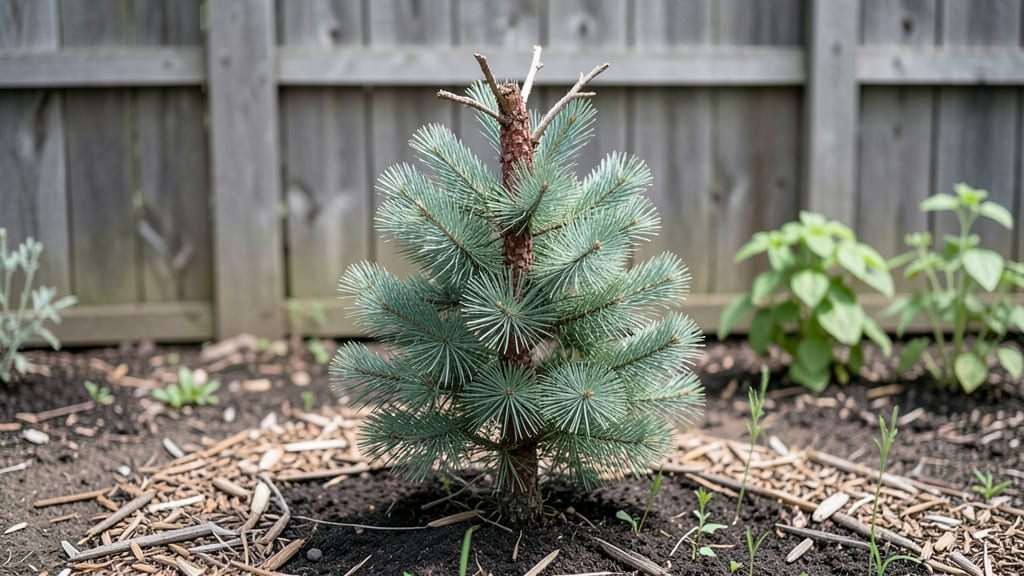
Growing a small sequoia tree 🌲 lets you bring California’s ancient giants to your backyard without the space (or patience) for a 200-foot monster.
Dreaming of a majestic sequoia in your backyard? These dwarf varieties bring the towering beauty of California’s iconic trees to small spaces—without the massive footprint.
With the right dwarf variety, you can enjoy the rugged charm of a sequoia tree (small) in just a few years, whether planted in the ground or a large container. These trees thrive in zones 5-9 and love full sun, making them perfect for home gardens.
Below, I’ll cover the best small sequoia varieties, planting tips, and how to keep them healthy for decades—no giant sequoia patience required.
Top 5 dwarf sequoia varieties for home gardens and containers
If you love the majestic look of sequoias but have limited space, these dwarf varieties are perfect for your garden or even large containers. Unlike their towering cousins, these slow-growing cultivars stay manageable while still delivering that iconic California redwood charm.
Whether you're working with a small yard or a cozy patio, these compact sequoias bring year-round interest with their scaly bark and lush foliage.
Choosing the right variety depends on your climate zone, available sunlight, and desired mature size. Some varieties thrive in containers, while others do better in garden beds.
I’ve selected the top 5 dwarf sequoias that balance beauty, hardiness, and manageable growth—all reaching under 15 feet at maturity. Let’s explore their unique traits so you can pick the perfect fit for your space.
Here’s a quick comparison to help you decide which dwarf sequoia aligns with your gardening goals:
| Variety | Mature Height | Spread | Sunlight Needs | Growth Rate | Container-Friendly? |
|---|---|---|---|---|---|
| Sequoiadendron giganteum 'Pendulum' | 10–15 ft | 6–8 ft | Full sun | Slow | Yes (large pot) |
| Sequoia sempervirens 'Pendula' | 12–15 ft | 5–7 ft | Full sun to partial shade | Moderate | Yes (large container) |
| Sequoiadendron giganteum 'Glaucum' | 8–12 ft | 4–6 ft | Full sun | Very slow | No (ground plant) |
| Sequoia sempervirens 'Prostrata' | 3–5 ft | 8–10 ft (spreading) | Full sun | Slow | Yes (wide container) |
| Sequoiadendron giganteum 'Monstrosum' | 10–12 ft | 6–8 ft | Full sun | Slow to moderate | Yes (large pot) |
Sequoiadendron giganteum 'Pendulum' is my top pick for gardeners with limited space but a love for drama. This variety grows 10–15 feet tall with a weeping habit, making it ideal for focal points in small yards. Its scaly bark matures beautifully over time, and it thrives in full sun with well-draining soil. If you’re growing it in a container, opt for a 24-inch pot with drainage holes and ensure it gets at least 6 hours of sunlight daily.
For those who prefer a more compact look, Sequoia sempervirens 'Prostrata' is a ground-hugging option that spreads 8–10 feet wide but stays only 3–5 feet tall. This variety is perfect for rock gardens or as a spiller in containers.
It’s also more tolerant of partial shade, making it versatile for shaded patios or north-facing yards. Just be prepared for its spreading habit—it needs room to stretch out horizontally.
Sequoiadendron giganteum 'Glaucum' stands out with its blue-green foliage, adding a unique color contrast to your garden. This slow-growing variety reaches 8–12 feet tall and is best planted in the ground due to its larger root system. It’s a low-maintenance choice that thrives in dry, well-drained soil and full sun. If you’re in a drought-prone area, this sequoia is an excellent water-wise option.
If you’re looking for a fast-growing dwarf sequoia (relative to others on this list), Sequoia sempervirens 'Pendula' is a great middle-ground choice. It grows 12–15 feet tall with a weeping form, making it ideal for small backyards or large containers.
This variety is also more flexible with sunlight, tolerating partial shade in hotter climates. Just ensure it has good air circulation to prevent fungal issues like needle blight.
Lastly, Sequoiadendron giganteum 'Monstrosum' offers a unique twisted form that adds visual interest to any garden. It grows 10–12 feet tall with a sprawling, irregular shape, making it a conversation piece. This variety is container-friendly if you choose a large enough pot (
How to grow a small sequoia tree: planting and care tips
Growing a small sequoia tree is easier than you think! These majestic trees start as delicate seedlings that need the right conditions to thrive. Whether you're planting in a garden bed or a large container, following the right steps ensures your sequoia grows strong and healthy for decades.
The key lies in well-draining soil, proper sunlight exposure, and consistent but careful watering.
Unlike their giant cousins, dwarf sequoias grow at a manageable pace—typically reaching 15-25 feet at maturity. This makes them perfect for home gardens, patios, or even large containers.
However, they still require patience, as their growth is slow. With the right care, you’ll enjoy their evergreen needles and rugged bark for years to come.
- Step 1: Choose the Right Location Select a spot with full sun (6+ hours daily) and well-draining soil. Avoid low-lying areas where water pools, as sequoias hate soggy roots.
- Step 2: Plant in Early Spring or Fall Plant your small sequoia sapling after the last frost (around April 15 in Zone 6). Dig a hole twice as wide as the root ball but no deeper.
- Step 3: Amend Soil for Optimal Drainage Mix compost or aged manure into the soil to improve fertility. Sequoias prefer slightly acidic to neutral soil (pH 6.0-7.0). Avoid heavy clay or compacted soil.
- Step 4: Water Deeply but Infrequently Water once a week for the first year, giving 15-20 gallons per tree. After establishment, reduce to every 10-14 days. Always water in the morning to prevent fungal issues.
- Step 5: Fertilize Lightly in Spring Use a balanced fertilizer (5-10-10) in early spring. Apply 1 cup per 10 sqft of root zone. Avoid over-fertilizing, as sequoias grow slowly and don’t need heavy feeding.
- Step 6: Prune for Shape and Health Prune in late winter to remove dead or crossing branches. Use sterilized pruners to avoid disease. Avoid heavy pruning, as sequoias respond poorly to aggressive trimming.
- Step 7: Protect from Winter Elements Young trees benefit from a thick layer of mulch (3-4 inches) around the base. In zones 5-6, wrap the trunk with burlap to shield from harsh winds.
Pruning your small sequoia is crucial for maintaining its shape and preventing disease. Focus on removing dead branches and any that rub against each other. Use sharp, sterilized pruners to make clean cuts just above a healthy bud.
Avoid pruning in the fall, as this can stress the tree before winter dormancy.
Winter care is especially important for young sequoias. While mature trees handle cold well, seedlings and saplings need protection from freezing winds and heavy snow. Wrap the trunk with burlap and add a mulch ring to insulate roots.
In Zone 5, consider planting in a sheltered location or using a tree guard for extra protection.
With patience and the right care, your small sequoia tree will grow into a stunning centerpiece for your garden. These trees are low-maintenance once established, making them a rewarding addition to any landscape. Enjoy watching your tiny sequoia grow into a majestic, evergreen giant over time! 🌲