
Landscaping
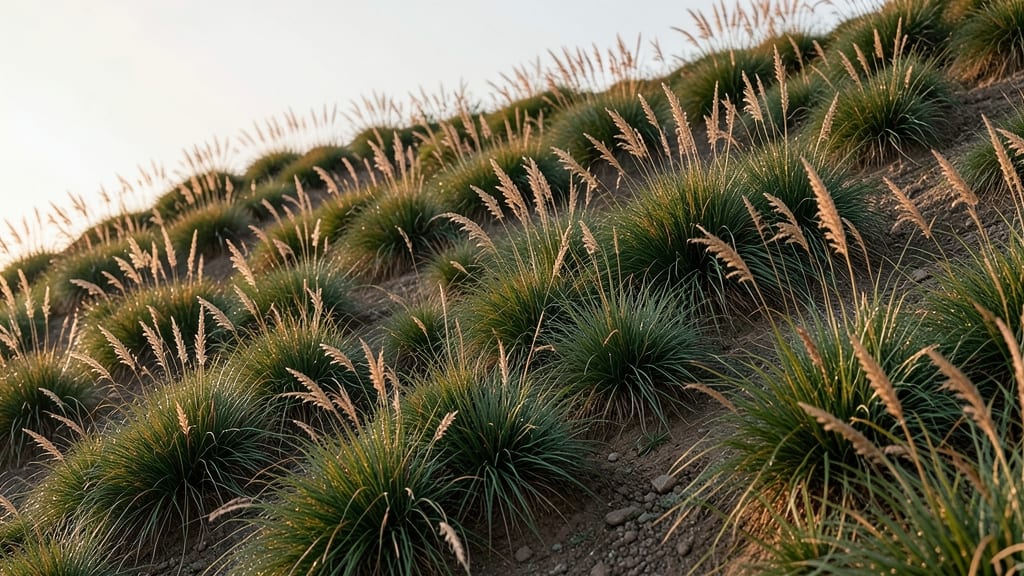
Struggling with sloped yard drainage? These 10 terraced flower bed designs transform challenging terrain into lush, erosion-resistant gardens that also improve water flow and plant health.
Retaining Wall Stone Terraces
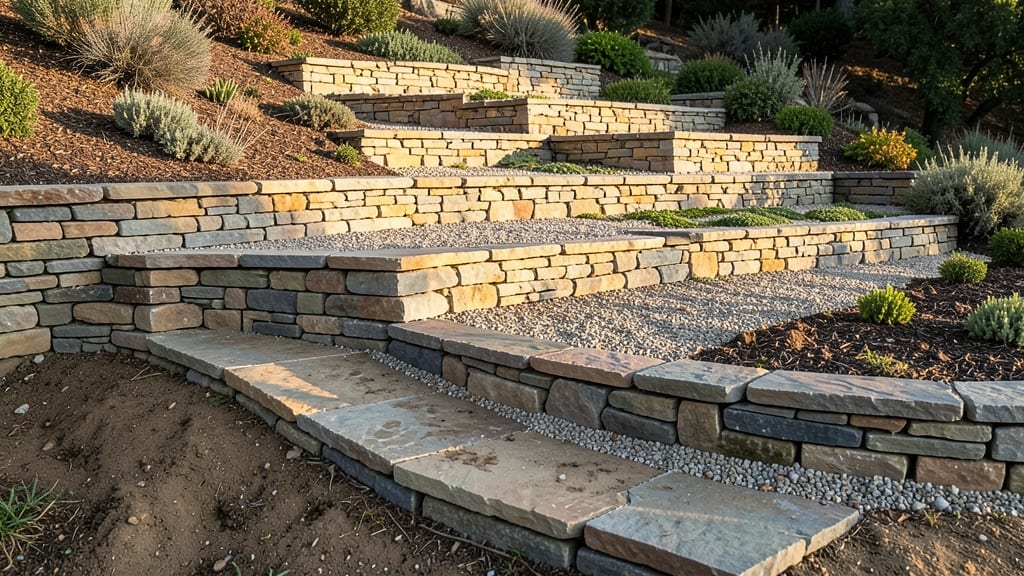
Transform your steep slope into a timeless garden feature with retaining wall stone terraces—the perfect blend of rustic charm and functional design. These terraces use dry-stacked natural stone to create sturdy, multi-level planting areas that prevent erosion while adding character to your landscape.
Start by marking even levels with wooden stakes and string, then lay local fieldstone or flagstone in a staggered pattern, allowing water to drain through the gaps. Fill each terrace with well-draining soil and plant drought-tolerant perennials like lavender or sedum to thrive in the exposed conditions. The stone’s weight naturally resists soil slippage, making it ideal for slopes over 30 degrees.
This solution is perfect for gardeners who want a low-maintenance, high-impact look that ages beautifully. The natural stone also complements any landscape style, from cottage gardens to modern designs. 🌿
Wooden Box Tiered Gardens
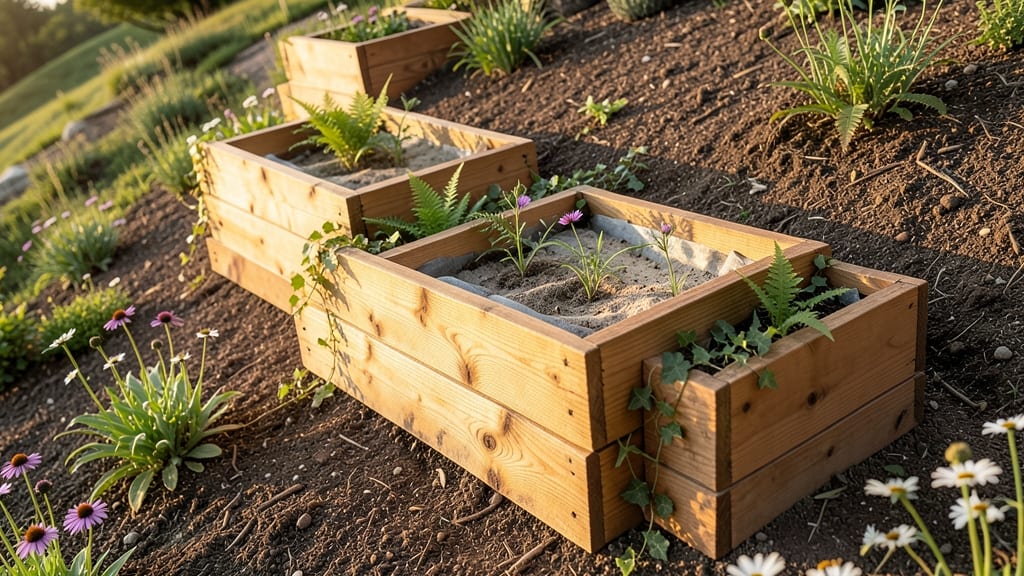
Tired of heavy stone terraces but still want to tame your gentle slope? Cedar wooden box tiered gardens offer a lightweight, budget-friendly solution that lets you create multiple planting levels without the weight or cost of stone.
Start by building simple rectangular boxes (2-3 feet wide) using rot-resistant cedar planks, spacing them 6-12 inches apart to allow water drainage between levels. Fill each box with well-draining soil and plant spiller varieties like geraniums or sweet alyssum to soften the edges. The natural wood grain adds rustic charm while keeping installation simple—perfect for DIYers.
This approach works especially well for small urban yards or gentle slopes under 30 degrees, where stone would feel overkill. Plus, the boxes are movable if you want to redesign later! 🌿
Bamboo Slope Stabilizers
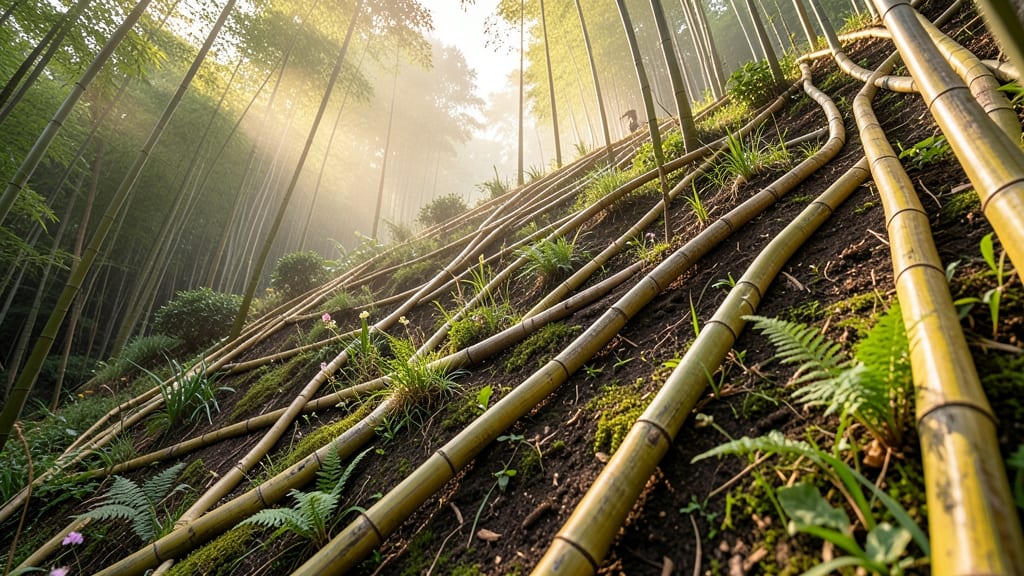
Transform your erosion-prone slope into a thriving garden oasis using bamboo slope stabilizers—a sustainable, natural solution that blends seamlessly with woodland gardens. Unlike rigid materials, bamboo creates flexible, organic terraces that adapt to the land while preventing soil runoff.
Start by driving bamboo stakes into the slope in a staggered pattern, weaving them together to form pockets for planting. These terraces hold moisture-loving plants like hostas and ferns perfectly, as the bamboo's hollow structure improves drainage while retaining humidity. For extra stability, add a layer of coconut coir or mulch around the base to suppress weeds and further anchor the soil.
This method is ideal for gardeners who want an eco-friendly, low-maintenance way to stabilize slopes without sacrificing aesthetics. The natural look makes it perfect for shady, woodland-style gardens where you want to blend with the environment. 🌿
Stepping Stone Pathways With Planters
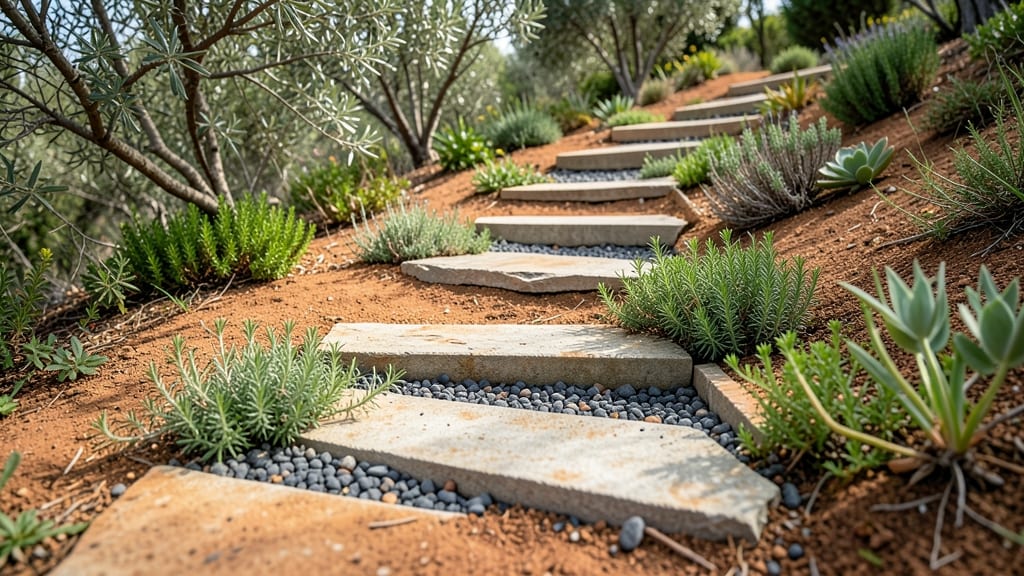
Turn your sloped garden into a functional and fragrant pathway with stepping stone planters—where every step doubles as a mini herb or succulent garden. This clever design solves two problems at once: it creates a stable, walkable surface while embedding built-in planters at each level, perfect for drought-tolerant plants like thyme, sedum, or rosemary.
Start by laying flat, wide stepping stones (like slate or concrete) along your slope, spacing them 12-18 inches apart. Between the stones, create shallow pockets (4-6 inches deep) filled with well-draining soil and your chosen plants. For extra stability, add a gravel base beneath the soil to prevent erosion. This system works beautifully on gentle to moderate slopes and requires minimal maintenance once established.
Urban gardeners and small-space enthusiasts will love this space-saving solution—it keeps your feet dry, reduces soil runoff, and gives you fresh herbs or succulents right at your fingertips. 🌱
Geotextile Fabric Terraces
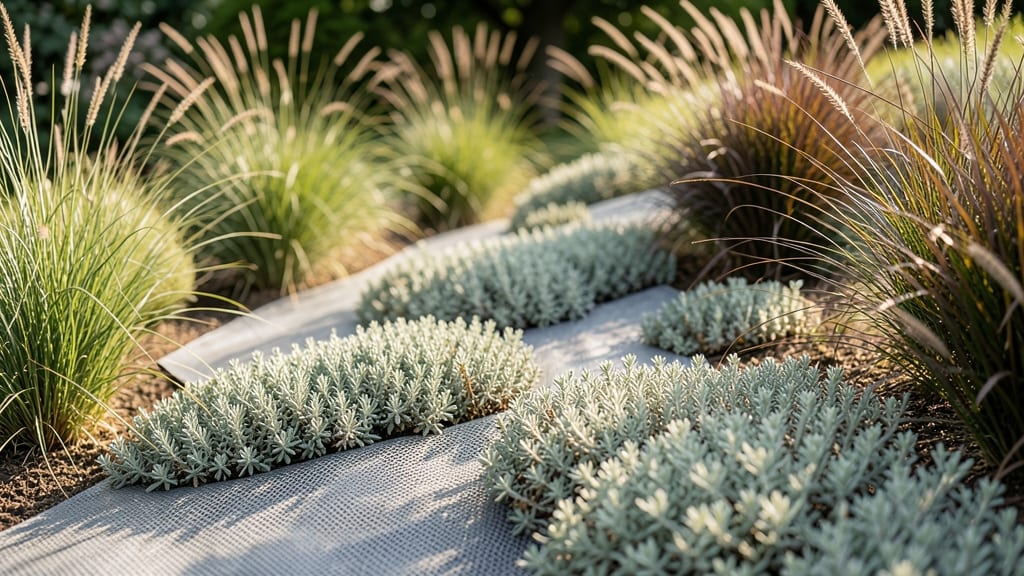
Tired of visible terraces cluttering your modern garden? Geotextile fabric terraces offer a sleek, invisible solution that stops erosion while letting roots thrive—perfect for drought-resistant ground covers like creeping thyme or ornamental grasses.
This breathable, landscape fabric layers beneath soil to create clean planting lines without bulky materials. Simply cut fabric to fit your slope, anchor edges, and fill with well-draining soil mixed with compost. The fabric prevents soil slippage while allowing water and roots to penetrate naturally, making it ideal for steep or uneven terrain. For a polished look, top with gravel or pavers along the edges.
Urban gardeners and minimalist designers love this method because it blends seamlessly with contemporary landscapes. Plus, it’s low-maintenance and works year-round. 💚
Curved Brick Edging Beds
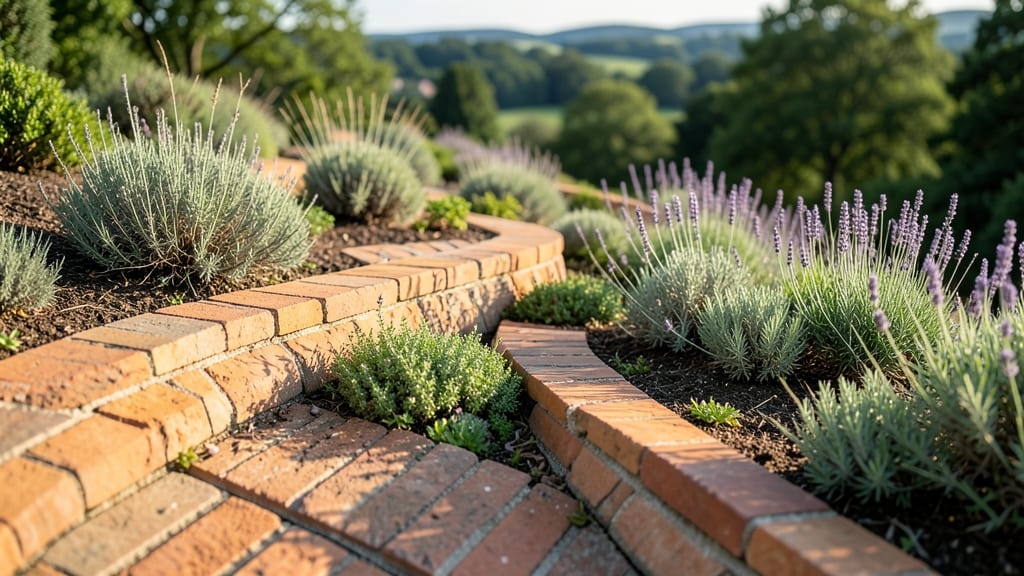
Want to transform a steep slope into a dramatic, erosion-proof garden feature without harsh lines? Curved brick edging creates flowing terraces that follow the natural contour of your land while preventing soil slippage. The gentle curves mimic organic landscapes, making them ideal for cottage-style gardens or English country estates.
Start by laying bricks in slightly curved patterns along the slope, using landscape fabric beneath for extra stability. The raised edges create perfect planting ledges for perennials like coneflowers or black-eyed Susans, which thrive in well-drained soil. For extra reinforcement, add a gravel base before setting the bricks to improve drainage and prevent shifting. This method works best on slopes up to 30 degrees and pairs beautifully with stepping stones for added charm.
This design is perfect for gardeners who love timeless aesthetics but need practical erosion control. The bricks add structure while blending seamlessly with nature, making it a low-maintenance yet high-impact solution. 🌻
Log Step Waterfall Gardens
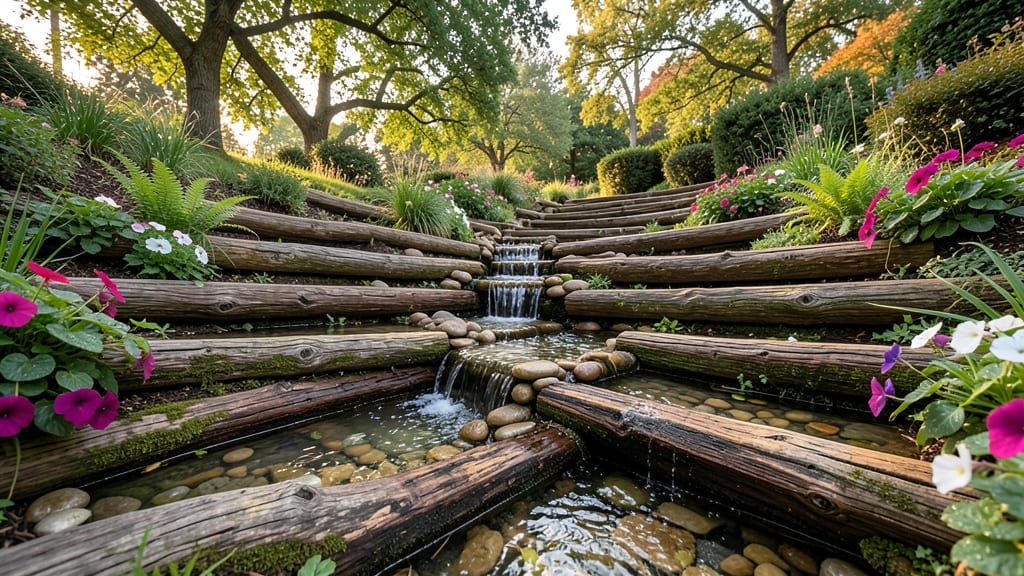
Transform your sloped garden into a serene retreat with log step waterfall gardens—where rustic charm meets functional beauty. This design uses stacked logs to create terraces with built-in waterfalls, perfect for moisture-loving plants like impatiens or ferns that thrive in damp conditions. The gentle cascading water not only adds a soothing ambiance but also helps retain moisture in the soil.
Start by selecting straight logs (cedar or oak work well) and stack them at intervals along your slope, leaving small gaps between each log to create the waterfall effect. Line the terraces with waterproof landscape fabric to prevent soil erosion, then fill with a mix of peat moss and compost for moisture retention. Plant trailing varieties like impatiens or coleus to spill over the edges, enhancing the waterfall illusion.
This design is ideal for gardeners who love natural, low-maintenance solutions with a touch of whimsy. The water feature adds a focal point that attracts birds and butterflies, making it perfect for small yards or shaded areas. 🌿
Wire Mesh And Gravel Terraces
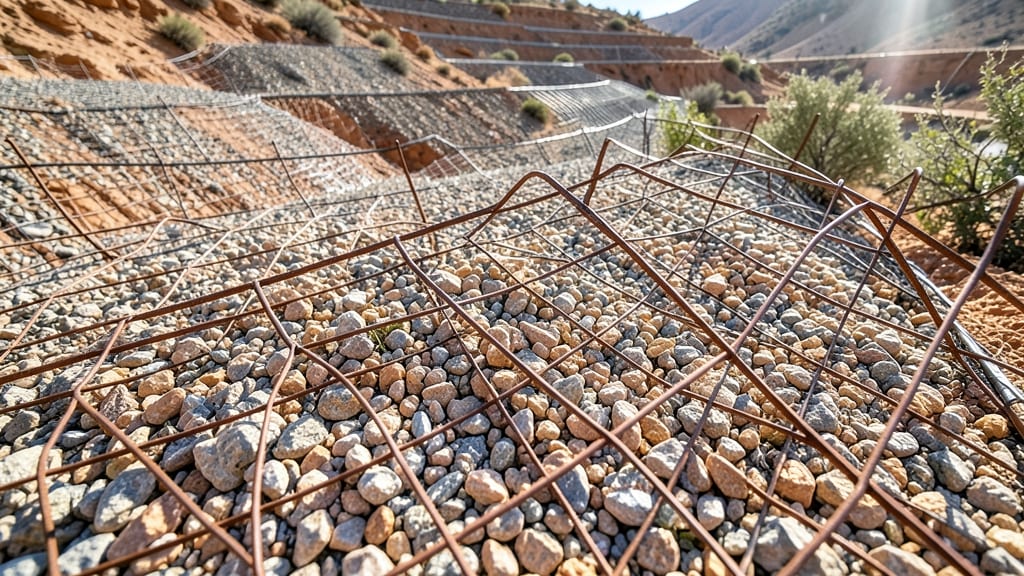
When your slope is too steep for traditional terraces but you still want a drought-tolerant desert garden, wire mesh and gravel create a surprisingly sturdy foundation. This method uses galvanized wire mesh bent into sharp-edged terraces, filled with gravel that drains excess water while preventing soil erosion.
The ultra-durable wire mesh resists rust and holds its shape for years, making it ideal for Mediterranean plants like lavender, rosemary, and prickly pear cacti that thrive in well-drained conditions. Simply bend the mesh into your desired terrace shape, secure it with stakes, and fill with gravel before adding soil and plants. This system requires minimal maintenance and looks sleek in modern or arid landscapes.
Perfect for gardeners in hot, dry climates or those who want a low-maintenance solution that lasts decades. The gravel also regulates soil temperature, protecting delicate roots in extreme heat. 🌻
Root Barrier Fabric Layers
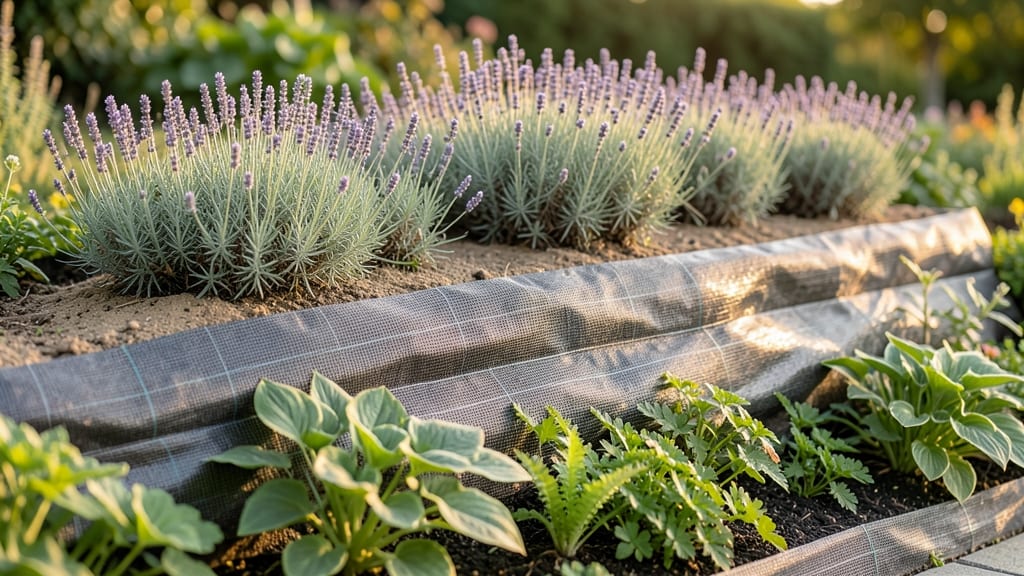
When different plants crave different moisture levels, root barrier fabric becomes your secret weapon for layered sloped beds. This breathable yet sturdy material keeps soils separate while letting water flow naturally between layers—perfect for pairing drought-tolerant lavender with moisture-loving ferns on the same slope.
Install it by cutting fabric to match your terrace depths (typically 6-12 inches for most plants) and overlapping edges by 6 inches. The fabric's non-woven design prevents soil mixing while allowing 100% water permeability, so your moisture-sensitive plants won't dry out while thirsty roots stay contained. Ideal for urban gardeners with limited space or those creating dramatic layered effects without visible barriers.
This invisible solution transforms messy slopes into professional-looking terraces that work harder for your plants. 🌿
Living Wall Grass Terraces

Skip the heavy materials—your slope can become a thriving ecosystem with living wall grass terraces. Instead of rigid structures, let native grasses like switchgrass or little bluestem grow vertically along the slope, naturally creating terraces while stabilizing soil and reducing runoff.
These grasses establish deep root systems that hold soil in place, while their upright growth forms natural barriers between planting levels. Pair them with wildflower mixes to attract pollinators and create a low-maintenance meadow look. The best part? You’ll support local wildlife while reducing your garden’s environmental footprint.
Perfect for eco-conscious gardeners or those with gentle slopes, these terraces require minimal upkeep after establishment. Just plant in early spring and watch nature do the rest. 🌱