
Plants
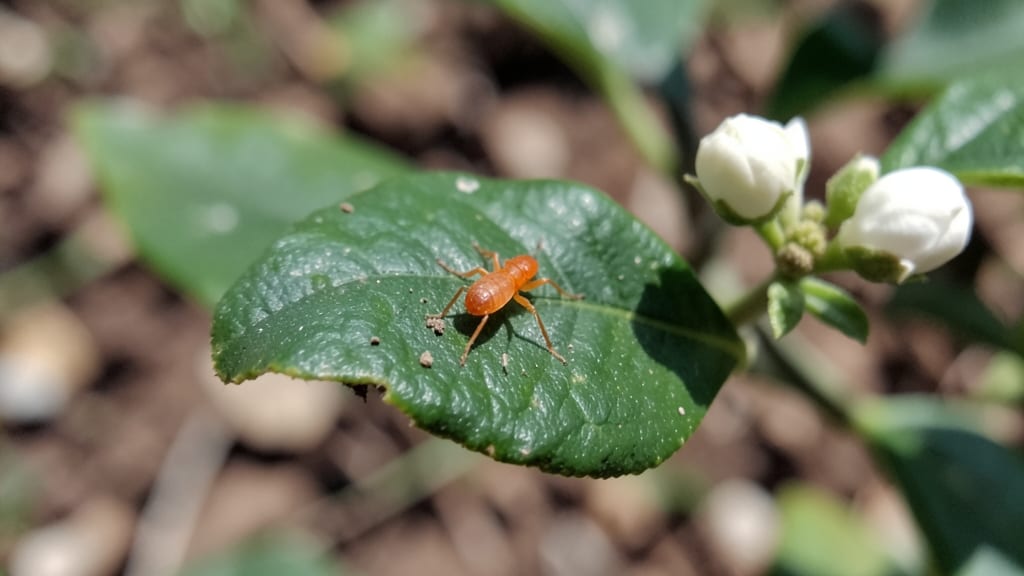
Those small orange bugs on plants are likely citrus flatid planthoppers—or maybe aphids or scale—and they can turn leaves sticky and stunted in no time. 🌿 I’ve battled them on my citrus trees and houseplants, and the key to stopping them fast is knowing exactly what you’re dealing with and how to hit them where it counts.
Most people panic and reach for harsh chemicals, but these bugs respond surprisingly well to targeted natural sprays when you act within 48 hours. The secret weapon? A mix of soapy water, neem oil, and a dash of garlic—it disrupts their life cycle without harming your plants or pollinators.
You’ll see them drop off within hours, and new growth will bounce back in days.
Start by identifying their hideouts: undersides of leaves, new shoots, or along stems. A strong blast of water first knocks off the worst of them, then follow up with the spray.
The best part? This method works on everything from citrus trees to potted herbs, and you can reuse the spray for future infestations.
Prevention is easier than cleanup—introduce ladybugs or lacewings, keep plants healthy with balanced fertilizer, and inspect new additions before they bring hitchhikers indoors. Here’s how to make the spray and tackle the problem for good.
Root Causes Of Tiny Orange Invaders
If your plants are suddenly hosting tiny orange bugs, don’t panic—understanding why they’re there is the first step to kicking them out for good. These unwelcome guests usually arrive due to a mix of environmental cues, plant stress signals, and even human habits.
Let’s break down the most common reasons these critters show up uninvited.
Healthy plants are naturally resistant to pests, but when they’re stressed, they become a buffet for hungry insects. Tiny orange bugs, like aphids or scale insects, are drawn to plants that are:
- Nutrient-deficient: Lack of nitrogen, phosphorus, or potassium weakens plant defenses, making them easier targets.
- Waterlogged or drought-stressed: Both extremes disrupt a plant’s ability to produce protective compounds, signaling distress to pests.
- Overcrowded: Poor airflow between plants creates humid microclimates—perfect breeding grounds for bugs.
Actionable fix: Prune dead leaves, ensure proper spacing, and fertilize with a balanced formula (like 10-10-10) to restore vigor. Pro tip: 💡 Mulch with compost to improve soil health and deter pests naturally.
Tiny orange bugs thrive in cozy, undisturbed spots where temperatures stay mild and humidity is high. Common hiding places include:
- Under leaves or in crevices: Bugs like mealybugs love tight spaces where they’re protected from predators and weather.
- Greenhouse or indoor environments: Controlled climates (especially 70–85°F) accelerate their lifecycle.
- South-facing or shaded areas: These spots retain heat and moisture longer, creating ideal conditions.
Actionable fix: Improve airflow with fans or open vents, and avoid overwatering. If bugs are clustered, gently wipe leaves with a damp cloth to disrupt their habitat. Pro tip: 🌡️ Monitor humidity—keep it below 60% to discourage infestations.
Often, the problem isn’t your existing plants—it’s what you bring in. Tiny orange bugs can hitchhike on:
- Newly purchased plants: Nursery stock may already be infested with eggs or nymphs.
- Garden tools or pots: Shared shovels, pruners, or containers can transfer bugs between plants.
- Wildlife activity: Birds or insects may drop eggs or larvae near your garden.
Actionable fix: Quarantine new plants for 2 weeks before introducing them to your garden. Sterilize tools with rubbing alcohol (70% or higher), and inspect pots thoroughly. Pro tip: ✨ Use a magnifying glass to spot hidden bugs before they become a full-blown problem.
Once you identify the root cause, you can target solutions more effectively. The next step? Natural remedies that work in hours—without harsh chemicals!
Quick Fixes for Tiny Orange Invaders
If you’ve spotted small orange bugs on your plants, don’t panic—these pests are usually manageable with the right approach. The key is identifying the culprit (likely aphids, citrus leaf miners, or mealybugs) and applying targeted solutions.
Below, we break down cause-specific fixes to restore your plants to health, plus prevention tips to keep them bug-free.
Before treating, confirm what you’re dealing with:
- Aphids (soft-bodied, clustered): Often orange or yellowish, found on new growth.
- Citrus leaf miners (tiny, orange larvae): Leave serpentine trails under leaves.
- Mealybugs (cottony white, but some orange varieties exist): Cluster in leaf axils or stems.
Pro tip: 🔍 Use a magnifying glass or take a close-up photo for accurate ID.
These DIY remedies work fast (often within 24–48 hours) and are plant-safe:
1.
Soap Spray for Aphids & Mealybugs Why it works: Disrupts pests’ protective wax layer, causing dehydration. How to make it: - Mix 1 tbsp mild liquid soap (like Castile) + 1 quart water. - Add 1 tsp vegetable oil (helps it stick). - Spray directly on bugs (avoid blooms if possible).
Reapply: Every 3–5 days until gone.
2.
Neem Oil for Leaf Miners & General Pests Why it works: Stops feeding, disrupts life cycles, and has antifungal properties. How to make it: - Mix 1 tbsp neem oil + 1 tsp mild soap + 1 quart water. - Shake well and spray undersides of leaves (where miners hide).
Reapply: Weekly for 2–3 weeks.
3. Alcohol Spray for Stubborn Clusters
Why it works: Kills on contact (great for mealybugs). How to make it:
- Mix 1 part rubbing alcohol + 3 parts water.
- Dab or spray directly on bugs (avoid over-saturating soil).
Reapply: As needed (alcohol evaporates quickly).
If sprays aren’t enough:
- Wipe leaves with a damp cloth dipped in soapy water.
- Prune infested areas and dispose of them in sealed bags (not compost).
- Blast off pests with a strong stream of water (works for aphids).
Pro tip: 🌡️ Heat treatment: Place potted plants in a hot car (100°F+) for 1 hour to kill eggs/larvae.
Stop future outbreaks with these habits:
- Inspect new plants before bringing them indoors/outdoors.
- Encourage beneficial insects: Ladybugs, lacewings, and parasitic wasps eat orange bugs naturally.
- Maintain plant health: Healthy plants resist pests better—water deeply, prune regularly, and fertilize appropriately.
- Use reflective mulch: Aluminum mulch confuses leaf miners.
- Rotate sprays: Pests build resistance; alternate between soap, neem, and horticultural oil.
If your plants are severely damaged or bugs persist after treatment, consult a local extension office or gardening expert. Some infestations (like citrus greening disease, spread by Asian citrus psyllids) require professional intervention.
Remember: Patience is key—consistent treatment yields the best results! 🌿 With these fixes, your plants will bounce back in no time.
Frequently asked questions
What are those tiny orange bugs on my citrus tree?
Most likely they’re citrus flatid planthoppers or aphids. These bugs are common on citrus, avocado, and other tropical plants. Look for sticky residue on leaves—this is their honeydew, a sign of infestation.
Will these orange bugs kill my plants?
Not immediately, but severe infestations can weaken plants by sucking sap, causing yellowing leaves or stunted growth. The good news? They’re easy to control with natural sprays like neem oil or soapy water before they cause major damage.
How do I tell if they’re mealybugs or aphids?
Mealybugs look like tiny white cotton clusters, while aphids are soft-bodied and often orange/yellow. Check leaf undersides—aphids cluster on new growth, while mealybugs hide in crevices. A magnifying glass helps!
Can I use vinegar to kill these bugs?
Not recommended—vinegar can burn plants. Instead, use a soapy water spray (1 tbsp mild soap + 1 quart water) or neem oil, which are safer and just as effective. Always test sprays on a small leaf first.
How long until my plants recover after treatment?
With consistent spraying (every 3–5 days), you’ll see bugs drop off within 24–48 hours. New growth should appear healthy within 1–2 weeks, provided the root system is intact.