
Vegetables
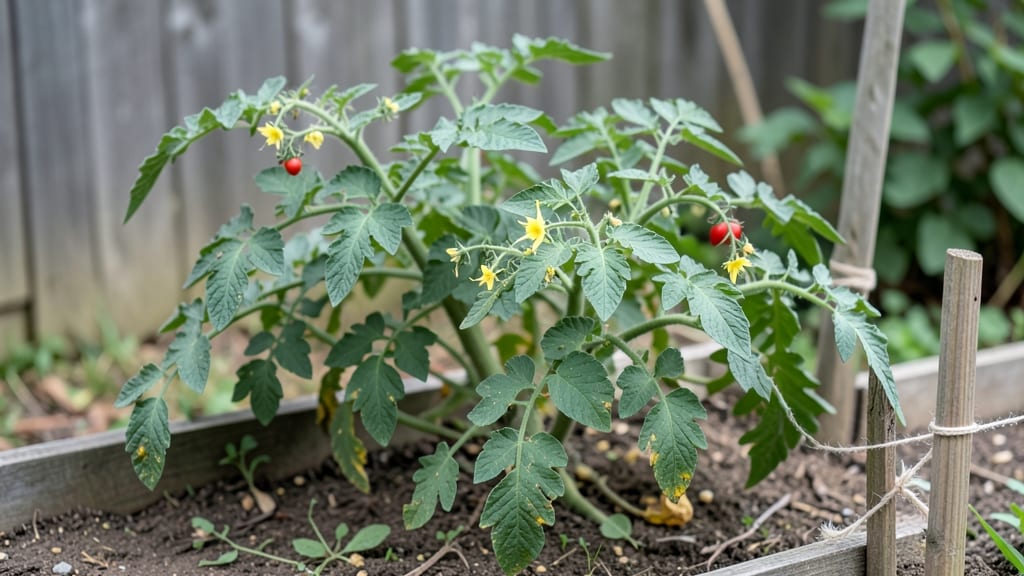
Staking tomatoes in raised beds isn't just about keeping plants upright—it's the secret to maximizing fruit production and airflow in confined spaces. 🌱 I’ve grown tomatoes in raised beds for years, and the right staking system turns a potential mess into a structured, high-yielding plant factory.
Without proper support, tomatoes sprawl, rot, and produce fewer fruits, but with the right technique, you’ll end up with towering, disease-resistant plants that yield more than you’d expect from the same bed.
The key is choosing the right support—whether it’s sturdy bamboo stakes, durable fabric cages, or lightweight trellises—and installing it early, before the plants get too heavy.
Raised beds make staking easier because the soil stays loose and the plants grow faster, but you’ll need to adjust spacing and depth to avoid overcrowding. My go-to setup uses 6-foot bamboo stakes paired with soft plant ties, which gives the tomatoes room to grow without restricting their natural shape.
Once staked, your tomatoes will grow taller, stronger, and healthier, with fewer diseases and more consistent fruit production. The plants stay upright even in wind or rain, and you’ll spend less time pruning and more time harvesting.
By mid-summer, you’ll be picking plump, sun-ripened tomatoes that taste like they came from a farm, not a grocery store.
This method works for any tomato variety in raised beds, from cherry tomatoes to beefsteaks, and adapts easily to different bed sizes. Whether you’re a beginner or a seasoned gardener, the right staking technique will transform your raised bed into a productive, low-maintenance tomato powerhouse.
📚 In This Guide
- What you need
- Instructions
- Tips and common mistakes
- Wrapping up and next steps
What you need
- ● Raised bed (prepped): At least 8–12 inches deep, filled with well-draining soil (compost + topsoil mix).
- ● Tomato plants: Determinate (bush) or indeterminate (vining) varieties (3–4 plants per 4’x8’ bed).
- ● Stakes or supports: Bamboo stakes: 5–6 ft tall (1 per plant).
- ● Metal or wooden stakes: 5–7 ft tall (durable for windy areas).
- ○ Cattle panels or tomato cages: 4–5 ft tall (optional for bushier varieties).
- ● Soft plant ties: Fabric or Velcro strips (avoid wire—it cuts stems!).
- ● Garden twine: Jute or biodegradable (for weaving stakes into cages).
- ● Mulch: Straw or shredded leaves (2–3 inches thick to retain moisture).
- ● Trellis or A-frame supports: For heavy indeterminate varieties (e.g., Sungold or Brandywine).
- ● Succession plant markers: Label stakes to track varieties.
- ● Drip irrigation kit: Keeps soil consistently moist (tomatoes love steady water!).
- ● Pruning shears: For trimming suckers (if growing indeterminate types).
How to stake tomatoes in raised beds for strong, straight growth
Here’s the straightforward method I’ve used for years—no guesswork, just reliable support.
🪴 Step 1: Choose and Install the Right Stakes
Start with 4-foot bamboo stakes or heavy-duty metal cages—whatever matches your tomato variety’s expected height. For indeterminate types, opt for stakes since cages can’t handle their endless growth. Drive each stake 6-8 inches deep into the raised bed soil, positioning it 2-3 inches from the plant stem when you transplant.
I like to angle the stakes slightly toward the center of the bed for stability. If using cages, place them right at planting time so roots grow through the mesh without resistance. The deeper the stake, the less it’ll wobble when vines get heavy.
🌱 Step 2: Tie Young Plants Loosely to Support
Wait until your tomato plants reach 12-18 inches tall before tying—earlier ties can restrict growth. Use soft plant ties or strips of old T-shirt fabric (never wire or tight knots). Loop the tie around the main stem and the stake, leaving 1-2 inches of slack to allow the plant to grow without strangling.
Here’s the trick: tie at the top third of the plant, not the base. As the stem grows, add a new tie 6-8 inches above the last one. You’ll see the plant lean naturally toward the stake—let it guide you. Too-tight ties leave permanent rings on stems.
☀️ Step 3: Train Vines Weekly as They Grow
Every 7-10 days, check for new growth and gently weave the main vine around the stake. For indeterminate tomatoes, guide the strongest upward-growing stem—ignore side shoots. If a vine breaks when you touch it, it’s ready for support. Use your thumb to test: if it bends but doesn’t snap, it’s time to tie.
Remove any suckers (side shoots) below the first flower cluster—these drain energy from fruit production. You’ll know you’re doing it right when the plant’s energy goes into bold, upward growth instead of bushy side branches.
✂️ Step 4: Adjust Support as Plants Mature
By mid-summer, your stakes may need reinforcement. If the plant starts to lean or the stake bends, add a secondary stake on the opposite side and tie it to the main one with a figure-eight knot. This prevents the whole plant from toppling when fruit loads get heavy.
Watch for yellowing leaves at the base—this signals overwatering or root stress from poor support. If you see this, reduce watering slightly and check that the stake isn’t pressing into the stem. A healthy plant will have deep green leaves all the way up the main vine.
💧 Step 5: Harvest and Maintain Through the Season
As fruit appears, tie it to the stake with soft garden twine to prevent wind damage. This keeps tomatoes from snapping off when they’re heavy. Prune any leaves touching the soil to reduce disease risk—you’ll notice fewer spots on fruit when you keep the lower canopy dry.
By late summer, your stakes might need extra securing if storms are forecast. A quick check every few weeks ensures your tomatoes stay upright until the first frost. With this method, you’ll harvest larger, straighter fruit with minimal effort.
Tips & tricks for perfect tomato staking in raised beds
Here's what I've learned after years of staking tomatoes—these tricks make all the difference between flopping plants and towering vines.
Stake Placement Matters: When installing those 4-foot bamboo stakes in Step 1, here's the thing: the 2-3 inch distance from the stem isn't just arbitrary. Position the stake slightly toward the center of the bed—this creates a natural angle that prevents leaning when vines get heavy. I've seen plants topple when stakes were placed too close to the bed's edge, especially in windy conditions. The deeper you bury them (6-8 inches), the more stable they'll be when fruit loads peak in late summer.
Tying Technique That Prevents Damage: In Step 2, that 1-2 inch slack you leave when tying is crucial—it's the difference between healthy growth and girdled stems. I learned this the hard way after seeing plants develop permanent rings from too-tight ties. Use soft fabric strips instead of wire, and always tie at the top third of the plant. Pro tip: if you're using old T-shirt fabric, cut strips about 12 inches long—they'll stretch enough to accommodate growth without breaking.
Weekly Training Prevents Overwhelming: The 7-10 day check in Step 3 is your opportunity to prevent disaster. When you see the vine bend but not snap under your thumb, that's your cue to add another tie. I've had plants break free from stakes when I waited too long—those heavy tomatoes become dead weight when the vine snaps. Focus on guiding the strongest upward stem, and don't worry about side shoots until after the first flower cluster appears. This redirection of energy is what gives you those prize-winning tomatoes.
Reinforcement Strategy for Heavy Fruit: By mid-summer in Step 4, you might need that secondary stake I mentioned. Here's my go-to method: add the second stake on the opposite side and tie them together with a figure-eight knot. This creates a triangle of support that can handle the weight of 10+ tomatoes on one vine. Watch for yellowing leaves at the base—they're your early warning system for either overwatering or stems being constricted by ties. A healthy plant should show deep green leaves all the way up the main vine.
Pro Tips for Staking Tomatoes In Raised Beds
- Here's what I've learned after years of staking tomatoes—these tricks make all the difference between flopping plants and towering vines.
- Stake Placement Matters: When installing those 4-foot bamboo stakes in Step 1, here's the thing: the 2-3 inch distance from the stem isn't just arbitrary.
- Tying Technique That Prevents Damage: In Step 2, that 1-2 inch slack you leave when tying is crucial—it's the difference between healthy growth and girdled stems.
Frequently asked questions
Got questions about staking tomatoes in raised beds?
Here are answers to the most common ones—so you can grow like a pro!
When is the best time to stake tomatoes in raised beds?
Stake tomatoes early—as soon as they’re 6–12 inches tall (about 2–3 weeks after transplanting). This gives roots time to anchor while the plant climbs. If you wait too long, the stems may weaken or snap under the weight of fruit. Pro tip: Use soft ties (like old T-shirts or tree straps) to avoid damaging the stem!
How tall should stakes be for tomatoes in raised beds?
Stakes should be 6–8 feet tall (or taller for indeterminate varieties like ‘Sungold’). In raised beds, taller stakes prevent leaning or toppling. Bury the stake halfway up its length (or use a deep anchor like a rebar) for stability. Bonus: Add a second stake later if the plant grows taller than expected!
Can I use alternatives to traditional stakes (like cages or trellises)?
Cages
(5–6 ft tall) work well for determinate tomatoes but can crowd plants. Trellises (like A-frame or tomato towers) save space and improve airflow. For raised beds, bamboo stakes or wooden dowels are budget-friendly. Just ensure supports are sturdy—wind or heavy fruit can bend flimsy setups!
Why is my staked tomato leaning or falling over?
Leaning usually means insufficient support or poor tying. Check these fixes:
- Tighten ties gently—loose knots let stems wiggle.
- Add a second stake if the plant outgrows the first.
- Bury stakes deeper or use a stake-and-string system for extra stability.
- Water consistently—dry soil weakens stems.
Do I need to adjust staking for heatwaves or cold snaps?
Yes! In heat, tomatoes grow faster—check ties weekly to prevent stem damage. In cold (below 50°F), use floating row covers over stakes to protect plants. For heavy rain, ensure stakes are buried deep or use a stake-and-string system to keep plants upright and reduce rot.
Wrapping up and next steps
Staking tomatoes in raised beds isn’t just a gardening hack—it’s your secret weapon for bountiful, healthy, and stress-free plants. 🌱 With the right materials, timing, and technique, you’ll transform floppy vines into sturdy towers of flavor.
Whether you’re a newbie or a seasoned green thumb, this method makes growing tomatoes effortless while maximizing your harvest.
Ready to put your skills to the test? Start by prepping your raised beds this week—grab those stakes, prune with confidence, and watch your tomatoes reach for the sky! Soon, you’ll be swapping store-bought for your homegrown masterpieces.