
Tools
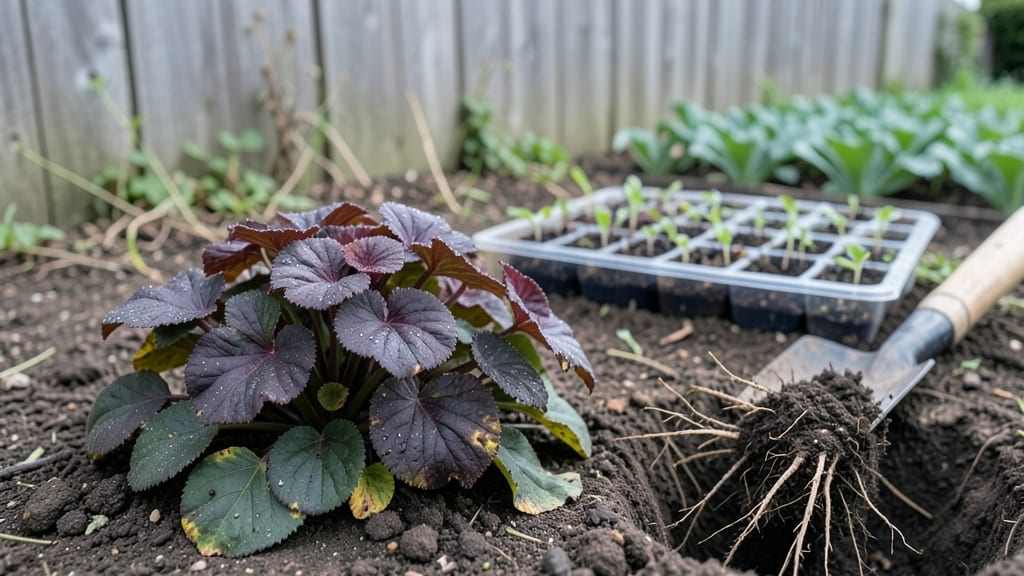
A triangular garden bed 🌱 transforms tight spaces into stunning focal points, proving that geometry and greenery go hand in hand.
Small yards don’t mean small gardens—these angular designs are the secret weapon for maximizing space while adding geometric charm to your outdoor oasis.
Whether you’re working with a 3-foot urban plot or a 6-foot backyard corner, the right shape can make every inch feel intentional. I’ll show you how to choose materials, play with angles, and pick plants that thrive in this dynamic layout.
From modern metal frames to rustic stone borders, we’ll cover everything you need to create a bed that’s as functional as it is beautiful.
How to design a functional triangular garden bed for any yard size
Triangular garden beds are perfect for small spaces because they maximize planting area while creating visual interest. Unlike traditional rectangular beds, the angled sides allow for better drainage and sunlight penetration, making them ideal for urban gardens or tight corners.
Whether you're working with a 3-foot or 6-foot space, these beds can transform even the most compact yard into a thriving garden oasis.
The key to designing a functional triangular bed lies in precision measurements and strategic plant placement. Start by choosing a right-angled triangle (the easiest to construct) or an isosceles triangle for a more dynamic look.
The base width and height will determine how many plants you can fit, so plan accordingly based on your yard's dimensions. For example, a 4-foot base with a 3-foot height creates a cozy, intimate space perfect for herbs or small vegetables.
Step-by-Step Guide to Building Your Triangular Garden Bed
- 1 Mark Your Layout: Use spray paint or landscape fabric to outline your triangle on the ground. For a right-angled triangle, measure the base and height (e.g., 4 ft x 3 ft) and mark the 90-degree angle with stakes.
- 2 Choose Your Edging: Select materials like brick, stone, or wooden planks to define the bed's edges. For a modern look, use metal edging, while natural stone adds rustic charm. Secure edges with landscape staples or concrete footings for stability.
- 3 Prepare the Soil: Remove grass and weeds, then loosen the soil to a depth of 12 inches. Amend with compost (2-3 inches) and a balanced fertilizer (5-10-10) to ensure nutrient-rich soil. Test the pH level—most plants thrive in 6.0-7.0 range.
- 4 Plan Your Plant Placement: Place tall plants (like sunflowers or roses) at the back of the triangle, medium-height plants (such as basil or peppers) in the middle, and spreading plants (like strawberries or thyme) along the edges. This creates a natural tiered effect that maximizes space.
- 5 Add Mulch for Retention: Spread 2-3 inches of organic mulch (like pine bark or straw) to retain moisture, suppress weeds, and regulate soil temperature. Choose light-colored mulch for sunny beds or dark mulch for cooler climates.
- 6 Install Drainage (If Needed): For clay-heavy soil, add a gravel layer (2-3 inches) at the bottom before filling with soil. This prevents waterlogging, especially in triangular beds where water can pool at the base.
When designing your triangular garden bed, consider the sunlight exposure of your yard. A south-facing triangle will receive the most sunlight, perfect for vegetables and herbs like tomatoes or basil.
If your space is shady, opt for hostas, ferns, or impatiens that thrive in low-light conditions. Always measure the sunlight hours your bed gets—most plants need at least 6 hours of direct sun daily.
For small yards, a 3-foot triangular bed is ideal because it fits neatly into corners or alongside patios and walkways. Use compact varieties like bush beans, lettuce, or dwarf tomatoes to maximize productivity.
If you have a larger space, a 6-foot triangle can accommodate shrubs or even a small fruit tree at the apex. The angled design also makes it easier to access plants from multiple sides, reducing the need for long reach while weeding or harvesting.
Don’t overlook the aesthetic appeal of your triangular bed. Pair textured plants (like lavender or orchids) with smooth-edged foliage (such as hostas) for contrast. Add ornamental grasses or small statuary at the base to draw the eye upward.
A triangular bed can serve as a focal point in your garden, especially when bordered with low-growing perennials like creeping thyme
10 Best plants for triangular garden beds: space-saving varieties
Triangular garden beds offer a sleek, modern twist to traditional layouts while maximizing every inch of space. The key to success lies in selecting compact, low-maintenance plants that thrive in tight quarters. I’ve handpicked 10 versatile varieties—herbs, vegetables, and flowers—that cascade beautifully along triangular edges while requiring minimal upkeep.
These plants excel in triangular shapes because they grow in tiered heights, creating natural layers that follow the bed’s angles. Most tolerate partial shade or full sun, making them adaptable to different yard orientations.
Below, I’ve included spacing requirements and sunlight needs to ensure your triangular oasis thrives year-round.
| Plant | Type | Sunlight | Mature Size | Spacing |
|---|---|---|---|---|
| Dwarf Basil | Herb | Full Sun | 12-18" | 8-12" apart |
| Lettuce (Loose-Leaf) | Vegetable | Partial Shade | 6-12" | 6-8" apart |
| Thyme (Creeping) | Herb | Full Sun | 3-6" | 10-12" apart |
| Pansies | Flower | Partial Shade | 6-10" | 8-10" apart |
| Radishes | Vegetable | Full Sun | 6-12" | 2" apart |
| Chives | Herb | Partial Sun | 12-18" | 6-8" apart |
| Alyssum | Flower | Full Sun | 3-6" | 8-10" apart |
| Swiss Chard | Vegetable | Partial Shade | 12-18" | 10-12" apart |
| Nasturtiums | Flower/Edible | Full Sun | 6-12" | 8-12" apart |
| Dwarf Marigolds | Flower | Full Sun | <