
Landscaping
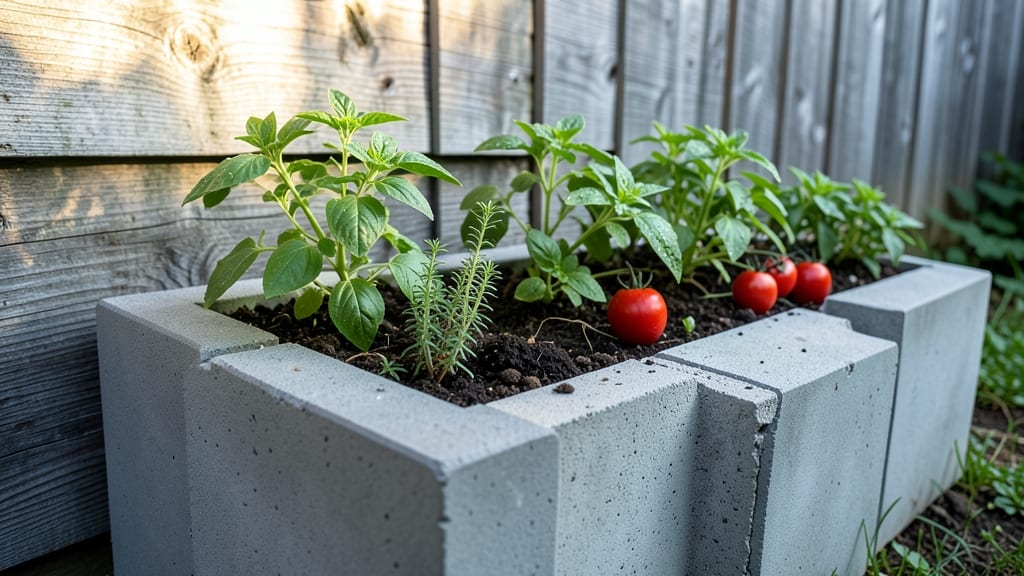
Tight spaces shouldn’t limit your gardening dreams. These 10 raised garden bed designs along fences turn narrow strips into productive, private, and sun-drenched growing zones—perfect for urban yards, small backyards, or crowded patios.
Tiered Privacy Garden Bed with Trellises
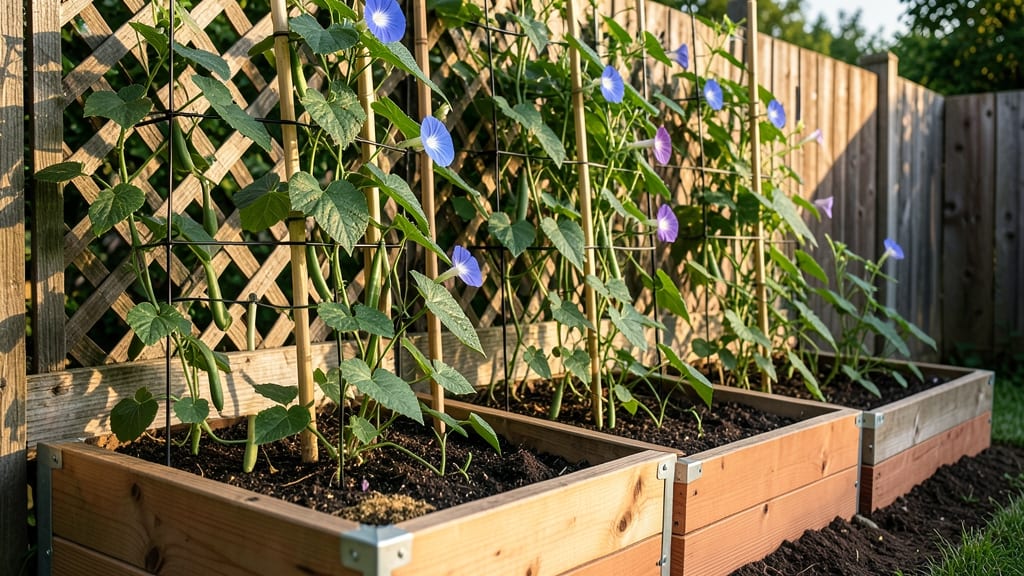
Turn your fence into a living privacy screen that also grows your dinner—without sacrificing sunlight or space. By stacking raised beds at varying heights, you create a tiered system where cucumbers, beans, and morning glories climb trellises while blocking nosy neighbors' views. This clever setup maximizes vertical growth, making it perfect for narrow yards or urban balconies.
Start with the tallest bed (3–4 feet) against the fence, then step down to mid-height (2 feet) and low (1 foot) in front. Use rot-resistant cedar or composite wood for longevity, and install freestanding trellises between tiers to guide vining plants upward. Plant fast-growing cucumbers on the top tier for shade, pole beans in the middle for mid-height privacy, and nasturtiums along the edges for color and pest control.
This design is ideal for urban gardeners or anyone with limited space who wants both privacy and productivity. The layered look adds visual interest while keeping maintenance simple—just water the bottom tier first to ensure even moisture distribution. 🌱
Slatted Wooden Fence Planter Boxes
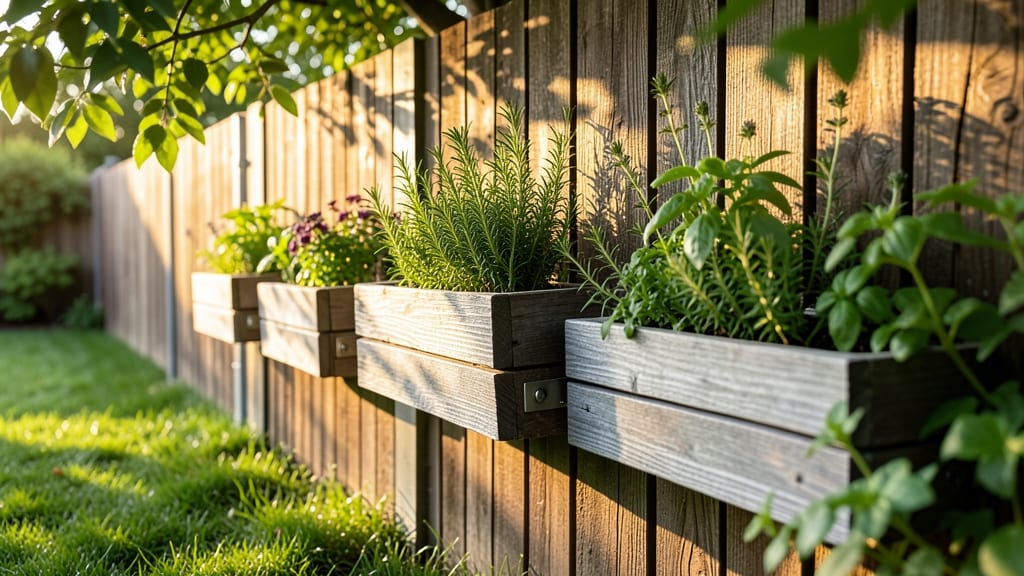
Transform that boring fence into a productive privacy screen with slatted wooden planter boxes—no digging required! These lightweight boxes attach directly to your existing fence using simple brackets, turning an eyesore into a lush, morning-sun-loving herb garden in just a weekend.
Choose cedar or redwood for natural rot resistance, and space the slats 1-2 inches apart to allow airflow while still blocking views. Fill with well-draining soil and plant fast-growing herbs like basil, thyme, or parsley, or try shallow-rooted flowers like pansies or violas. The key is positioning them to catch east-facing morning sun—perfect for tender greens that wilt in afternoon heat.
This solution is ideal for urban gardeners with limited space or anyone who wants to add greenery without permanent construction. Plus, the rustic hardware adds unexpected charm to your yard. 🌿
Curved Cedar Raised Bed Along Sloped Fence
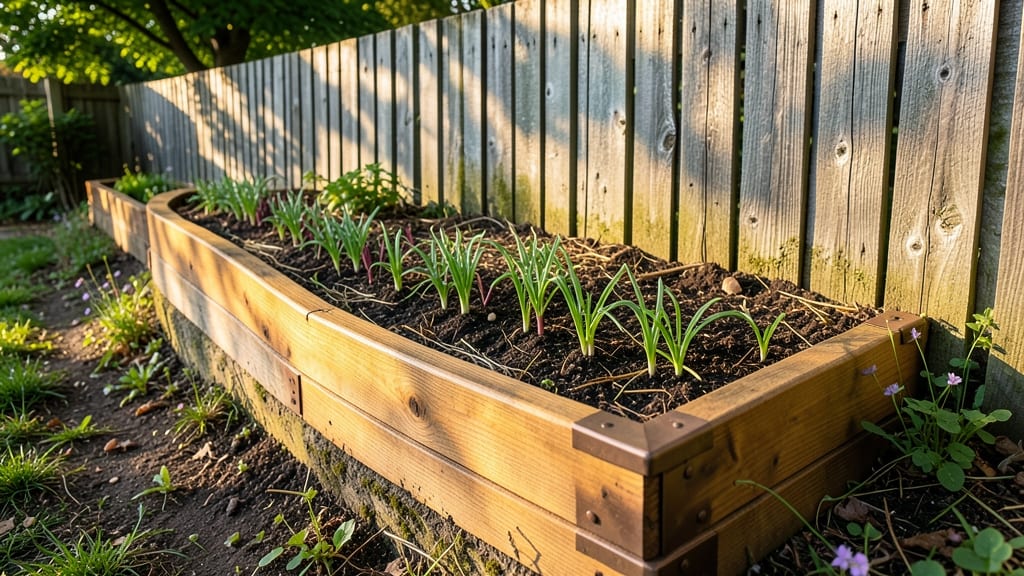
Transform that tricky sloped fence into a productive growing zone without backbreaking leveling work. A curved cedar raised bed follows the natural terrain, preventing soil erosion while giving deep-rooted crops like carrots and potatoes the space they need to thrive.
Start by outlining your bed's shape with landscape fabric to stabilize the slope, then fill with a mix of topsoil and compost (at least 12 inches deep) to accommodate long taproots. Use cedar lumber for its natural rot resistance and aromatic qualities, and secure it with galvanized screws to prevent rust. For extra erosion control, line the base with river rocks or edging stones.
This design is perfect for gardeners with uneven yards who want to grow heavy feeders without the hassle of leveling. Plus, the organic curves add charm to any landscape. 💚
Hanging Pocket Planters on Fence Lattice
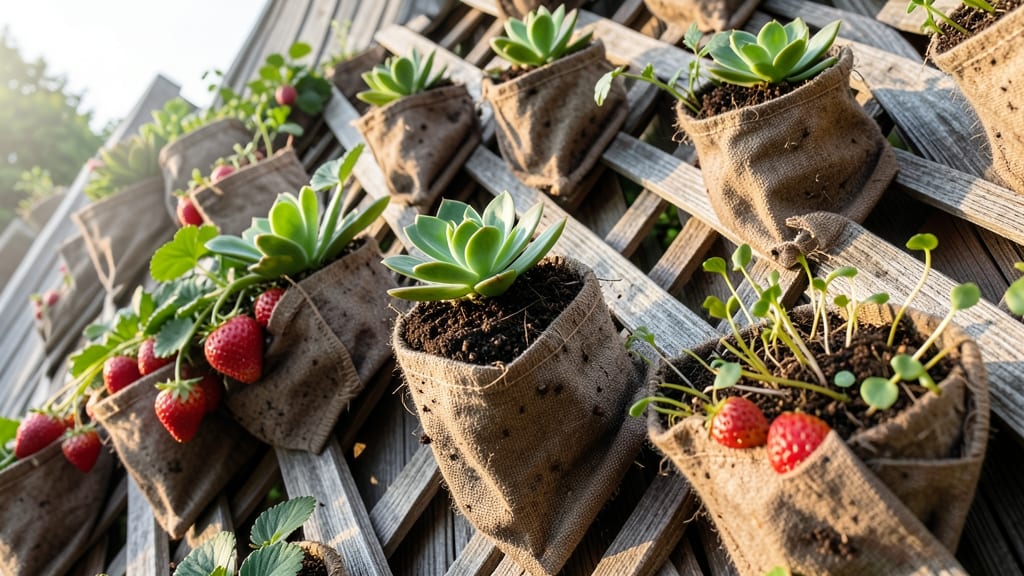
Turn your fence into a thriving vertical garden without permanent modifications using repurposed lattice panels. This clever solution creates hanging fabric pockets that hold soil and plants—ideal for succulents, strawberries, or microgreens—while adding texture and charm to any outdoor space.
Start by mounting a lattice panel vertically on your fence using sturdy brackets. Cut fabric pockets (like those used for hanging planters) to fit between the lattice slats, then fill them with lightweight potting mix. This setup works perfectly for renters or areas with poor soil quality, as it requires no digging and can be moved easily. Strawberries thrive in these pockets, cascading beautifully, while succulents need minimal watering.
This method is a game-changer for urban gardeners or those with limited space, offering a low-cost, customizable way to grow edibles or ornamentals. Plus, the lattice adds a rustic, textured backdrop that enhances your garden’s aesthetic. 🌱
Metal Corrugated Roof Privacy Bed
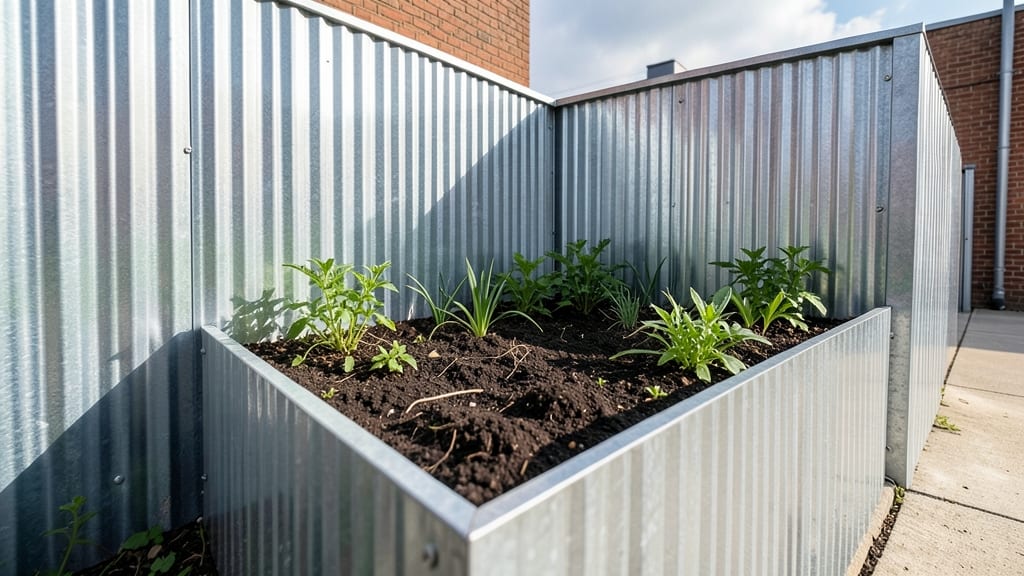
Skip the traditional wood—this industrial-chic raised bed uses corrugated metal sheets as walls, creating a sleek, weatherproof design that reflects sunlight back into your plants. The modern aesthetic pairs perfectly with urban gardens or contemporary landscapes, while the reflective metal helps drought-tolerant plants like rosemary or lavender thrive in hot climates by reducing heat stress.
Start by securing pre-cut metal sheets (3–4 feet tall) to a concrete or gravel base for stability. Use stainless steel screws to attach the metal to a wooden or composite frame, ensuring proper drainage with gravel at the bottom. Plant lavender along the edges to soften the industrial look while benefiting from the reflected sunlight—this combo creates a fragrant, low-maintenance privacy screen.
This design is a game-changer for urban gardeners or anyone with limited space who wants a low-maintenance, high-impact solution. The metal’s durability means no rot or warping, and the reflective properties make it ideal for sun-loving Mediterranean herbs. 💡
Pallet Wood Vertical Garden Tower
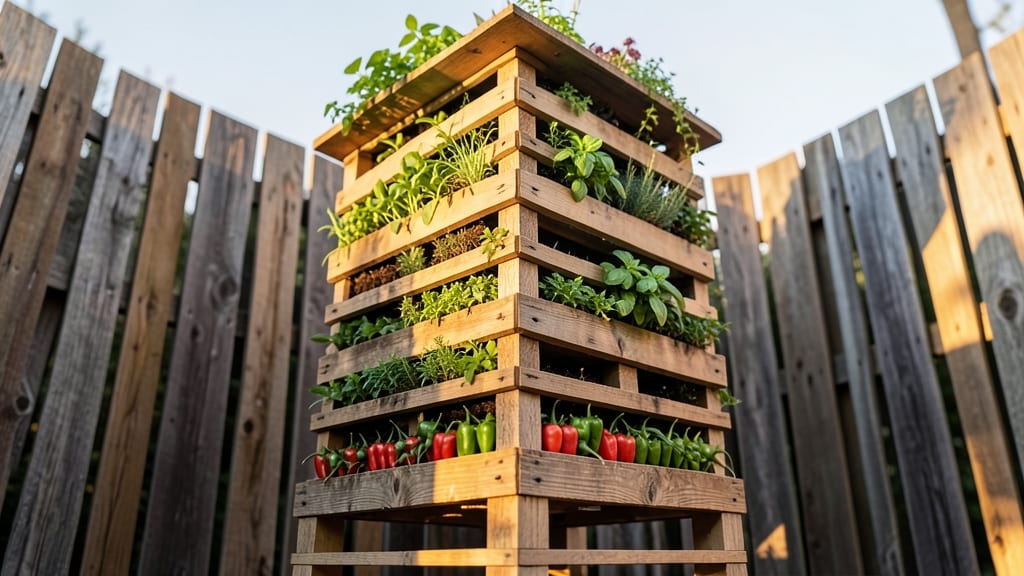
Turn pallet wood into a space-saving powerhouse with this freestanding vertical garden tower that hugs your fence like a living bookshelf. By stacking pallet slats into a tower, you create a 360-degree growing surface perfect for leafy greens, peppers, or herbs—ideal for urban gardeners with limited square footage.
Start by disassembling clean, heat-treated pallets and arranging the slats vertically in a square or rectangular tower. Secure them with galvanized brackets or screws, and line the inside with landscape fabric to prevent soil spillage. Fill each pocket with lightweight potting mix enriched with compost, then plant fast-growing lettuce, kale, or cherry peppers in the upper pockets where they’ll catch the most sun. For extra stability, anchor the base to the ground with stakes or bricks.
This design is perfect for small-space gardeners who want high yields without sacrificing style. The rustic charm blends seamlessly with any yard, while the vertical space maximizes your growing potential—no digging required! 🌱
Glass Jar Window Boxes on Fence
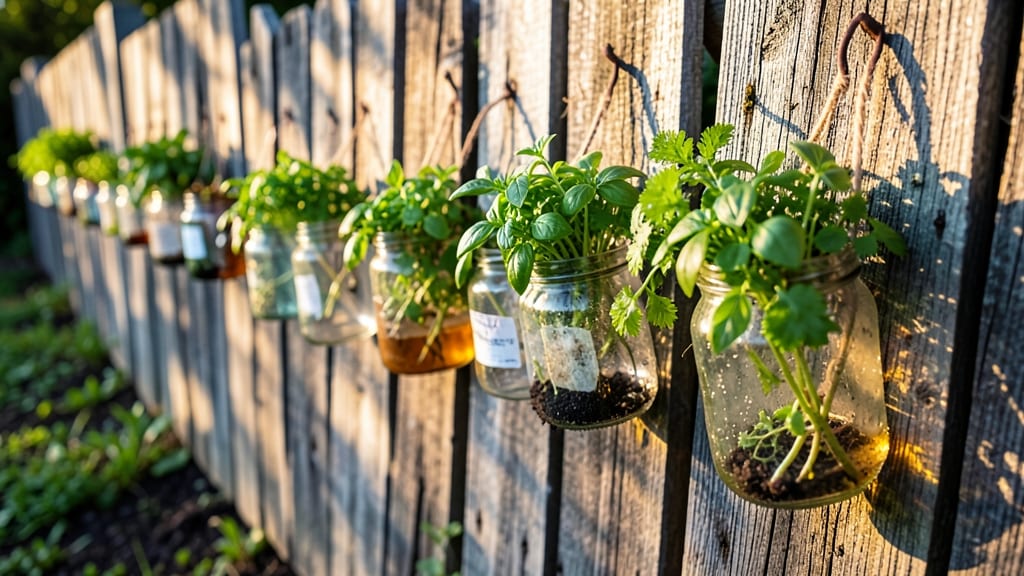
Turn empty fence space into a whimsical, functional garden with glass jar window boxes—no digging, no heavy materials, just repurposed jars and a touch of charm. These hanging planters filter sunlight beautifully, creating a dappled light effect that’s perfect for herbs like basil or parsley while adding a cottage-core aesthetic to any yard.
Start by cleaning and removing labels from mason jars, then drill small drainage holes in the bottom. Use metal brackets or sturdy twine to hang them from your fence at varying heights, ensuring the north-facing jars get morning sun (ideal for leafy greens) while south-facing jars catch afternoon warmth (perfect for flowers like marigolds or pansies). Fill with well-draining potting mix and water lightly—these jars dry out faster than traditional planters, so check moisture daily in hot weather.
This zero-waste solution is ideal for urban gardeners, renters, or anyone with limited space who wants instant curb appeal. The glass jars also double as decorative accents, catching morning dew and refracting sunlight into your garden. 🌷
Living Fence with Interwoven Beds
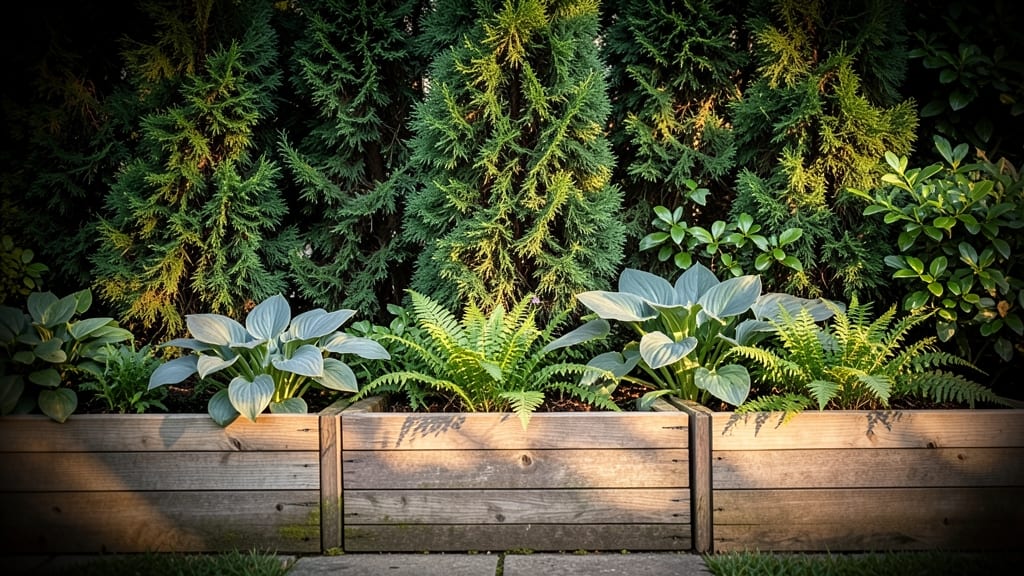
Create a living privacy screen that grows with your garden by weaving narrow raised beds between rows of fast-growing shrubs like privet or arborvitae. This dual-purpose design acts as both a windbreak and a lush backdrop for shade-loving plants like hostas or ferns, while keeping your yard serene and secluded.
Start by planting evergreen shrubs (spaced 3–4 feet apart) in a staggered pattern along your fence line, then tuck narrow raised beds (12–18 inches wide) between them. Use cedar or composite wood for the beds to match the shrubs’ longevity, and fill with moisture-retentive soil to support hostas. The shrubs’ dense foliage will shield delicate plants from harsh winds while filtering sunlight—ideal for woodland gardeners or those with partial-shade yards.
This approach is perfect for gardeners who want year-round privacy without sacrificing growing space. The layered look creates depth while requiring minimal maintenance—just prune the shrubs annually and mulch the beds to keep weeds at bay. 💚
Reflective Mirror-Backed Raised Bed
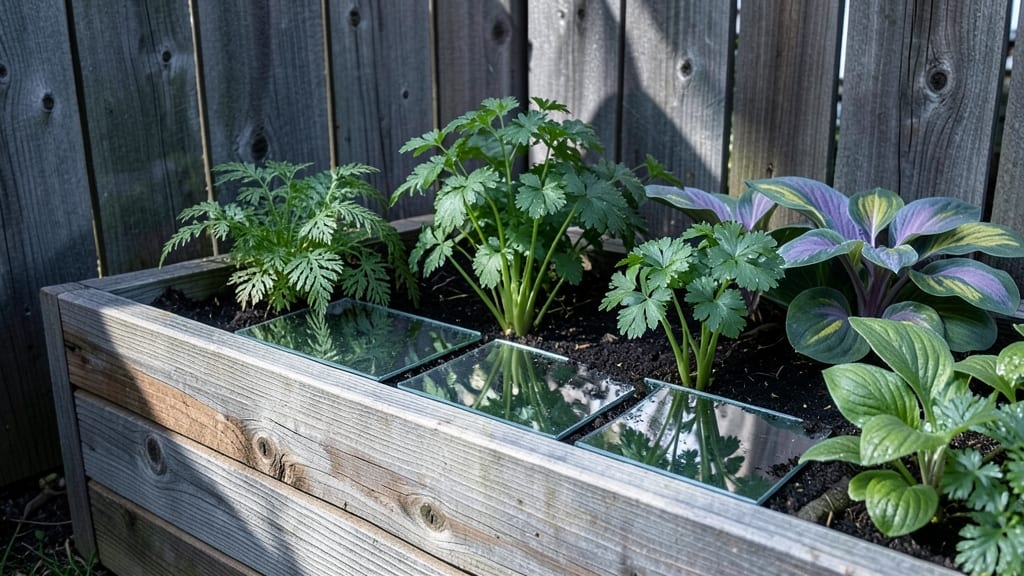
Brighten up those shady corners with a reflective mirror-backed raised bed—a game-changer for north-facing fences or urban canyons where sunlight is scarce. By lining one side with mirrors, you bounce extra light onto shade-loving plants like ferns, parsley, or hostas, turning low-light areas into thriving microclimates.
Start by building a standard raised bed (2–4 feet wide) using rot-resistant cedar or composite lumber, then attach 12-inch-wide mirrors along the north-facing side with weatherproof adhesive or brackets. Position the bed perpendicular to the fence to maximize reflected light exposure. Use moisture-retentive soil mixed with compost to help plants absorb the extra light energy, and plant foliage-heavy greens like parsley or Swiss chard in the mirrored zone for optimal growth.
This innovative design is perfect for urban gardeners or anyone with limited sunlight, offering a sleek, modern solution that doubles your growing space. The mirrored effect also creates a striking visual element, making your garden both functional and fashionable. ✨
Modular Concrete Block Planters

Skip the wood rot worries and embrace the ultimate low-maintenance planter with modular concrete block beds. These stackable blocks create sturdy, weatherproof frames that need no staining or sealing—just fill, plant, and enjoy year-round durability in even the harshest climates.
Start by arranging interlocking concrete blocks (like cinder blocks) in your desired shape, then fill with a mix of gravel and cactus/succulent soil for perfect drainage. Mediterranean herbs like rosemary, thyme, and oregano thrive in these beds, while succulents like sedum or echeveria add architectural interest. The blocks’ natural gaps even create micro-habitats for beneficial insects, reducing pest issues organically.
This solution is perfect for hot, dry climates or gardeners who want a permanent, no-fuss option. The minimalist design blends seamlessly with modern or desert landscapes while requiring zero upkeep beyond occasional watering. 🌻