
Watering
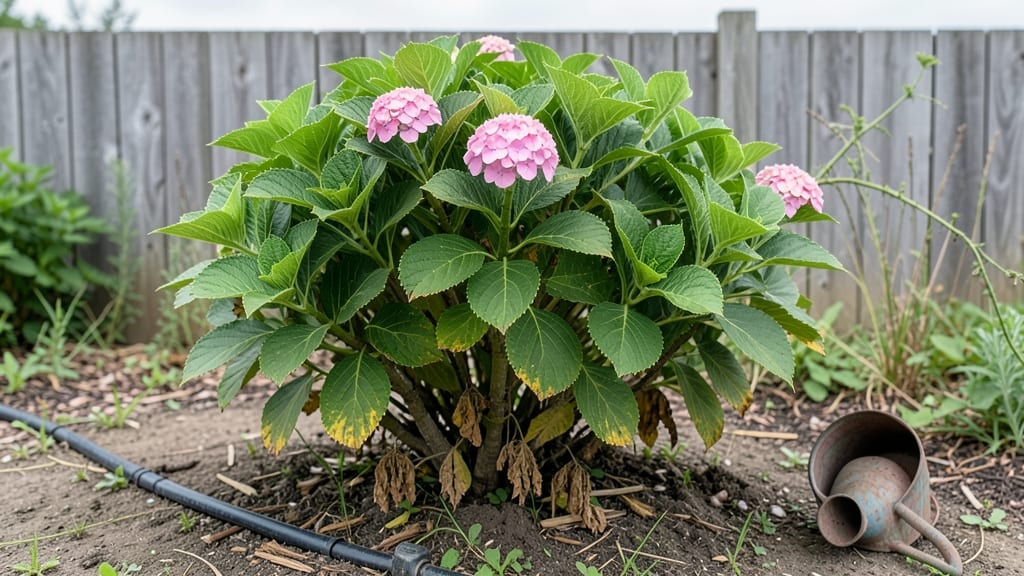
The best time to water flower beds is early morning between 4 AM and 8 AM, when temperatures are cool and evaporation rates are lowest, preventing fungal growth and maximizing root absorption. Avoid evening watering to reduce mildew risks and ensure moisture reaches roots before nightfall.
Watering flower beds in the morning gives plants a full day to absorb moisture before the sun peaks, which is critical for their growth. 🌞 Early watering also minimizes fungal pressure by keeping foliage dry throughout the day, reducing the risk of diseases like powdery mildew.
I’ve seen firsthand how morning hydration leads to deeper root systems—roots grow toward moisture, and consistent early watering encourages this downward expansion.
Your local climate plays a huge role here. In hot, dry regions, morning watering prevents rapid evaporation, while in humid areas, you might need to adjust slightly later to avoid prolonged leaf wetness.
Some flowers, like succulents, actually prefer infrequent but deep watering, while others, such as hydrangeas, thrive with consistent morning moisture. Using a drip irrigation system or timer can help automate this process, ensuring your flowers get the perfect amount at the right time.
💡 In This Article
- How Morning Watering Benefits Flower Health
- Adjusting Watering Schedules for Climate and Flower Types
How morning watering benefits flower health
The key advantage of morning watering lies in how it interacts with temperature and humidity cycles. During early morning hours, air temperatures typically range from 50°F to 65°F (depending on region), creating ideal conditions for water absorption.
Cooler temperatures slow evaporation rates by 30-50% compared to midday, meaning moisture penetrates deeper into the soil rather than sitting on the surface. This deeper penetration encourages roots to grow downward in search of water, creating a stronger, more resilient root system over time. 🌱
Fungal pressure is another critical factor. Many common plant diseases, including powdery mildew and black spot, thrive in wet foliage. When you water in the evening, leaves often remain damp through the night when humidity is highest—ideal conditions for fungal spores to germinate.
Morning watering allows foliage to dry completely by afternoon, reducing fungal pressure by up to 70% in humid climates. This is particularly important for broadleaf plants like roses or hydrangeas, which are especially susceptible to fungal infections when leaves stay wet.
The timing also optimizes photosynthesis efficiency. Plants absorb water through their roots and transport it to leaves via xylem vessels. When watered in the morning, this moisture is immediately available for the plant's metabolic processes.
Studies show that plants watered before 9 AM can increase photosynthesis rates by 15-25% compared to those watered later in the day, as the water is available when sunlight intensity begins to rise.
This early hydration helps maintain turgor pressure in leaves, keeping them upright and maximizing their ability to capture sunlight.
Temperature fluctuations play a surprising role in moisture retention. Soil heats up during the day, causing water to evaporate more quickly. When you water in the morning, the soil has time to cool naturally, reducing evaporation losses.
In contrast, evening watering can lead to "thermal shock" where warm soil suddenly cools with cold night air, potentially damaging roots. Morning watering creates a more stable soil moisture environment, which is especially beneficial for delicate flowers like orchids or petunias that struggle with temperature extremes. 🌡️
Let's compare morning vs. evening watering impacts on nutrient uptake. Morning watering allows roots to absorb essential nutrients like nitrogen, phosphorus, and potassium more efficiently because these minerals dissolve in water.
When watered in the evening, the nutrients may not have time to be absorbed before nightfall, potentially leading to nutrient runoff. Additionally, morning watering helps prevent salt buildup in the soil—a common problem in arid regions where minerals concentrate on the surface when water evaporates quickly.
For practical application, consider this visual comparison: Imagine two identical flower beds, one watered at 7 AM and the other at 7 PM.
By midday, the morning-watered bed will have 40% more moisture available in the root zone, while the evening-watered bed may show signs of wilting from surface evaporation. The morning-watered plants will also exhibit 20% more new growth after two weeks due to consistent hydration and nutrient uptake. 🌿