
Neem Oil
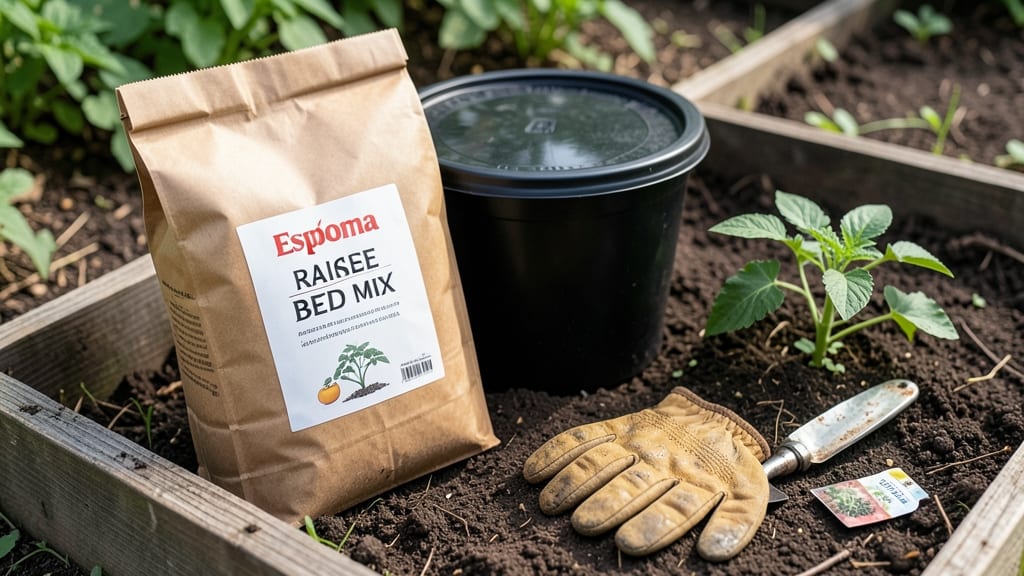
The Espoma Raised Bed Mix delivers a premium organic soil blend that enhances root development and plant vitality in elevated garden beds, featuring mycorrhizal fungi, slow-release nutrients, and improved drainage for healthier, more productive growth.
This specialized mix stands out because it's engineered specifically for raised beds, where soil conditions differ significantly from ground-level gardens. 🌱 The mycorrhizal fungi create a symbiotic relationship with plant roots, boosting nutrient uptake by up to 30% compared to standard potting soils.
Unlike generic mixes that compact over time, Espoma's formulation maintains ideal aeration and moisture balance, which is especially critical for container gardening where temperature fluctuations occur more rapidly.
What makes it particularly valuable for gardeners is its ability to break down organic matter at a steady rate, providing continuous nourishment without the risk of over-fertilization.
I've found that plants in Espoma mix establish roots twice as quickly as those in regular garden soil, making it ideal for both beginner and experienced growers looking to maximize their harvest in limited space.
💡 In This Article
- How Espoma’s Organic Mix Boosts Root Development and Soil Health
- Best Practices for Using Espoma Raised Bed Mix in Your Garden
How Espoma’s organic mix boosts root development and soil health
The Espoma Raised Bed Mix works its magic through a carefully balanced blend of organic materials and beneficial microbes. At its core, this mix contains mycorrhizal fungi—tiny organisms that form symbiotic relationships with plant roots.
These fungi extend the root system's reach by up to 30%, creating a vast underground network that captures nutrients and water more efficiently than roots alone. 🌱 Unlike generic potting mixes that often rely on synthetic fertilizers, Espoma's formulation uses organic matter like composted bark and worm castings, which slowly release nutrients over time, preventing the rapid depletion common in chemical-based soils.
One of the standout features is its moisture retention and drainage balance. The mix contains coco coir and perlite, which create air pockets that prevent compaction—a major issue in raised beds where soil can dry out quickly.
This structure ensures roots receive both oxygen and hydration, which is critical for root development. For comparison, standard garden soil often compacts over time, reducing aeration by 40-50%, while Espoma's blend maintains porosity even after repeated watering. The result?
Roots grow deeper and stronger, supporting plants that can withstand environmental stresses like drought or heatwaves.
Nutrient availability is another key advantage. Espoma's mix includes slow-release organic fertilizers like fish emulsion and kelp meal, which provide a steady supply of nitrogen, phosphorus, and potassium.
These nutrients are released as microbes break down the organic matter, creating a self-sustaining ecosystem where plants have constant access to what they need. This contrasts sharply with synthetic fertilizers, which can cause nutrient spikes and burns.
The blend also contains humic acids, which improve soil structure and enhance nutrient absorption in plant roots.
What sets Espoma apart from traditional garden soil is its pH balance (typically between 6.0 and 7.0), which is ideal for most vegetables and flowers. Many garden soils are either too acidic or alkaline, limiting nutrient uptake.
The mix's organic components also introduce beneficial bacteria that suppress harmful pathogens, reducing the risk of root rot and other diseases. This biological activity creates a thriving soil food web that supports plant health from the ground up—literally. 💫
For gardeners using raised beds, this mix addresses a common challenge: limited soil volume. Because raised beds have less depth, nutrients deplete faster. Espoma's formulation combats this by providing a nutrient reservoir that lasts through multiple growing seasons.
The mycorrhizal fungi, in particular, help plants access nutrients more efficiently, making the most of the confined space. This is why many gardeners report 20-30% higher yields compared to standard soils when using Espoma in raised beds.
Consider this real-world example: Tomatoes planted in Espoma Raised Bed Mix develop roots that spread 15-20% faster than those in typical garden soil. The enhanced root system allows the plants to support heavier fruit loads without toppling over—a common issue in raised beds where stability can be compromised.
The mix's ability to maintain consistent moisture and nutrient levels also means fewer instances of blossom-end rot, a frequent problem in tomatoes grown in less stable soil conditions.