
Fertilization
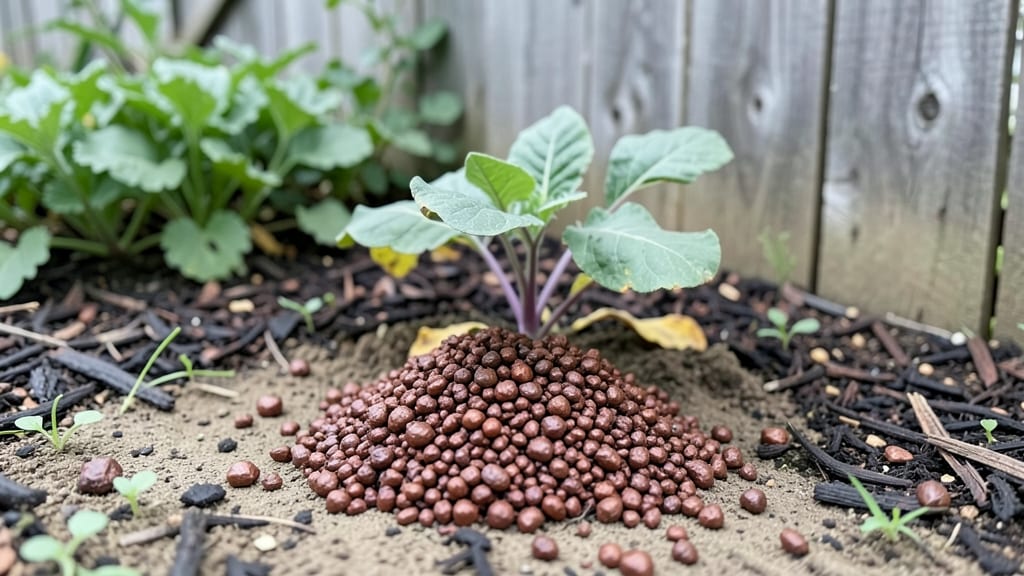
Using copper in garden beds boosts soil fertility by enhancing microbial activity, reducing fungal diseases, and improving nutrient absorption—especially for nutrient-hungry plants like tomatoes and leafy greens. Opt for organic sources like compost or use copper sulfate carefully to avoid toxicity.
Copper plays a crucial role in plant metabolism, acting as a catalyst for enzymes that help convert sunlight into energy through chlorophyll production. 🌱 This micronutrient also strengthens cell walls, making plants more resilient to pests and diseases like late blight.
Unlike synthetic fertilizers, organic copper sources—such as compost or manure—release nutrients slowly, reducing the risk of overapplication. For best results, test your soil first to determine if a deficiency exists before adding copper.
Many gardeners mistakenly assume more copper equals better growth, but excess amounts can harm beneficial microbes and even stunt plant development. A light application (about 1-2 pounds of copper sulfate per 100 square feet) is usually sufficient for most gardens.
For a safer, long-term approach, I recommend mixing copper-rich materials like crushed eggshells or composted green waste into the soil during planting season.
💡 In This Article
- How Copper Improves Soil and Plant Growth Mechanisms
- Safe Ways to Add Copper to Garden Soil
How copper improves soil and plant growth mechanisms
Copper acts as a vital micronutrient in plants by serving as a cofactor for enzymes involved in photosynthesis and respiration. Specifically, it plays a key role in plastocyanin, a protein that transfers electrons during photosynthesis, helping plants convert sunlight into chemical energy more efficiently.
Without adequate copper, plants produce less chlorophyll, resulting in pale leaves and stunted growth—especially noticeable in leafy greens like spinach and kale.
The enzyme phenoloxidase also relies on copper to strengthen cell walls, making plants more resistant to fungal pathogens like late blight (common in tomatoes) and powdery mildew (affecting squash and cucumbers).
Copper ions disrupt fungal cell membranes, effectively acting as a natural fungicide. Studies show that copper-treated soils reduce fungal spores by up to 40% compared to untreated beds. 💫
Organic copper sources, such as composted manure or copper-rich compost, release nutrients slowly, mimicking natural soil processes. In contrast, inorganic forms like copper sulfate dissolve quickly, providing an immediate but short-lived boost.
Soil tests reveal that organic copper becomes plant-available over 3-6 months, while copper sulfate is absorbed within 1-2 weeks—though excess can leach into groundwater.
Leafy greens and fruiting plants (like tomatoes and peppers) show the most dramatic responses to copper supplementation. For example, copper-deficient tomato plants exhibit interveinal chlorosis (yellowing between leaf veins) and produce fewer fruits.
Adding 0.5-1 pound of copper sulfate per 100 sq ft can correct deficiencies, but exceeding 5 pounds per 100 sq ft risks phytotoxicity in sensitive plants like brassicas.
Copper also enhances microbial diversity in the soil. Beneficial bacteria and fungi, like Pseudomonas and Trichoderma, thrive in copper-optimized environments, breaking down organic matter more efficiently.
This microbial activity improves nutrient cycling, making phosphorus and nitrogen more accessible to plants. The result? Healthier roots, stronger stems, and higher yields—especially in nutrient-poor soils.
For gardeners, the key is balance. While copper is essential, too much can harm soil life. Organic sources like copper-rich compost or crushed eggshells (which contain trace copper) provide a safer, long-term solution. Always test your soil before applying copper to avoid unnecessary risks. 🌱