
Pests and Diseases
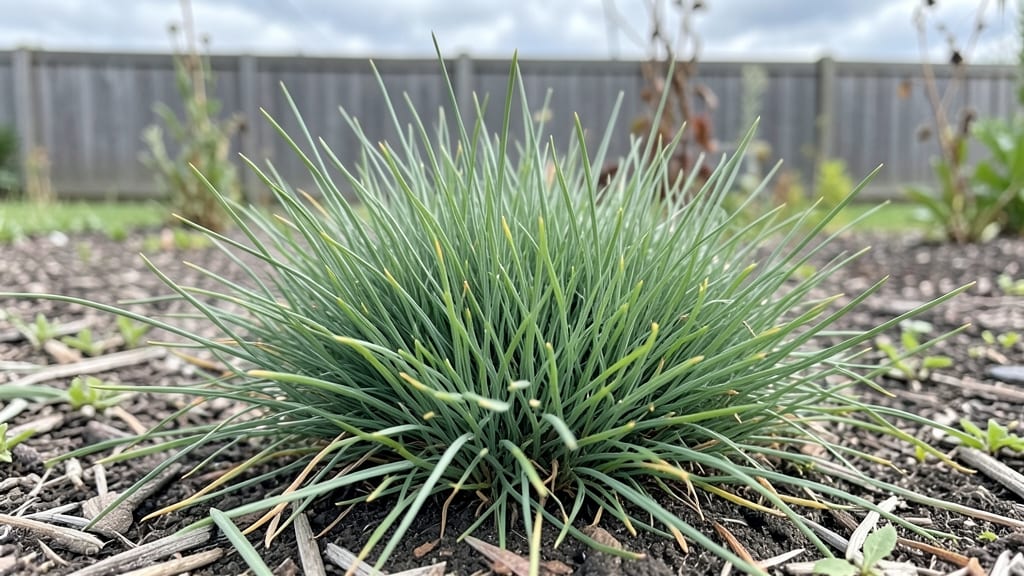
Grass creeping into garden beds is the gardener’s silent takeover—one day your neat rows are perfect, the next you’re staring at a lawn in disguise. I’ve spent years battling this stubborn invader, and the secret isn’t brute force but smart soil management and simple prevention.
The good news? You can reclaim your beds without chemicals, and keep them grass-free for good.
Most people grab a hoe or spray, but that’s like playing whack-a-mole—grass roots run deep, and cutting it just makes it fight harder. Instead, I focus on three layers: blocking sunlight with thick mulch, smothering existing grass with cardboard or newspaper, and improving soil so plants outcompete weeds.
It takes patience, but once you see your beds stay clean, you’ll wonder why you didn’t try this sooner.
By the end of this, your garden beds will look like the polished showpiece you envisioned—no more sneaky grass sprouts ruining your rows. The key is consistency: a little effort now saves hours of weeding later. Let’s get those beds back to their rightful purpose—growing what you want to grow.
Works for vegetable gardens, flower beds, or even raised beds—just swap the mulch type for your climate. No more chemical battles, no more lost ground. Just clean, productive soil waiting for your plants.
Why Grass Invades Garden Soil
Grass sneaking into your garden beds isn’t just an eyesore—it’s a sign your plants are competing for resources. Understanding the root causes (literally!) helps you stop it before it spreads. Here’s why this happens and how to tackle it head-on.
Grass seeds lie dormant in the soil, waiting for the right conditions to sprout. If your garden beds weren’t properly cleared before planting, hidden grass roots or seeds can take over.
Even a thin layer of topsoil left behind during bed creation can harbor grass seeds, which germinate when exposed to sunlight and moisture.
The science behind it: Grass seeds have a hard, protective coating that can survive for years in dormancy. When you till or disturb the soil—even lightly—they get triggered to grow. If your garden bed soil wasn’t sterilized (via solarization, deep tilling, or chemical-free methods like vinegar or boiling water), these seeds remain active.
Actionable fix:
- Remove sod completely: Dig out at least 6–12 inches deep to ensure no roots or seeds remain.
- Test your soil: Use a simple soil test kit to check for grass seed presence before planting.
- Cover bare soil: Apply a thick layer of mulch (straw, wood chips, or cardboard) to block light, which grass seeds need to germinate.
Grass thrives in sunlight, and even a tiny gap in mulch or bare patches in your garden bed can invite it in. If your plants are sparse or you’ve recently added new beds, sunlight reaches the soil surface, signaling grass seeds to sprout.
The science behind it: Grass seeds are photoblastic, meaning they germinate in response to light. When soil is exposed—whether from thinning plants, erosion, or poor mulching—seeds detect the light and send roots downward within days.
Actionable fix:
- Mulch aggressively: Use 3–4 inches of organic mulch (like shredded leaves or pine straw) to smother light.
- Plant densely: Fill gaps quickly with ground covers (like clover or creeping thyme) or companion plants to outcompete grass.
- Use landscape fabric (temporarily): If grass is already sprouting, lay down fabric under mulch to block new seeds from reaching the soil.
Grass loves moisture, and inconsistent watering can actually encourage it. While drought stresses out grass, too much water (or watering at the wrong times) keeps the soil damp—perfect for grass seed germination and growth.
The science behind it: Grass seeds require moisture to break dormancy, and once sprouted, they grow faster in wet conditions. Drip irrigation or overhead sprinklers can also spread grass seeds from lawns into garden beds via water runoff.
Actionable fix:
- Water deeply but less often: Aim for 1–1.5 inches of water per week, delivered at the base of plants (not the soil surface).
- Adjust sprinkler heads: Ensure they don’t overspray onto garden beds.
- Use soaker hoses: Direct water to plant roots only, reducing surface moisture that fuels grass.
Healthy garden beds teem with plants that outcompete grass for nutrients, water, and space. If your garden is underplanted, weeds (including grass) fill the void. Even "good" plants like annuals or shallow-rooted perennials may not suppress grass effectively.
The science behind it: Plants release allelopathic chemicals (like those in basil or marigolds) that inhibit weed growth. Without a strong, dense plant population, grass dominates by exploiting open soil.
Actionable fix:
- Plant aggressively: Use fast-growing ground covers (like creeping jenny or ajuga) or dense perennials.
- Interplant with grass suppressors: Try comfrey, mint, or clover—they shade out grass naturally.
- Thin seedlings properly: Avoid bare spots by spacing plants correctly from the start.
Grass seeds are lightweight and travel easily. Wind, birds, or even lawnmower debris can carry them into your garden beds. If you have a lawn nearby, seeds hitchhike into flower beds during mowing or rain.
The science behind it: Grass seeds have aerenchyma (air-filled tissues) to stay buoyant, making them perfect for wind dispersal. Animals (like squirrels or birds) also spread seeds via their fur or droppings.
Actionable fix:
- Create a buffer zone: Plant a 2–3 foot strip of deep-rooted perennials (like daylilies or hostas) between lawns and garden beds.
- Clean up debris: Remove grass clippings or leaf litter from garden edges after mowing.
- Use a "grass trap" border: Plant fast-growing grasses (like ornamental wheatgrass) in a dedicated strip to catch stray seeds.
Every time you dig, weed, or aerate garden soil, you loosen dormant grass seeds, bringing them to the surface where they can germinate. Even "gentle" gardening tools can trigger this.
The science behind it: Grass seeds lie just below the soil surface (the "seed bank") and germinate when exposed to light and air. Disturbing the top 1–2 inches of soil is enough to wake them up.
Actionable fix:
- Minimize tilling: Use no-dig gardening methods where possible.
- Weed by hand: Pull grass (with roots!) before it seeds.
- Top-dress with compost: Adds a fresh layer that buries seeds deeper, where they won’t sprout.
Grass seeds germinate best in spring and fall, when temperatures are mild and moisture is consistent. If you plant garden beds during these seasons without precautions, you’re rolling out the welcome mat for grass.
The science behind it: Grass seeds have optimal temperature ranges (50–85°F for most types). Outside this window, they stay dormant, but spring/fall conditions are prime for growth.
Actionable fix:
- Plant in summer or late winter: Avoid peak germination seasons.
- Pre-treat soil: Apply corn gluten meal (a natural pre-emergent) in early spring to block seeds.
- Use smother crops: Plant cover crops like rye in fall to outcompete grass before your garden season starts.
Practical Ways to Remove Grass
Now that you know why grass invades your garden beds, it’s time to take action! The good news is that you can eliminate unwanted grass permanently—without harsh chemicals—using targeted methods.
Below, we’ve mapped the most common causes to the best solutions, along with prevention tips to keep your garden beds lush and grass-free.
If grass has already taken over, the first step is to suppress it before removal. Smothering cuts off sunlight, weakening the grass so it’s easier to pull or kill.
🌱 Method 1: Cardboard or Newspaper Mulch
- How to do it: Lay down 2-3 layers of wet cardboard or thick newspaper over the grassy area.
Overlap edges to block light completely. - Top it off with 4-6 inches of organic mulch (straw, wood chips, or shredded leaves). - Wait 4-6 weeks—the grass will decompose under the barrier. - Pro tip: 💡 Use black plastic sheeting for faster results (6-8 weeks), but remove it carefully to avoid damaging soil.
🍳 Method 2: Corn Gluten Meal (Pre-Emergent Barrier)
- How to do it: Apply 20 lbs of corn gluten meal per 100 sq ft to bare soil before grass seeds sprout.
- Water lightly to activate.
It won’t kill existing grass but prevents new growth. - Best for: Long-term prevention in newly cleared beds.
For small patches, physical removal is the most eco-friendly option. But timing and technique matter!
🔪 Step-by-Step Pulling Guide
- Wait for rain or water deeply – Wet soil makes grass easier to remove.
- Use a garden fork or weeding tool – Loosen roots 1-2 inches deep to prevent regrowth.
- Pull in sections – Grasp the base and yank firmly (or use a grass-specific weeder for stubborn clumps).
- Check for roots – Even tiny root fragments can regrow. Inspect soil and remove any leftovers.
- Solarize the area – Cover with clear plastic for 4-6 weeks in hot sun to kill remaining roots.
⏰ Best Time to Pull
- Early morning or late afternoon (grass is softer).
- After rain (soil is loose).
- Avoid midday heat (grass pulls easier when cool).
If smothering isn’t enough, vinegar-based solutions or solarization can finish the job.
🍋 Vinegar Spray (For Spot Treatment)
- Mix: 1 gallon white vinegar + 1 cup dish soap + 1 cup salt (optional for extra potency).
- Spray directly on grass (avoid desired plants—it’s non-selective!).
- Reapply every 2-3 days until grass turns brown and dies (~1-2 weeks).
- Pro tip: 🌡️ Add boiling water to the mix for faster results (but use caution—it can damage soil if overused).
☀️ Solarization (For Large Areas)
- Best in hot climates (85°F+).
- Lay clear plastic sheeting tightly over the grassy area, securing edges with soil or rocks.
- Leave for 4-8 weeks—sun heats the soil to 120°F+, killing grass roots.
- Remove plastic, till the soil, and replant.
Once you’ve removed the grass, prevent regrowth with these long-term strategies:
| Problem | Solution | Prevention Tip |
|---|---|---|
| Grass seeds blowing in | Install hardware cloth barriers (1/4" mesh) around beds. | 💡 Bury edges 2-3 inches deep to block seeds. |
| Grass spreading from lawn | Edge beds with metal or plastic (at least 6" deep). | ✨ Use landscape fabric under mulch for extra protection. |
| Weak soil lets grass take over | Amend soil with compost (4-6 inches deep) to crowd out grass. | 🌱 Plant dense ground covers (clover, creeping thyme) to shade soil. |
| Mowing debris spreads seeds | Keep lawn mower blades sharp and bag clippings near garden edges. | 🔪 Mow high (3-4") to weaken grass growth. |
The best way to permanently eliminate grass? Outcompete it with plants!
- Fast-growing annuals (sunflowers, buckwheat) smother soil quickly.
- Perennial ground covers (ajuga, lamium) create a living barrier.
- Deep-rooted perennials (hostas, daylilies) shade out grass over time.
Final Thought: 🌿 Patience is key—some methods take weeks, but consistency wins. Combine smothering + manual removal + prevention, and you’ll have a grass-free garden bed in no time!
Frequently asked questions about managing grass in garden beds
Why does grass keep coming back even after I remove it?
Grass has deep roots and a massive seed bank in the soil. Even small root fragments can regrow, and dormant seeds lie waiting for sunlight. To stop regrowth, remove all roots (dig 1-2 inches deep) and block light with 4+ inches of mulch or landscape fabric. Solarization (clear plastic for 4-6 weeks) also kills hidden roots.
Is vinegar safe to use on garden beds?
Vinegar is non-selective, so it will kill anything it touches—plants, grass, and even soil microbes. Use it only for spot treatments on bare soil or between plants. For garden beds, opt for smothering methods (cardboard + mulch) or corn gluten meal instead. Always test a small area first!
How long does it take to permanently eliminate grass?
With smothering methods (cardboard + mulch), you’ll see results in 4-6 weeks. Solarization takes 6-8 weeks in hot climates. For long-term success, combine removal with prevention—like installing hardware cloth barriers and planting dense ground covers. Patience is key; grass roots can persist for months.
Can I use corn gluten meal in vegetable gardens?
Yes! Corn gluten meal is organic and safe for vegetable gardens. Apply 20 lbs per 100 sq ft in early spring to prevent grass seeds from germinating. It won’t harm existing plants or soil microbes, but it won’t kill established grass—use it as a preventative measure before seeds sprout.
What’s the best mulch to stop grass regrowth?
For maximum grass suppression, use 4-6 inches of organic mulch like wood chips, straw, or shredded leaves. Inorganic options (like landscape fabric) work too but can degrade soil over time. Avoid thin layers—grass needs just 1/8 inch of light to grow! Refresh mulch annually for best results.