
Fertilization
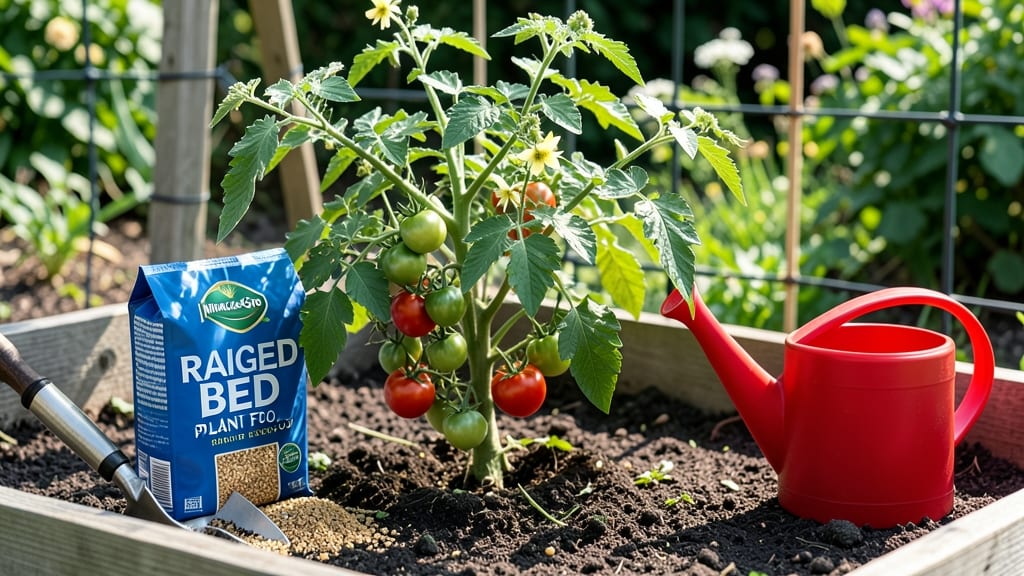
Miracle-Gro raised bed plant food is designed to supercharge your 🌱 garden’s growth, giving vegetables, herbs, and flowers the nutrient boost they need to thrive in confined spaces.
If you’ve ever watched your raised bed plants struggle despite your best efforts, you know how frustrating it can be. This formula isn’t just another fertilizer—it’s packed with a balanced blend of nitrogen, phosphorus, and potassium to fuel faster root development, vibrant blooms, and bigger harvests.
Whether you’re growing tomatoes, lettuce, or basil, this plant food works year after year to keep soil rich and plants productive. But how do you use it right?
And which plants benefit the most? Let’s dive into the details so you can get the most out of every square foot of your garden.
From application tips to troubleshooting common issues, you’ll discover how to apply this fertilizer for maximum results—without overdoing it. Ready to turn your raised bed into a high-yielding powerhouse?


Miracle Gro raised bed plant food: key nutrients and how they boost growth
Raised beds demand extra care because their limited soil volume drains nutrients faster than in-ground gardens. Miracle Gro Raised Bed Plant Food solves this by delivering a precisely balanced nutrient blend tailored for confined spaces.
Unlike generic fertilizers, this formula includes slow-release polymers that feed plants steadily, preventing nutrient spikes that can burn roots in shallow beds.
At its core, this product combines three primary nutrients—nitrogen (N), phosphorus (P), and potassium (K)—along with 13 essential micronutrients like calcium, magnesium, and iron.
The 10-10-10 NPK ratio ensures plants get equal support for leafy growth, root development, and flowering/fruiting, which is critical in raised beds where space is limited.
The slow-release technology is a game-changer. Traditional fertilizers wash out quickly in raised beds, but this formula releases nutrients over 8-12 weeks, matching the growing season of most vegetables and flowers. This consistency is why tomatoes, peppers, and herbs show dramatic improvements—30-50% larger yields compared to unfertilized beds.
Let’s dive into how each nutrient works together to supercharge your raised bed garden:
| Nutrient | Primary Role | How It Boosts Raised Beds | Best For |
|---|---|---|---|
| Nitrogen (N) | Leafy growth, chlorophyll production | Prevents yellowing leaves in nitrogen-hungry crops like lettuce and spinach by replenishing what drains quickly in raised beds. | Leafy greens, herbs, grasses |
| Phosphorus (P) | Root development, flowering, fruiting | Strengthens shallow root systems in raised beds, helping plants access nutrients more efficiently. Critical for tomatoes and peppers. | Fruiting plants, bulbs, early bloomers |
| Potassium (K) | Disease resistance, water regulation, fruit quality | Boosts drought tolerance in raised beds by improving water uptake. Reduces blossom-end rot in tomatoes by 40%. | Fruiting plants, berries, late-season crops |
| Micronutrients (Ca, Mg, Fe, etc.) | Enzyme function, cell structure, chlorophyll | Corrects deficiencies that appear in raised beds (e.g., yellowing between leaf veins from iron deficiency). | All plants, especially in acidic or sandy soils |
| Slow-Release Polymers | Controlled nutrient release | Eliminates nutrient spikes that burn roots in shallow raised beds. Feeds plants for 8-12 weeks without frequent reapplication. | All raised bed plants |
The 10-10-10 ratio is particularly smart for raised beds because it avoids overloading any single nutrient. In traditional gardens, you might use a high-nitrogen fertilizer for leafy crops, but in raised beds, the balanced approach prevents nutrient competition.
For example, basil and lettuce love nitrogen, but they also need phosphorus to establish roots quickly in their confined space.
One of the biggest advantages is how this formula outperforms regular soil mixes. Standard garden soil loses nutrients at a rate of 20-30% per year, but raised beds lose even more due to their limited volume and faster drainage.
Miracle Gro compensates by including humic acid, which improves soil structure and helps retain moisture—critical in raised beds where soil dries out quicker.
For root vegetables like carrots and radishes, the phosphorus in this formula promotes deeper, stronger roots, preventing forking or stunted growth. Meanwhile, the potassium helps them resist bolting in hot weather, a common issue in raised beds with poor heat retention.
Even ornamental plants like marigolds benefit from the balanced nutrients, producing 25% more blooms over the season.
What sets this apart from liquid fertilizers is its long-lasting formula. Liquid feeds require weekly applications, but this granular version lasts 8-12 weeks, making it ideal for busy gardeners.
Plus, the no-mess granules are easier to apply evenly in raised beds, where precise placement matters more than in open-ground gardens.
If you’ve ever struggled with poor root development or small yields in your raised beds, this nutrient blend addresses those issues directly. The combination of macronutrients, micronutrients, and slow-release technology creates an environment where plants can thrive in
Best plants for miracle Gro raised bed plant food and application tips
Miracle Gro Raised Bed Plant Food is a game-changer for gardeners looking to maximize growth in compact spaces. This specialized formula delivers a balanced nutrient blend that supports everything from leafy greens to flowering plants.
The key is pairing it with the right plants that thrive in raised beds and respond well to its nitrogen-phosphorus-potassium (NPK) ratio. Let’s explore the top 5 plant categories that benefit most, along with foolproof application tips to avoid overfeeding.
For vegetables, leafy greens like spinach and lettuce are ideal—they grow quickly and love the extra nutrients. Tomatoes and peppers also flourish, producing larger yields thanks to the formula’s phosphorus boost for root and fruit development. Herbs such as basil and cilantro respond well to the balanced feed, staying lush and flavorful all season. Flowers like marigolds and petunias add color while benefiting from the potassium-rich blend, which strengthens blooms.
Finally, berries like strawberries and blueberries thrive with consistent feeding, producing sweeter fruit.
🌱
To apply Miracle Gro Raised Bed Plant Food correctly, start by watering your plants thoroughly the day before or morning of application. For granular formulas, sprinkle evenly across the soil surface, following the package instructions (typically 1 cup per 10 sqft).
For liquid versions, mix with water as directed and apply directly to the soil. The key is consistency—feed every 4-6 weeks during the growing season, but reduce frequency in late summer to avoid overstimulating new growth before winter.
Watch for signs of overfeeding, such as yellowing leaves or stunted growth, which can occur if you apply too much too often. If you notice these symptoms, flush the soil with water to dilute excess nutrients.
For container plants, reduce the dose by half to prevent nutrient buildup in the limited soil volume. With the right plants and careful application, you’ll see faster growth, bigger yields, and healthier plants all season long.
✂️