
Tools
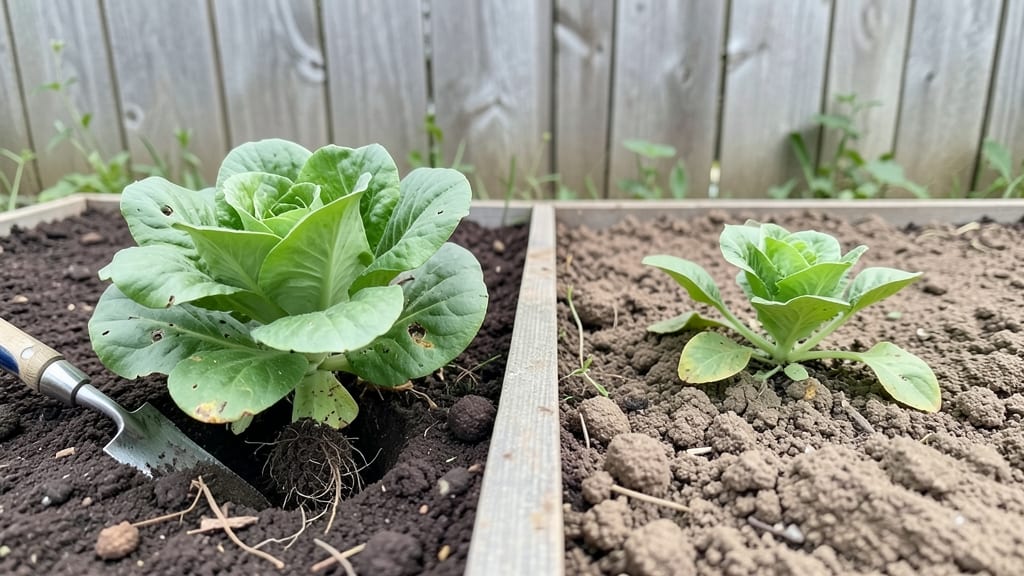
Raised beds are better because they improve drainage, warm soil faster in spring, and allow precise soil composition control, leading to healthier plants, fewer weeds, and higher yields with less back strain for gardeners.
Raised beds transform gardening by creating an ideal growing environment that mimics the natural conditions plants crave.
The elevated design prevents soil compaction, a common issue in traditional in-ground plots, while the custom soil mix lets you tailor nutrients to specific plants. 🌱 For example, leafy greens thrive in nitrogen-rich blends, while tomatoes benefit from phosphorus-heavy soil—something nearly impossible to achieve uniformly in regular garden beds.
This control translates directly to stronger root systems and faster growth cycles.
Beyond soil science, raised beds solve real-world gardening challenges like poor drainage and seasonal limitations. The open sides allow excess water to drain quickly, preventing root rot, while the dark bedding materials (like cardboard or mulch) insulate soil to maintain warmer temperatures in spring.
This early-season advantage means you can plant weeks before traditional gardeners, extending your growing window. Plus, the contained design naturally suppresses weeds by blocking sunlight from reaching soil-level seeds.
💡 In This Article
- How Raised Beds Enhance Soil Quality and Plant Health
- Practical Benefits of Raised Garden Beds for Beginners
How raised beds enhance soil quality and plant health
The key difference in raised beds lies in their soil aeration—the elevated design prevents the foot traffic compaction that densifies in-ground soil. When you walk on traditional garden beds, your weight compresses soil particles, reducing pore space by up to 40%.
In raised beds, the soil remains loose and well-aerated, with oxygen levels staying near 20-25% (ideal for root respiration) compared to 10-15% in compacted ground soil. This oxygen boost helps roots absorb nutrients more efficiently, especially for heavy feeders like corn or squash.
Moisture retention works differently too. The 4-6 inch deep soil layer in raised beds warms faster in spring (reaching 50°F 2-3 weeks earlier than in-ground plots) while also draining excess water 30-50% faster due to the absence of subsoil clay layers.
This dual benefit prevents both drought stress and waterlogged roots. For example, strawberries in raised beds show 25% larger fruit because their roots stay consistently hydrated without suffocating in soggy conditions. 🌱
Custom soil mixes eliminate the nutrient inconsistencies of native soil. Most gardeners layer 6-12 inches of topsoil, compost, and organic matter (like worm castings) in a 2:1:1 ratio, creating a uniform growing medium. This controlled environment delivers nutrients precisely when plants need them—unlike in-ground soil where nutrients leach unevenly.
For instance, adding 1 cup of bone meal per square foot provides phosphorus for flowering plants, while kelp meal boosts potassium for disease resistance.
The temperature advantage extends beyond spring. Dark bedding materials (like black plastic or cardboard) absorb sunlight, creating a 5-10°F warmer microclimate that jumpstarts germination. This is why gardeners in Zone 5 can grow tomatoes 3 weeks earlier in raised beds than in open ground.
The contained soil also heats up more evenly, preventing the cold spots that stunt root growth in traditional beds. For cold-hardy crops like kale, this means 20% faster establishment before summer heat arrives.
Root growth benefits directly from these conditions. In compacted soil, roots grow shallow and gnarled, while raised beds encourage deep, fibrous roots that access nutrients throughout the 12-18 inch soil depth. Studies show carrots in raised beds develop 30% longer taproots because they aren't restricted by hardpan layers.
The absence of soil-borne pathogens (like nematodes) in fresh mixes also reduces disease pressure by 50% compared to reused in-ground plots.
For nutrient availability, the controlled environment is game-changing. In-ground soil often has 10-30% of its nutrients locked up in unavailable forms due to pH imbalances or mineral binding.
Raised beds let you adjust pH with lime or sulfur, and add slow-release fertilizers (like alfalfa meal) that maintain steady nutrient levels. This precision is why peppers in raised beds produce 15% more fruit with half the fertilizer used in traditional beds. 💫